
Quick answer
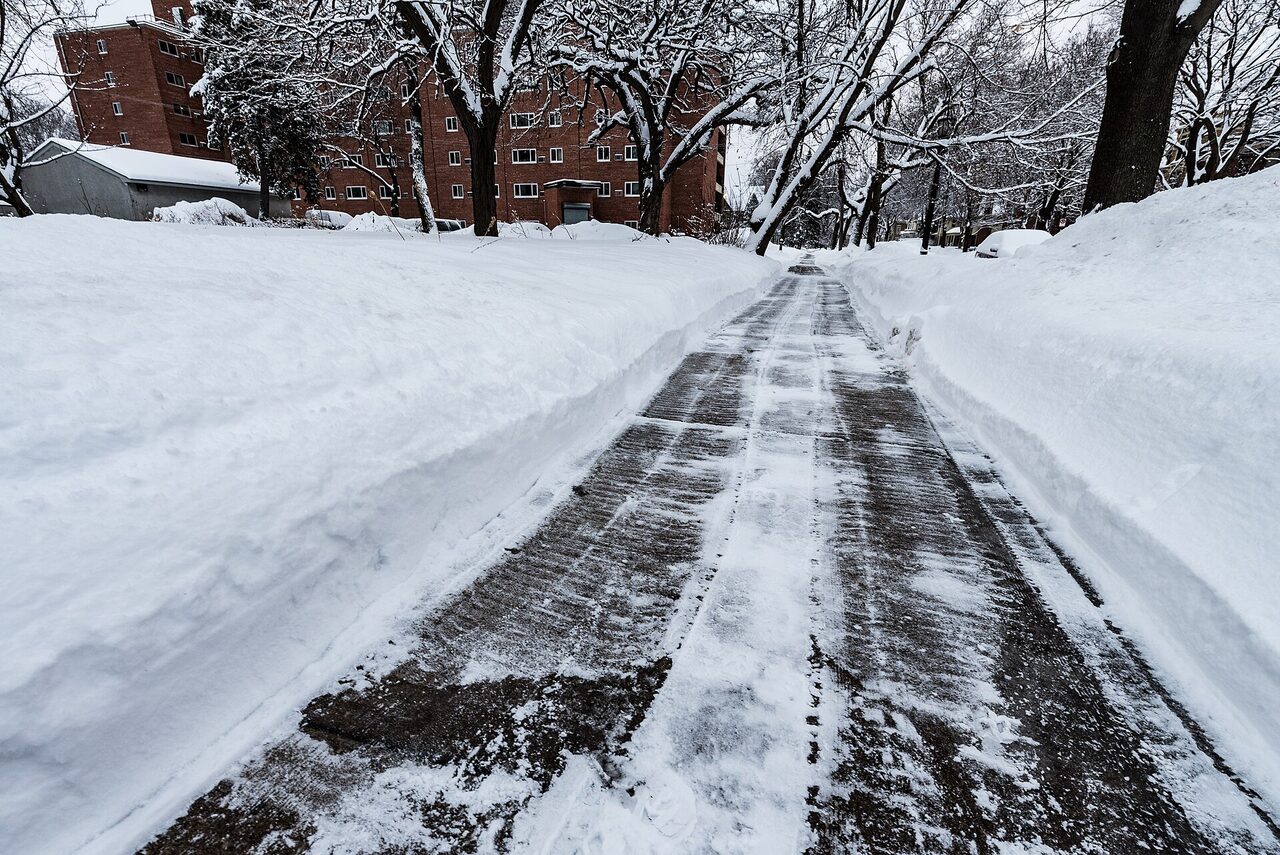
At a vacation rental, plan on the owner being responsible for clearing snow and ice from walks, steps and the driveway, either personally or through a contractor. Insurers expect reasonable care, which means clearing promptly after a storm, treating ice, keeping steps and lighting in good repair, warning guests and keeping dated records of all of it.
Of our six markets, Lake Anna, Virginia is the one most likely to see snow and ice, so this guide matters most there. This is general information, not legal or insurance advice; the rules differ by state and by policy, so confirm yours with your insurer and a local attorney.
Key takeaways
- At a short-term rental, plan on the owner being responsible for clearing walks, steps and the driveway. Guests are paying customers, not caretakers.
- Insurers look for reasonable care: Triple-I tells homeowners to keep sidewalks and entrances free of snow and ice, and Auto-Owners says to clear promptly after storms and keep steps, railings and lighting in good condition.
- Of our six markets, Lake Anna, Virginia is the one most likely to see snow and ice; a written plan with a contractor and a trigger matters most there.
- Warn guests before arrival and in the house manual, but a warning does not replace clearing and salting.
- Keep a dated log of every clearing, salting and inspection, with photos. It is what you and your insurer will rely on if someone falls.
- This is general information, not legal or insurance advice. Talk to your insurer and a local attorney.
In this guide
Who clears the snow at a rental
At a short-term rental, the job falls to the owner, because no one else has agreed to take it on.
A long-term lease can put some winter chores on the tenant. A guest who books four nights has no such agreement and no reason to own a shovel. They are paying for a ready home, and the walk to the front door is part of it. Insurers look at it the same way. Auto-Owners Insurance puts the starting point simply: "As a homeowner, you're expected to take reasonable care of your property." Negligence, it says, can mean the owner "knew, or should have known, about unsafe conditions like ice on the walkway."
The same article says homeowners get a reasonable amount of time to deal with snow or ice. That matters at a rental because a storm at 2am with guests asleep inside is different from ice that has sat on the steps for three days between bookings. What counts as reasonable is a question for your state's law and the facts of each case, which is why a local attorney is worth a short call before winter.
In practice, owners split the work three ways:
- Self-clearing. Works if you live nearby and can get to the home after a storm before guests need to leave or arrive.
- A snow contractor. A written agreement that names the areas (driveway, walks, steps, deck stairs), the trigger (for example, any accumulation or any ice), and how fast they respond.
- Your cleaner or caretaker. Common at small homes, but only if it is written into their scope and they have the equipment.
Why Lake Anna is the market to plan for
Lake Anna is the only one of our six markets where snow and ice at the house are a regular part of winter planning.
Sacramento, Roseville, Antioch, Houston and Kissimmee rarely see snow on the ground at a rental home. A hard frost or a rare freeze can still glaze a step or a deck in those cities, so the habits in this guide still apply, but they are an occasional precaution, not a seasonal routine.
Virginia is different. The NOAA-backed State Climate Summary for Virginia says "annual snowfall totals range from more than 45 inches in the Appalachian Mountains to less than 10 inches" along the coastal plain and parts of southern Virginia, and lists winter storms among the state's weather hazards. Lake Anna sits in the central part of the state, well away from either extreme. We do not put a number on what a given winter will bring there; the point is that an owner should plan for both snow and ice.
The National Weather Service explains why a thin layer is enough to matter: "Even small accumulations of ice can be extremely dangerous to motorists and pedestrians." It describes black ice as "patchy ice on roadways or other transportation surfaces that cannot easily be seen." At a lake house that means driveways on a slope, deck stairs, the path to the dock and a front walk shaded by trees.
Winter is also when a Lake Anna home hosts holiday reunions and anglers, as our Lake Anna in winter guide describes. More arrivals in cold months means more trips up and down those steps.
What insurers expect from owners
Insurers expect you to have done what a careful owner would do, and to be able to show it.
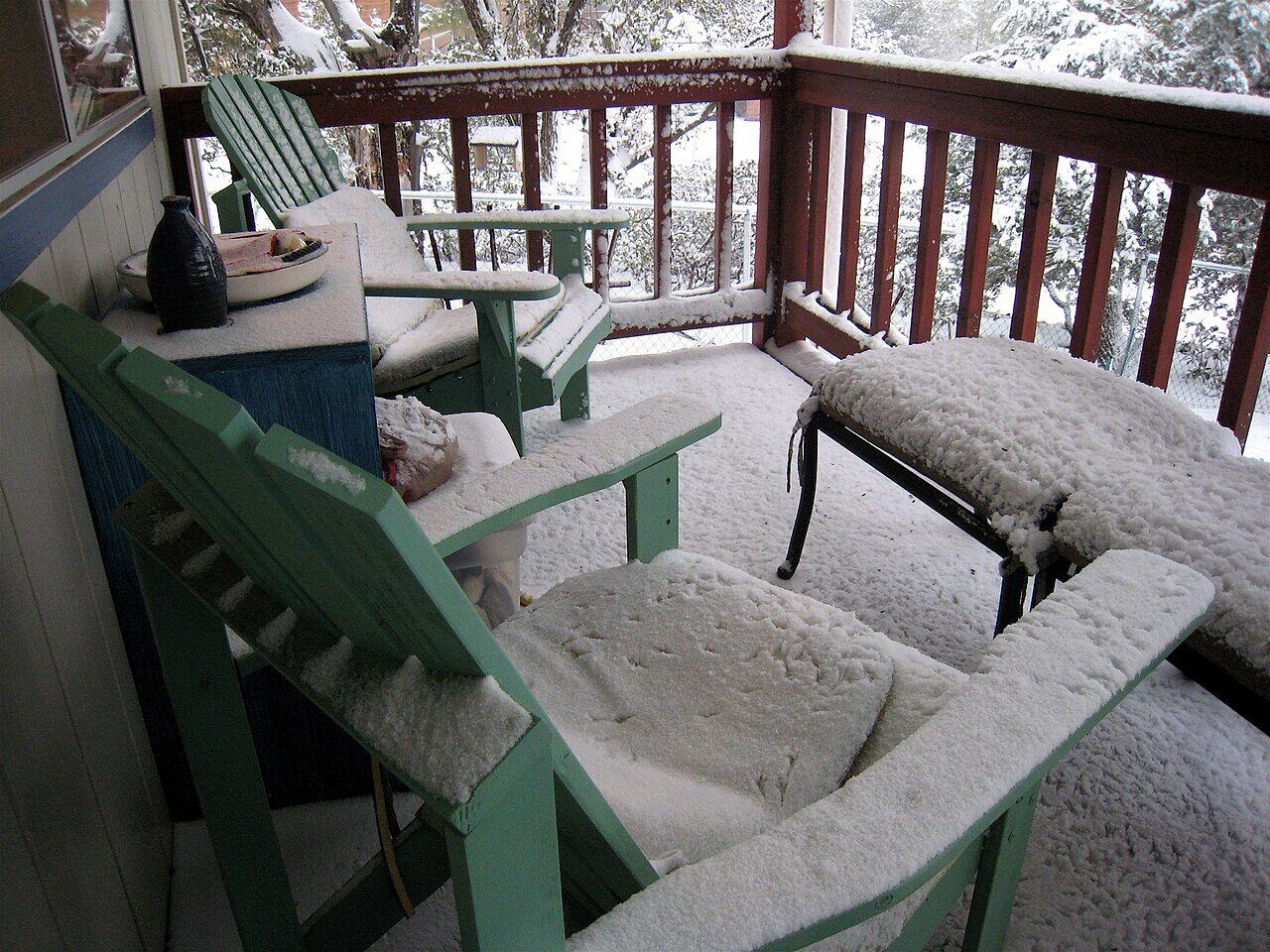
Triple-I's winter guide for homeowners says to "keep sidewalks and entrances to your home free from snow and ice," and notes that snow and severe cold "create liability risks." Auto-Owners lists the same habits in more detail:
- "Promptly clear snow and ice after storms."
- "Reapply salt when temperatures drop."
- "Use sand or ice melt rated for low temperatures."
- "Keep steps, railings and lighting in good condition."
On coverage, Auto-Owners says "most standard homeowners policies include personal liability coverage," which "may help cover expenses such as medical bills, pain and suffering, lost wages and legal defense costs if you're sued." It also describes medical payments coverage, which can pay for minor injuries on your property even if you are not found at fault.
The catch for a rental is the word "homeowners." A standard homeowners policy is often not built for paying guests, and our guide to short-term rental insurance explains why owners usually need a rental policy or endorsement. Platform programs help only within their limits. Airbnb's page says its host liability insurance "provides hosts with $1 million in coverage in the rare event you are found legally responsible" for "bodily injury to a guest (or others)," excludes intentional acts and adds that "other exclusions apply." It follows Airbnb bookings only, as our guide to host protection and liability explains. For a large home that hosts groups, an umbrella policy adds limits above the underlying coverage.
A snow and ice plan for the home
A written plan turns "reasonable care" into a routine someone can follow at 6am.
Walk the property with the plan in hand and list every surface a guest will use between the car and the door, and from the door to the deck, hot tub and dock. Then decide who treats each one and when.
| Area | Winter risk | What to do | What to record |
|---|---|---|---|
| Driveway and parking | Packed snow, refreeze overnight | Contractor or caretaker clears after each storm; treat slopes | Time cleared, by whom |
| Front walk and steps | Ice under thin snow, black ice | Clear to pavement, apply ice melt rated for low temperatures, reapply when it gets colder | Time treated, product used, photo |
| Handrails | Loose or missing rails | Check before winter; rails on every set of steps | Inspection date |
| Outdoor lighting | Dark paths on long evenings | Working fixtures on timers or sensors along every path | Bulbs checked, date |
| Gutters and downspouts | Meltwater dripping onto walks and refreezing | Clear gutters; point downspouts away from paths | Date cleaned |
| Deck stairs, path to dock or hot tub | Shaded, slow to thaw | Treat or close off when icy; tell guests which paths are in use | Notes in the guest message |
Triple-I also warns to "watch for ice dams near gutter downspouts," which cause water damage; the same downspouts can drain across a walk and freeze into a sheet by morning. Our guide to winterizing a vacation rental covers pipes, thermostats, the pool and the hot tub; this plan sits alongside it.
Timing around check-in and check-out. The two riskiest moments are arrivals and departures, when people carry luggage in the dark or in a rush. Schedule clearing so it is finished before check-in time and again before check-out on a stormy morning. If a storm is forecast, stock ice melt and a shovel inside the door the day before, so whoever arrives first has what they need.
Closing a path. If you cannot treat a path, close it and say so. A chain across deck stairs, plus a line in the pre-arrival message, is better than an open path you know is icy.
Warning guests the right way
Warnings help guests take care, but they do not replace clearing and treating the walks.
Tell guests three times: in the listing or house rules, in a pre-arrival message when cold weather is forecast, and in the house manual. Keep it short and specific:
- Which paths and steps are cleared and treated, and which are closed in icy weather.
- Where the extra ice melt and shovel are kept.
- That outdoor lights are on timers or sensors, and where the switches are.
- Who to call, day or night, if a walk needs attention.
- To stay off the frozen lake. The National Weather Service says you need "4 inches or more of ice" for walking, and to "stay off the ice if it is less than 2 inches thick!" Guests have no way to check that, so the simplest rule at a lake house is: no one walks on the ice.
Our guide to writing a house manual for a group rental shows where these notes fit. Keep the tone practical; you want a guest to text you about an icy step, not to feel scolded.
Records that matter if someone falls
The log you keep all winter is what you and your insurer will rely on if a guest is hurt.
Keep a simple dated record for each storm: when snow or ice started, when the property was cleared and treated, who did it, what product was used and a photo of the walk and steps afterward. Keep contractor invoices and texts. If your contractor logs visits in an app, save the export at the end of the season.
If someone does fall, make sure they get help first. Then, as Auto-Owners advises, "document the scene by taking photos, noting any witnesses and recording the weather conditions." Report the incident to your insurer promptly, follow their instructions and talk to them or an attorney before you discuss fault with anyone. Save messages with the guest, your contractor and anyone else involved. Our guide to damage claims covers how to keep evidence organized for a platform or insurer.
Records also help you before anything goes wrong. A season of logs shows you which paths refreeze, whether the contractor arrives on time and where a new light or railing would help.
Where a manager helps, and where it doesn't
A manager can run the winter routine and keep the records, but the liability and the insurance stay with the owner.
Both JekkyStay management packages include "Cleaning & Maintenance Coordination" and "24/7 Guest Communication," which covers the two jobs in this guide that need someone on call: arranging the snow contractor and cleaner, and telling guests what to expect. A manager does not replace your policy or take on your legal responsibility for the property, and a contract will usually say so.
If you live close to your rental and can reach it after every storm, you may not need help with this at all. A good contractor, a written plan and a log can be enough. Where a manager earns their fee is distance: an owner three hours away cannot check the steps at 6am. To talk through how we would run a winter rental in one of our markets, see our owner services.
The bottom line
At a vacation rental, assume snow and ice removal is the owner's job. Write a plan that names who clears the driveway, walks and steps, what triggers it and how fast. Treat ice with a product rated for low temperatures, reapply when it gets colder, and keep railings and lights in good repair. Warn guests before arrival and in the house manual, close paths you can't treat and tell everyone to stay off a frozen lake. Keep a dated log with photos. Confirm with your insurer that your policy covers guest injuries at a short-term rental. Of our six markets, Lake Anna is where this matters most. This is general information, not legal or insurance advice.
Frequently asked questions
Who is responsible for shoveling snow at a vacation rental?
Plan on it being the owner, or a contractor the owner hires. A short-term guest has no lease that makes them responsible for the property. Local rules, HOA rules and your insurance policy can add duties, so check them and put your plan in writing.
Can I ask guests to shovel the walk themselves?
You can leave a shovel and ice melt for guests who want them, but don't rely on guests to clear the main walk, steps and driveway. If someone falls on a path you never cleared, a note in the house manual is unlikely to help much. Have your own plan and treat the guest supplies as a backup.
Does Airbnb cover a guest who slips on ice?
Airbnb's host liability insurance lists $1 million in coverage for bodily injury to a guest or others when the host is found legally responsible, and says other exclusions apply. It only follows stays booked on Airbnb, so direct and other-channel bookings need your own short-term rental policy.
What does an insurer expect after a snowstorm?
Reasonable care. Auto-Owners says homeowners are expected to take reasonable care of their property and get a reasonable amount of time to deal with snow or ice, and advises clearing promptly after storms, reapplying salt when temperatures drop and keeping steps, railings and lighting in good condition.
What should I do if a guest falls at my rental?
Make sure the guest gets help first. Then document the scene: Auto-Owners advises taking photos, noting any witnesses and recording the weather conditions. Report it to your insurer promptly and talk to them, or an attorney, before discussing fault.
Does Lake Anna get snow?
Yes, some winters. Of our six markets it is the one most likely to see snow and ice. NOAA-backed state climate data shows Virginia snowfall ranging from more than 45 inches a year in the mountains to under 10 inches along the coast and parts of southern Virginia, with winter storms listed among the state's weather hazards.