Quick answer
An umbrella policy adds liability limits above your home, auto and rental policies, so a large claim does not reach your savings as quickly. For a rental owner, it only helps if it accepts the rental, and it works alongside, not instead of, the right base policy and a sound ownership structure.
This is general information, not legal or insurance advice. Talk to a licensed insurance agent and an attorney in your state before you change your coverage or how you hold title.
Key takeaways
- An umbrella policy adds liability limits above your home, auto and rental policies; Triple-I says it kicks in when you reach the limit on the underlying coverage.
- A personal umbrella usually covers business activities only if the policies beneath it do, so a home a personal policy excludes as a rental may be excluded from the umbrella too.
- Umbrellas do not pay for damage to your own home or vehicle, and the NAIC says they do not cover punitive damages.
- Holding a rental in a business entity can limit personal exposure in most cases, but the insurance names, the title and the umbrella all have to match.
- This is general information, not legal or insurance advice: talk to a licensed insurance agent and an attorney in your state.
In this guide
How an umbrella policy works
An umbrella is a second layer of liability coverage that pays after your primary policy reaches its limit.
Triple-I, the insurance industry's information institute, explains the mechanism: "An umbrella policy kicks in when you reach the limit on the underlying liability coverage." The NAIC, the association of state insurance regulators, says an umbrella "can also pay for liability and legal defense costs that exceed the amount your primary insurance policy will pay," and that umbrella policies "cover situations you are held responsible for, including bodily injury, property damage," or personal injury. The NAIC adds that "An umbrella policy may cover liability claims your primary policy does not cover."
On size, the Texas Department of Insurance says: "Umbrella policy coverage usually starts around $300,000 and pays up to at least $1 million." It lists examples such as serious car accidents, dog bites, injuries in your yard or pool and falls inside your home, and notes that umbrella policies "cover everyone in your household." Triple-I says an umbrella "will also cover you for additional types of claims, such as libel and slander."
Insurers set minimum limits on the policies beneath the umbrella. Triple-I says "most insurers will want you to have about $250,000 of liability insurance on your auto policy" and about "$300,000 of liability insurance on your homeowners policy." Your rental policy may need to meet a similar floor before a carrier will write the umbrella.
The rental catch: business use
The biggest risk for rental owners is not the size of the umbrella but whether it covers the rental at all.
A short-term rental is a business in the eyes of most insurers. The NAIC says: "Most homeowners or dwelling insurance policies are not designed to cover accidents arising from short-term rentals," and "Homeowners policies might not cover paying guests." Triple-I's page on renting out your home says "Standard homeowners insurance policies do not provide any coverage for business activities conducted in the home," and that for regular short-term rentals, "To be properly covered you would need to purchase a business policy."
That flows straight up to the umbrella. Triple-I's home business article says most personal umbrella policies attached to a homeowners or auto policy "will cover liability stemming from business activities and business property only if covered by the basic policies." In plain terms, if your base policy excludes the rental, your personal umbrella probably excludes it too.
The Delaware Department of Insurance gives two useful reminders for owners who buy a second home. It says an existing umbrella "should automatically extend to any new property you purchase or rent," but tells owners to confirm "there are no exclusions in the policy that might be triggered by the new property." For a vacation home you rent out, it says, "It may be wise to purchase additional liability, bodily injury and medical payment insurance."
Our guide to short-term rental insurance for owners covers choosing the base policy. This guide covers what sits above it.
What insurers commonly exclude
Every umbrella has exclusions, and the ones that matter most to rental owners are often in the policy wording, not the brochure.
The NAIC lists two exclusions plainly: "Umbrella policies will not pay for damage to your home or vehicle," and umbrellas do not cover "Punitive damages (e.g., drunk driving because a person consciously chooses to drink, knowing this could injure someone)." Airbnb's own host liability page, for comparison, excludes "Damage or injury resulting from something done intentionally." Ask whether your umbrella has a similar exclusion.
Beyond those, wording varies by carrier. Ask your agent directly about each item below, because these are the risks that come up most often at group rentals:
| Exposure | Why it matters at a rental | What to ask your agent |
|---|---|---|
| Rental or business use | The base policy may exclude paying guests | Is the rental named and accepted on the umbrella? |
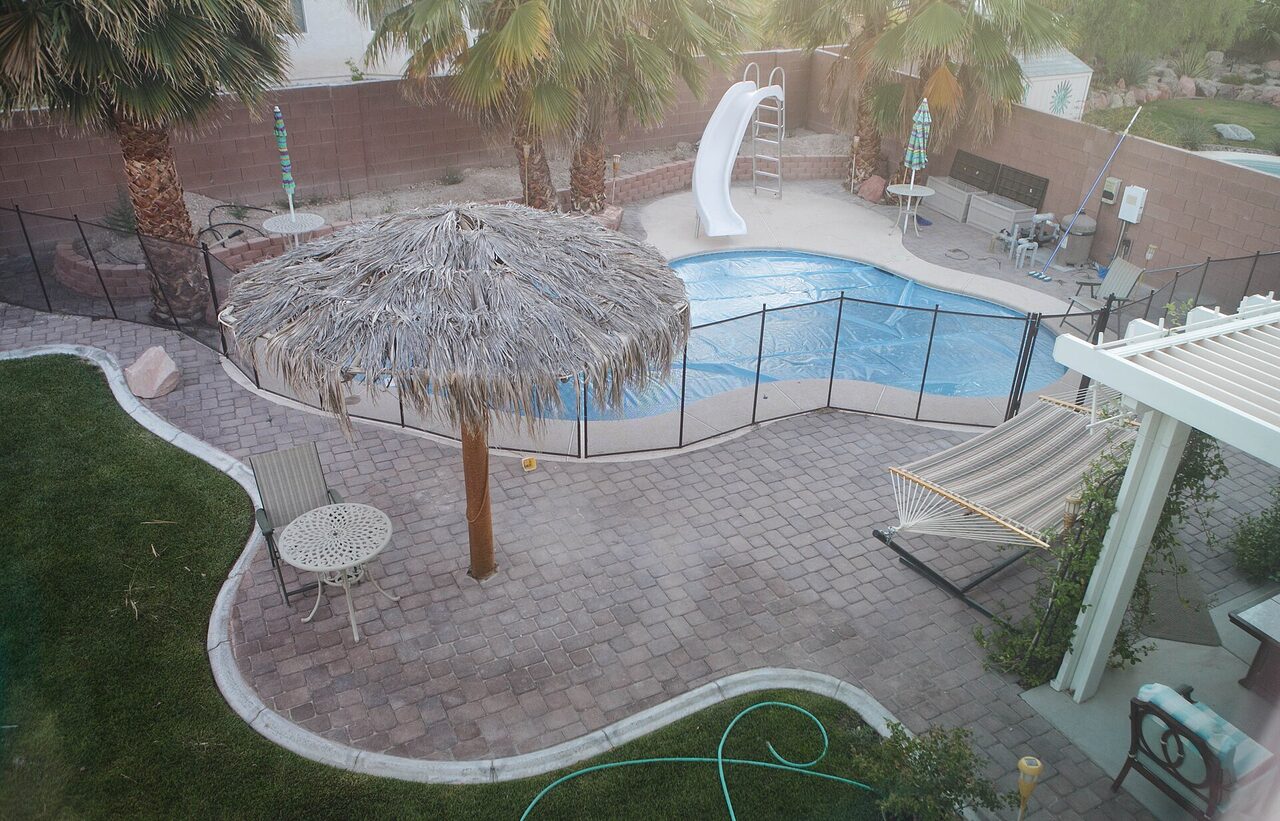
| Pools and hot tubs | Drowning and slip injuries are high-severity claims | Any pool, diving board or slide exclusion or condition? |
| Docks, boats and watercraft | Lake homes add water and boat risk | Are owned watercraft, kayaks or a dock covered? |
| Dogs | Some carriers limit dog bite coverage | Does it cover a pet-friendly rental and guests' dogs? |
| Liquor and events | Parties raise injury and host liquor risk | Any exclusion for events or alcohol served by you? |
| Property held by an entity | A personal umbrella may cover only you | Does it cover the entity that holds title? |
| Contracts you sign | Liability you accept by contract may fall outside | Does it cover liability you take on in a management or vendor contract? |
| Damage to your own home | Not covered by an umbrella | Is the dwelling covered by the base policy? |
Our guides to pool and hot tub liability and vacation rental liability and host protection go deeper on water risks and on what Airbnb's programs do and do not cover.
How ownership structure changes your risk
How you hold the home decides whose assets a claim can reach. Insurance decides who pays first; structure decides what is at stake if insurance runs out.
The U.S. Small Business Administration's guide to business structures sets out the basics. For a sole proprietorship, it says: "You can be held personally liable for the debts and obligations of the business." For a limited liability company, it says these entities "protect you from personal liability in most instances." It says "Corporations offer the strongest protection to its owners from personal liability," and that a general partnership carries "Unlimited personal liability unless structured as a limited partnership."
For rental owners, that maps to a few common choices:
| How the home is held | Who a claim can reach | Points to raise with an attorney |
|---|---|---|
| In your own name | You personally, beyond insurance | Simplest; your other assets are exposed above your limits |
| Joint names with a spouse or partner | Both owners | How your state treats jointly held property and creditors |
| A limited liability company | Mostly the entity and its assets, in most instances | Formation, operating agreement, separate accounts, lender consent |
| A partnership with friends or family | General partners personally | Whether a limited structure fits better |
| A trust | Depends on the trust type | Many trusts are for estate planning and give little liability protection |
A few practical points owners often miss:
- The entity still needs insurance. A structure that protects your personal assets still leaves the home and the entity's cash exposed. The entity should be the named insured on the rental policy.
- Names have to match. If title is held by an entity but the rental policy and umbrella are in your personal name, the insurer may dispute who is covered. Ask your agent to match the named insureds to the title.
- A personal umbrella may not reach the entity. Ask whether you need the entity added, or a separate commercial umbrella.
- Your mortgage may care. Moving title from your name to an entity can matter under your loan terms. Ask your lender and attorney before you transfer.
- Separation has to be real. Ask your attorney what you need to do to keep the entity's protection, such as separate bank accounts and signing contracts in the entity's name.
If you own the home with others, our guide to co-owning a vacation rental with partners covers title options, agreements and exits.
Asset protection beyond insurance
Insurance and structure do most of the work, but the daily operation decides how often you need either.
Many injury claims start with a physical hazard or a rule nobody enforced. The habits that reduce that risk are plain ones:
- Fix hazards before guests find them. Loose railings, uneven steps, missing pool barriers and dim exterior lighting are the kind of hazards that lead to injury claims.
- Set and enforce house rules. Maximum occupancy, no parties, quiet hours and pool rules, stated in the listing and the house guide.
- Screen guests for the home. A 16-guest home invites larger events; ask the purpose of the trip.
- Keep records. Inspection notes, repair invoices and guest messages help your insurer defend a claim.
- Check your manager's coverage. If someone else runs the home, ask for proof of their general liability and errors and omissions coverage, and ask to be named as an additional insured. Our guide to management contract red flags covers the liability clauses to read.
If you are deciding who will run the home day to day, our guide to co-hosting vs full-service management explains who carries the risk under each model.
Questions to take to your agent and attorney
Bring a short, specific list. You will get better answers and a clearer quote.
For your insurance agent or broker:
- Is my base rental policy written for short-term rentals to paying guests?
- What liability limit does the umbrella require on the base policy, and do I meet it?
- Is the rental home named on the umbrella, and does the umbrella accept rental use in writing?
- Which exclusions apply to pools, hot tubs, docks, watercraft, dogs and events?
- If an entity holds title, who is the named insured on each policy?
- What limit would you suggest for a home this size, and what does each step up cost?
For your attorney:
- Does my state's law make an entity a sensible way to hold this home?
- How should I transfer title, and does my lender need to consent?
- What do I need to do to keep the entity's protection in place?
- How should I sign contracts with managers, cleaners and vendors?
A CPA can explain how a change in structure affects your taxes. This guide does not cover tax.
How JekkyStay fits in
A management company does not replace your insurance or your attorney, but it does run the daily habits that keep claims rare. We manage large homes built for groups, and our owners page explains what we handle: pricing, guest screening, cleaning and upkeep, with fees tied to how the home performs and no long-term contract.
Our pricing page lists two packages, the Essential Management Package and the Premium Management Package with JekkyAI, both with 24/7 guest communication and cleaning and maintenance coordination. Your policies and your title stay yours to set up with your agent and attorney. If you want to talk through how we would run your home, get a quote.
The bottom line
An umbrella policy adds a second layer of liability coverage above your base policies, and the Texas Department of Insurance says coverage usually runs from around $300,000 to at least $1 million. For rental owners, the catch is business use: a personal umbrella usually covers the rental only if the base policy does, so confirm it in writing.
Ownership structure decides what a claim can reach once insurance runs out. The SBA says a limited liability company protects owners from personal liability in most instances, but the entity still needs insurance, and the names on the deed and the policies have to match.
This is general information, not legal or insurance advice. Talk to a licensed insurance agent and an attorney in your state before you buy coverage or change how you hold title.
Frequently asked questions
Do I need an umbrella policy if I own a vacation rental?
Many rental owners carry one, because a single serious injury claim at a busy home can exceed a base policy's liability limit. Whether you need one, and how much, depends on your assets, your home's risks and your base policies. A licensed agent can quote it for you.
Does a personal umbrella cover a short-term rental?
Only if the policy accepts it. Triple-I says most personal umbrella policies cover liability from business activities and business property only if the basic policies cover them. If your base policy excludes the rental, ask your agent whether the umbrella does too.
How much umbrella coverage can I buy?
The Texas Department of Insurance says umbrella coverage usually starts around $300,000 and pays up to at least $1 million. Your agent can tell you what each carrier offers for a rental.
What does an umbrella policy not cover?
The NAIC says umbrella policies will not pay for damage to your home or vehicle and do not cover punitive damages. Each policy also has its own list of exclusions. Read the exclusions section of your actual policy.
Does putting my rental in a limited liability company replace insurance?
No. The SBA says a limited liability company protects owners from personal liability in most instances, but the entity's own assets, including the home, can still be at risk, and the entity still needs insurance in its own name. Ask an attorney how your state treats it.
Who should I talk to about asset protection for a rental?
A licensed insurance agent or broker for coverage, and an attorney licensed in your state for ownership structure and title. A CPA can explain the tax side. This guide is general information, not legal or insurance advice.
Sources
- Triple-I: What is an umbrella liability policy?
- Triple-I: Insuring your home business
- Triple-I: Coverage for renting out your home
- NAIC: What's an umbrella policy?
- NAIC: Renting out your home? You need insurance coverage
- Texas Department of Insurance: Umbrella policies
- Delaware Department of Insurance: Property insurance alerts
- Airbnb Help: Host liability insurance
- U.S. Small Business Administration: Choose a business structure