Quick answer
A vacation rental reserve should cover the replacements you know are coming, sized from the home itself: for each big item, divide its replacement cost by the years it has left and set that amount aside every month. Then keep a separate cash cushion for the failure you did not plan for.
This is general information, not tax or financial advice. Talk to a CPA about how replacements are treated on your return.
Key takeaways
- Size a reserve from the home itself: list each big item, its replacement cost and its expected life, and set aside cost divided by years left, every month.
- InterNACHI's life expectancy chart puts central air conditioners at 7 to 15 years, 3-tab asphalt shingles at 20 years and carpet at 8 to 10 years, assuming normal wear.
- A rental, and a group home most of all, sees more use than a family home, so plan on the short end of each range.
- Keep a separate cash cushion for surprises, such as a failed compressor in peak season, on top of the planned replacements.
- IRS recovery periods (27.5 years for the building, 5 years for furniture and appliances) are tax rules, not a forecast of when things wear out.
In this guide
Why rentals need a reserve
A reserve turns large, lumpy replacement bills into a steady monthly cost. Without one, a rental that looks profitable on paper can hand you a five-figure bill in the same month a slow season hits.
Owners usually plan for the running costs: cleaning, supplies, utilities, platform fees and management. Our guide to costs owners miss in year one covers those. What gets missed is the slow wear on the big items. A roof, an air conditioner or a set of sofas does not show up on a monthly statement until the day it needs replacing.
A reserve also protects your bookings. When an air conditioner fails in July, an owner with cash on hand books the repair that day. An owner without it shops for financing while guests cancel and leave reviews about a hot house.
How long the big items last
Most big items have a known life range, and a rental should plan for the short end. The figures below come from InterNACHI's Standard Estimated Life Expectancy Chart for Homes, opened today.
| Item | InterNACHI estimated life |
|---|---|
| Central air conditioner | 7 to 15 years |
| AC condenser | 8 to 20 years |
| Heat pump | 10 to 15 years |
| Furnace | 15 to 25 years |
| Water heater, conventional tank | 6 to 12 years |
| Water heater, on-demand | 10 years |
| Roof, 3-tab asphalt shingles | 20 years |
| Roof, architectural asphalt | 30 years |
| Carpet | 8 to 10 years |
| Interior paint | 10 to 15 years |
| Exterior paint | 7 to 10 years |
| Refrigerator | 9 to 13 years |
| Dishwasher | 9 years |
| Washing machine | 5 to 15 years |
| Clothes dryer | 13 years |
| Microwave | 9 years |
| Pool filter and pump | 10 years |
| Pool water heater | 8 years |
| Smoke and heat detectors | Less than 10 years |
InterNACHI says these estimates assume regular maintenance and normal wear and tear, not neglect, overuse or extreme weather, and that they are "guidelines only." A rental is not normal use. A family of four does not run a dishwasher twice a day, every day, for months. A group of fourteen might.
HVAC and the roof: the two biggest bills
The HVAC system and the roof are usually the two largest planned replacements, so start the reserve with them. Both are expensive, both are urgent when they fail, and both have long enough lives that owners forget about them.
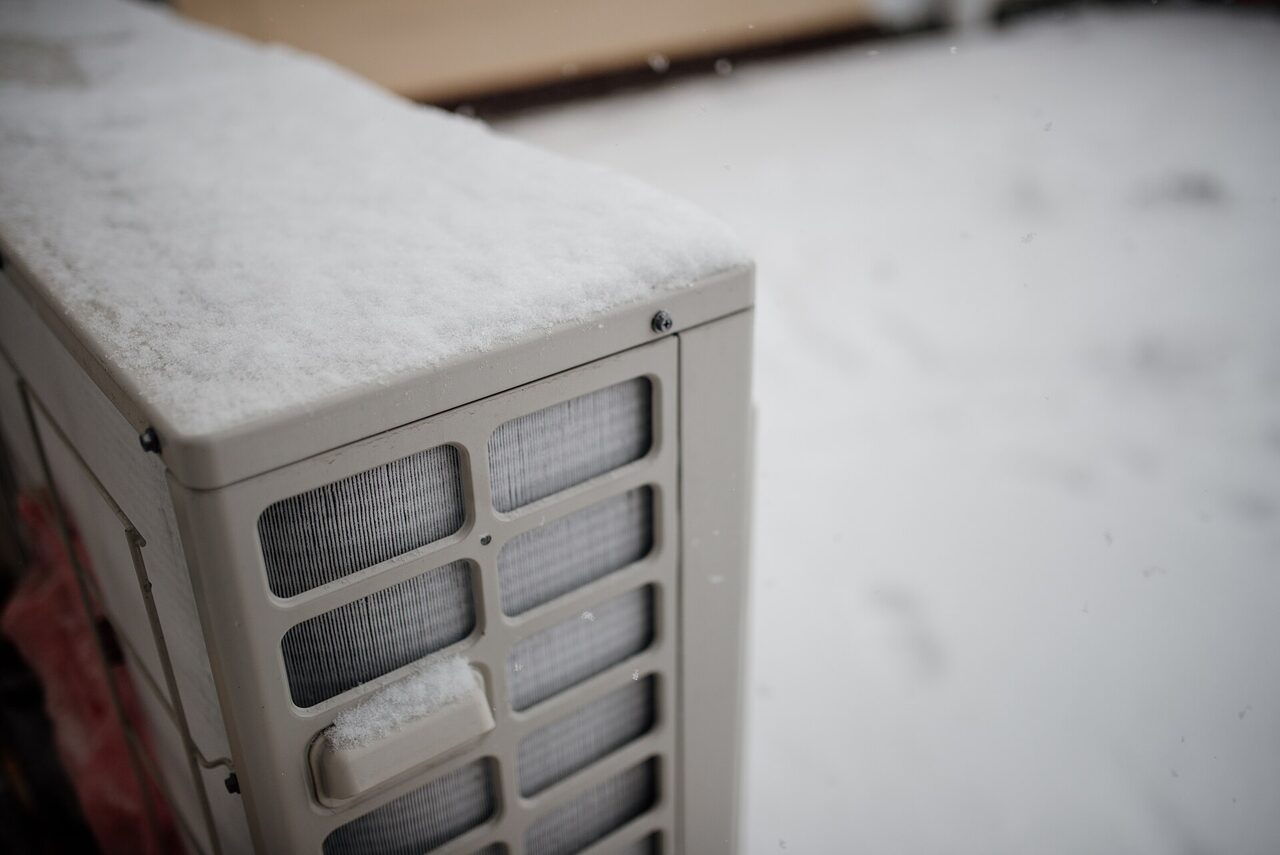
HVAC. InterNACHI lists central air conditioners at 7 to 15 years and furnaces at 15 to 25. In a hot market where the AC runs most of the year, and guests set it low, expect the short end. A large home may have two or three systems, each with its own clock. Write down the install date on each unit's label, and get a quote now for a like-for-like replacement so the reserve has a real number behind it.
A failed AC is also a guest problem. The Stay Promise we give guests who book directly with us names it: "If the home isn't as described, or something important stops working, such as the air conditioning or heat, hot water, Wi-Fi or the pool, tell us. If we can't fix it within 24 hours, we refund the nights affected or move your group to a similar home." A promise like that only works with cash ready to fix the problem the same day.
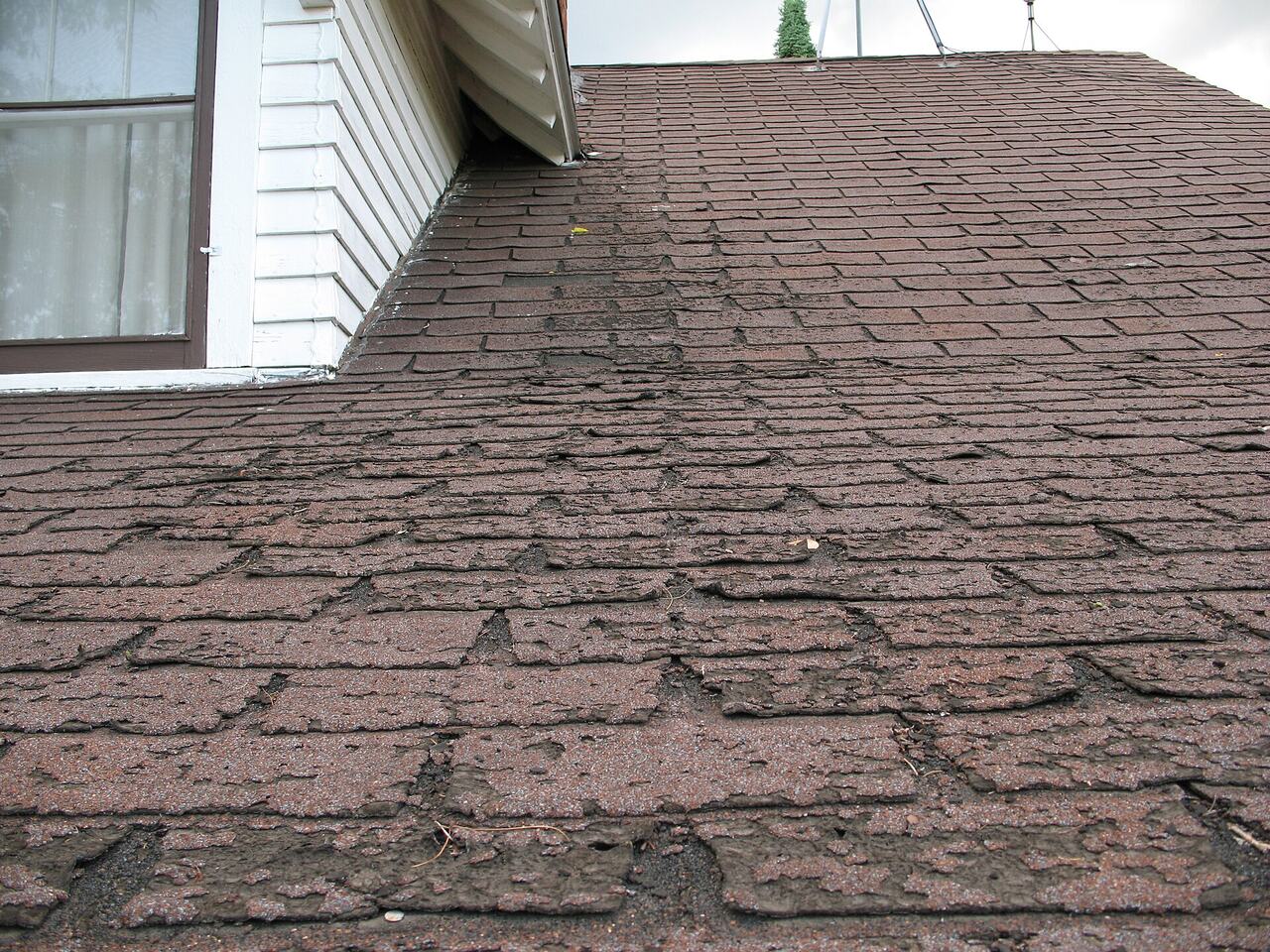
Roof. The chart puts 3-tab asphalt shingles at 20 years and architectural shingles at 30. If you bought a home with an older roof, the inspection report should say roughly how much life is left. A roof with five years left needs a much larger monthly set-aside than one with twenty.
IRS Publication 527 lists a new roof as an example of an improvement, which is capitalized and depreciated rather than deducted as a repair in the year you pay for it. That matters for cash flow: the full cost leaves your account at once, while the tax deduction is spread over many years.
Furniture, linens and the things guests touch
Furnishings wear fastest in a rental, so give them their own line in the reserve. Unlike the roof, there is no public life chart for a sofa in a vacation rental. Use your own records and your cleaner's reports.
What tends to wear first in a group home:
- Linens and towels. They go through a wash after every stay. Stains, fraying and thinning decide when they go, not the calendar. Many owners keep several full sets per bed so each set gets fewer washes.
- Mattresses and mattress protectors. Protectors are cheap and extend mattress life. Budget for both.
- Sofas, dining chairs and bar stools. These take the most weight and the most moves. A sectional that seats ten gets used by ten.
- Kitchen gear. Pans, knives, small appliances and dishes chip, warp and break.
- Outdoor furniture, grills and games. Sun, rain and pool chemicals shorten their lives.
IRS Publication 527 gives furniture, appliances and carpets used in residential rental property a 5-year recovery period, and the building itself 27.5 years. Those are depreciation schedules for tax, not a forecast of when things wear out. A dryer may last longer than five years; a dining chair in a busy group home may not.
For smaller recurring items such as soap, paper goods and coffee, see our guide to restocking costs for a group rental. Those belong in the operating budget, not the capital reserve.
Work out your reserve: a labeled Example
Build the reserve item by item: cost divided by remaining life, added up. The numbers below are invented to show the method. Use quotes for your own home and your own records of each item's age.
| Item | Example replacement cost | Example years left | Example set-aside per year |
|---|---|---|---|
| Two AC systems | $16,000 | 8 | $2,000 |
| Roof | $18,000 | 12 | $1,500 |
| Water heater | $2,400 | 4 | $600 |
| Kitchen appliances and laundry | $9,000 | 6 | $1,500 |
| Living and dining furniture | $12,000 | 5 | $2,400 |
| Mattresses | $6,000 | 6 | $1,000 |
| Linens and towels | $3,000 | 2 | $1,500 |
| Interior paint and touch-ups | $6,000 | 5 | $1,200 |
| Total | $11,700 a year |
In this Example, the owner sets aside about $975 a month for planned replacements. On top of that, they keep a cash cushion for surprises, such as a compressor that fails years early or a burst pipe below the insurance deductible. Some owners set the cushion at their insurance deductible plus one month of the home's fixed costs. Whatever you choose, write it down and do not spend it on upgrades.
Three things make the method work:
- Real quotes. Ask a local HVAC company and roofer what a like-for-like replacement costs today. Update the numbers every year.
- Honest ages. Read the labels and the inspection report. An item halfway through its life needs half the time to save the full amount.
- Rental adjustments. Where the chart gives a range, start at the short end for a busy rental.
Why group homes need more
A home that sleeps twelve or more has more of everything and uses it harder, so its reserve should be larger than a smaller rental's. That is a matter of arithmetic, not a statistic: more beds, more bathrooms and more people per stay mean more items to replace and more wear on each.
Where the difference shows up:
- More systems. Large homes often have two HVAC systems, two water heaters and more bathrooms with fixtures, fans and seals.
- Heavier daily load. A group cooks big meals, runs the dishwasher and washer more often and spends long evenings on the sofas.
- Shared spaces take the wear. Stairs, entry floors, dining chairs and the main living room see every guest on every stay.
- Amenities. Pools, hot tubs and game rooms add equipment with their own lives. InterNACHI lists a pool filter and pump at 10 years and a pool water heater at 8. Our guide to hot tub maintenance costs covers that equipment.
- Higher stakes on failure. When one AC system fails, a large group feels it fast, and a refund or move covers many people.
Good routine care stretches the reserve. A maintenance plan with filter changes, coil cleaning and gutter checks keeps items toward the long end of their range. See our year-round maintenance calendar for what to do each season.
Mistakes that drain a reserve
Most reserves fail because the money gets spent on something else, not because the math was wrong. These are the patterns to avoid.
- Using the reserve for upgrades. A new hot tub or a game room may earn more, but it is an investment decision with its own budget. Spending the reserve on it leaves the roof unfunded.
- Counting on a credit card or a home equity line. Credit can disappear or get expensive exactly when you need it. A line of credit is a backup to the reserve, not a replacement for it.
- Ignoring the age of what you bought. When you buy a home that is already furnished, every item came with a past. A ten-year-old AC system bought last month is still a ten-year-old system.
- Replacing one item at a time when a set is better. Matching linens, mattresses and dining chairs look better in listing photos. Buying a full set at once can cost more on the day but keeps the home consistent, so plan for it.
- Forgetting the downtime. A roof or flooring job can block the calendar for days or weeks. Schedule big work in the slow season, and count the lost nights as part of the cost.
- Never updating the numbers. Replacement prices change. Review the list once a year, after the busy season, and reset the monthly amount.
Where management fits
A manager can track the reserve, but the money and the decisions stay yours. If someone runs your rental, ask three questions: does it hold back a reserve from payouts, how much, and does each statement show the balance? Also ask above what amount it needs your approval to replace something.
Our owners page describes what we handle, including repairs coordinated with local vendors and preventive checks, and our pricing page lists the Essential and Premium packages with the services in each. If you are weighing whether to self-manage, our guide to the true cost of self-hosting lays out the trade-offs honestly, including where hiring a manager is not worth it.
The bottom line
Size your reserve from your own home: list every big item, get a real replacement cost, estimate the years left using a named source such as InterNACHI's chart, and save cost divided by years each month. Plan at the short end of each range for a rental, larger still for a group home, and keep a separate cushion for surprises. This is general information, not tax or financial advice.
Frequently asked questions
How much should I keep in reserve for a vacation rental?
There is no single right number. Build it from your home: list the roof, HVAC, water heater, appliances, flooring, furniture and linens, estimate each replacement cost and remaining life, and save cost divided by years left. Add a cash cushion for surprises. A large group home needs more than a small condo.
How long does an HVAC system last in a rental?
InterNACHI's chart lists central air conditioners at 7 to 15 years, condensers at 8 to 20, heat pumps at 10 to 15 and furnaces at 15 to 25 years, assuming regular maintenance and normal use. A rental running hard in a hot climate is more likely to land at the short end.
How often do vacation rental linens need replacing?
No public chart sets a life for rental linens because it depends on fabric, washing and how many stays they see. Track how long sheets and towels last in your home and set the reserve from that. Many group homes buy several full sets per bed so each set wears more slowly.
Is a new roof a repair or an improvement for taxes?
IRS Publication 527 lists a new roof as an example of an improvement, which is capitalized and depreciated rather than deducted as a repair. This is general information, not tax advice; ask a CPA how it applies to you.
Why do group homes need bigger reserves?
More guests per stay means more loads of laundry, more cooking, more showers and more people on the sofas and stairs. Group homes also tend to have more of everything: more beds, more bathrooms, sometimes two HVAC systems. More items and harder use mean bigger and earlier replacements.
Where should I keep the reserve?
Many owners use a separate savings account so the money is not spent on day-to-day costs. If a manager runs the home, ask whether it holds a reserve from your payouts, how much, and whether you can see the balance on each statement.