Quick answer
A vacation rental maintenance calendar books the HVAC cooling checkup in spring and the heating checkup in fall, checks filters, pool water and smoke alarms every month, and schedules pest prevention and deep work for each season's quiet weeks. Done that way, repairs happen between guests instead of during a full booking.
Key takeaways
- Book the cooling checkup in spring and the heating checkup in fall, before contractors get busy, as ENERGY STAR advises.
- Inspect HVAC filters monthly and change them when dirty; a full house of guests loads filters faster than a family home.
- Test smoke alarms monthly, replace replaceable batteries at least once a year, and replace the alarm every 10 years, per the U.S. Fire Administration.
- Test pool water on every turnover and more often in peak season; CDC's public pool guidance sets a free chlorine minimum of 1 ppm and pH of 7.0 to 7.8.
- Use prevention first for pests: seal gaps, fix leaks and monitor, and treat only when a threshold is reached.
In this guide
Why a rental needs its own calendar
A vacation rental wears faster than a family home, and its breakdowns cost more. Fifteen guests run the air conditioning, showers, dishwasher and washer harder in a week than a family of four does in a month. When something fails during a stay, you pay for the emergency call, and often a refund or a bad review as well.
A calendar turns that into planned work. The idea is simple: put each task in the season when it is cheapest and least disruptive to do, and tie the small recurring checks to the turnover, when someone is already in the house.
Guests notice this more than owners expect. Our own Stay Promise for direct bookings reads: "If the home isn't as described, or something important stops working, such as the air conditioning or heat, hot water, Wi-Fi or the pool, tell us. If we can't fix it within 24 hours, we refund the nights affected or move your group to a similar home." The systems named in that promise are the ones this calendar keeps running.
The calendar at a glance
Here is the whole year on one page; adjust the months for your climate and your busy season.
| When | HVAC | Pool and outdoors | Pests | Safety and systems |
|---|---|---|---|---|
| Every turnover | Check filter; check thermostat settings | Test water; skim and empty baskets | Look for droppings, ants and webs | Spot-check alarms; report leaks |
| Monthly | Inspect, clean or change filters | Check equipment, pump and cover | Walk the exterior; check traps | Test smoke alarms |
| Spring | Cooling checkup | Open or prepare the pool for peak season | Seal gaps before insects peak | Clean dryer lint path; check outdoor furniture |
| Summer | Keep condenser clear of debris | Test more often in heavy use | Watch for wasps and ants | Check irrigation and hoses |
| Fall | Heating checkup | Clean gutters; close or winterize the pool if needed | Seal entry points before rodents move in | Replace replaceable alarm batteries |
| Winter | Check heat at every turnover | Protect pipes and outdoor taps from freezing | Check attic, garage and crawl space | Deep clean; plan upgrades |
Every turnover and every month
The recurring checks are what keep small problems small. Most take a minute each if they are on the cleaner's checklist.
At every turnover:
- Look at the HVAC filter. ENERGY STAR advises inspecting, cleaning or changing filters once a month. A home that sleeps 12 to 16 guests can load a filter faster than that, so have the crew glance at it each time and replace it when it looks dirty. Keep a stack of the right size on site.
- Reset the thermostat to your standard settings, and note if the system ran constantly or the house was slow to cool.
- Test the pool water and skim it. Note the readings in a shared log.
- Look for leaks under sinks, around toilets and below the water heater.
- Walk the home for pest signs: droppings in the pantry, ant trails, webs in corners.
Once a month:
- Test every smoke alarm. The U.S. Fire Administration says to test alarms monthly, whatever type they are.
- Inspect the pool equipment: pump, filter pressure, cover and any automatic chlorinator.
- Walk the outside of the house for torn screens, gaps at doors and utility lines, standing water and overgrown plants touching the walls.
Our vacation rental turnover checklist shows how to fit these into the cleaning order without slowing the crew.
Spring: get ready for cooling and peak season
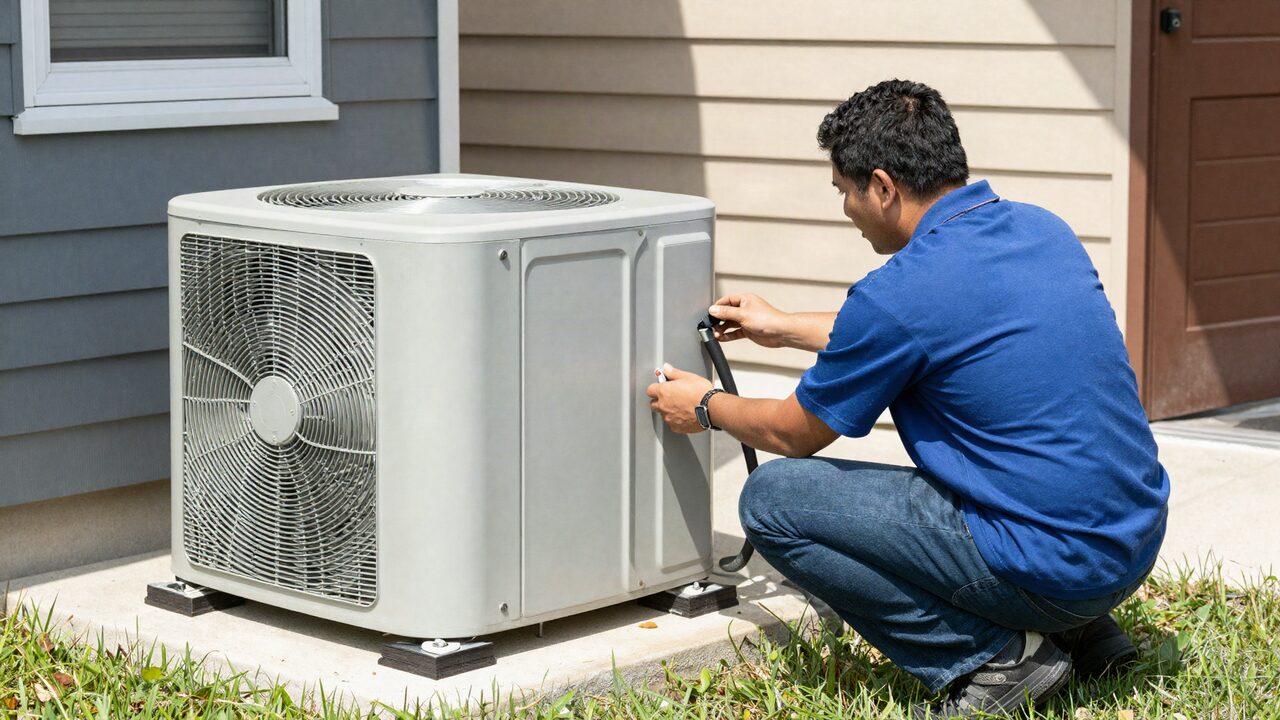
Spring is when you book the cooling checkup and prepare the outdoor spaces guests will use most. ENERGY STAR recommends checking cooling systems in spring and heating systems in fall, because contractors are busiest once summer and winter arrive. It suggests linking the visits to the daylight saving time changes so they are easy to remember.
On a cooling visit, ENERGY STAR lists what a contractor should check: thermostat settings, electrical connections and motor readings, lubrication of moving parts, the condensate drain, evaporator and condenser coils, the refrigerant level and the blower components that affect airflow.
The rest of the spring list:
- Pool: open it or bring it up to peak-season condition. Clean the filter, check the pump and have the pool service confirm the equipment is ready for heavy use.
- Pests: seal gaps around doors, windows and pipes before insects peak. EPA describes prevention as "a first line of pest control."
- Outdoors: clean and repair patio furniture, grills and string lights; check the irrigation.
- Laundry: clean the dryer's lint path and vent, which matters in a rental that runs loads of sheets and towels every turnover.
Summer: protect the busy season
Summer is about keeping things running under the heaviest load of the year, so the calendar shifts from projects to monitoring.
Pool water is the biggest summer job. CDC's guidance for public pools sets a minimum free chlorine level of 1 part per million and a pH of 7.0 to 7.8, and says to test pH and disinfectant levels at least twice a day, and hourly in heavy use. A private rental pool may fall under different local rules, so confirm with your county health department, but CDC's numbers are a useful reference. In practice, test at every turnover, have a pool service visit on a fixed schedule, and leave a simple test kit in the pool equipment area so the cleaner can check between visits.
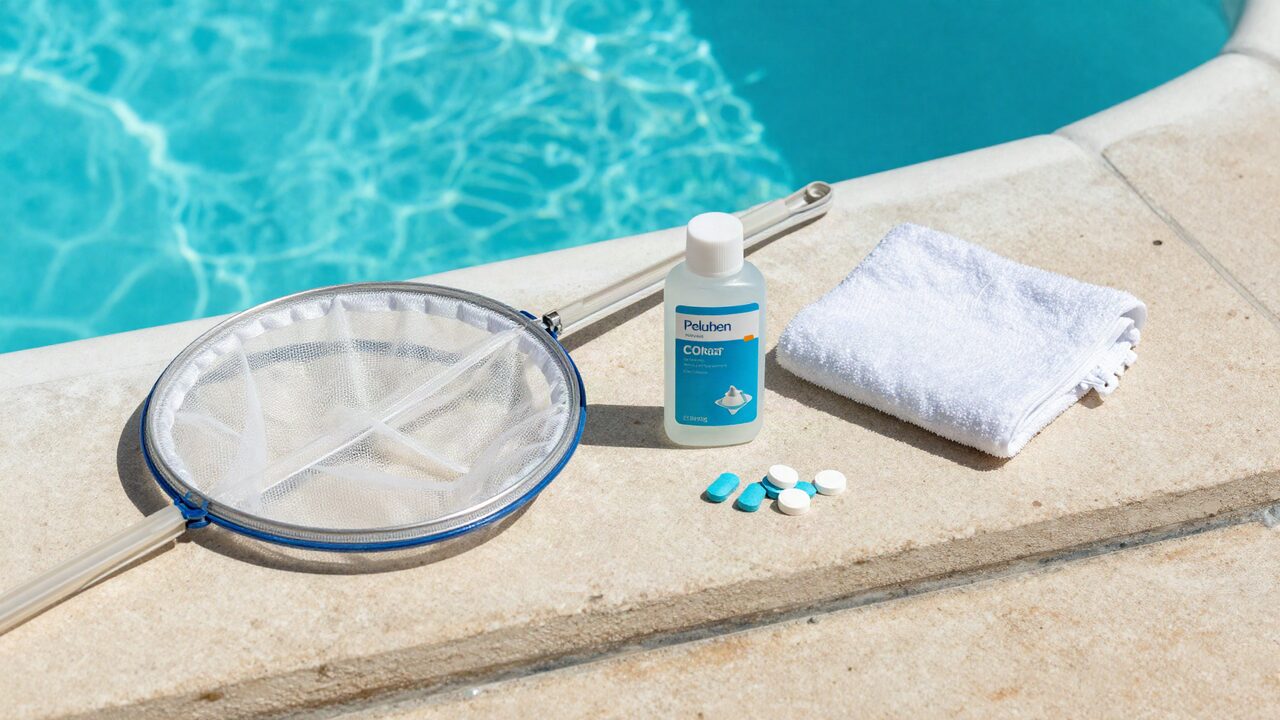
HVAC: keep the outdoor condenser clear of leaves, grass clippings and plants, and check the filter more often. If the house struggles to cool on the hottest days, call the contractor before the next group arrives, not after.
Pests: watch for wasp nests under eaves and around outdoor seating, and ant trails in the kitchen. Treat targeted problems quickly; a nest by the back door is a safety issue, not a cosmetic one.
Fall: heating, gutters and sealing up
Fall is the second HVAC season and the time to close the house against weather and rodents. Book the heating checkup before the first cold week. ENERGY STAR lists what a heating visit should cover: gas or oil connections, gas pressure, burner combustion and the heat exchanger, which should be checked for damage or dirt buildup, plus the same thermostat, electrical and drain checks as the spring visit.
The rest of the fall list:
- Smoke alarm batteries. The U.S. Fire Administration says to replace 9-volt and hardwired backup batteries at least once a year, and to replace the entire alarm every 10 years. Alarms with sealed 10-year lithium batteries are replaced as the manufacturer instructs. Write the install date inside each alarm's cover.
- Gutters and drains: clear them after leaves fall so the first heavy rain doesn't back up.
- Pool: in cold climates, close or winterize the pool as your pool service advises. In warm markets, keep the summer routine with fewer visits.
- Pests: seal entry points around the garage, attic vents and utility lines before rodents look for warm shelter.
Winter: deep work in the quiet weeks
Winter is the season for projects, because most markets have their slowest weeks between the holidays and spring. Use them for the jobs that need the house empty for a day or two:
- Deep clean carpets, upholstery, ovens and range hoods.
- Touch up paint and fix the small damage noted in turnover photos.
- Service appliances and check the water heater as the manufacturer recommends.
- Check the attic, garage and crawl space for leaks and pests.
- Protect outdoor taps and exposed pipes where freezing is possible, and check the heat at every turnover.
- Review the year's maintenance log and budget for next year's replacements.
Our guide to vacation rental off-season strategy covers how to plan these blocks without giving up too many bookable nights.
Who does the work
The calendar only works if someone owns it. Most owners split the work three ways: the cleaning crew handles the turnover checks, a pool service and an HVAC contractor handle their own systems on a schedule, and a handyman covers everything else.
| Task | Usually done by | How often |
|---|---|---|
| Filter check, pool test, leak and pest spot-check | Cleaning crew | Every turnover |
| Smoke alarm test | Cleaning crew or owner | Monthly |
| Pool chemistry and equipment | Pool service | On a fixed weekly or seasonal schedule |
| Cooling and heating checkups | HVAC contractor | Spring and fall |
| Pest prevention and treatment | Owner or pest control company | Seasonally, plus as needed |
| Repairs and projects | Handyman or trades | Vacant weeks |
If you live nearby and have reliable trades, you can run this yourself with a shared calendar and a log. If you are remote, or the home books heavily, coordinating it becomes a job of its own. Both of our management packages, Essential and Premium, include cleaning and maintenance coordination, and Premium adds a dedicated property manager. See what JekkyStay does for owners or get a quote for your home. For the bigger decision, read self-manage or hire a vacation rental manager.
The bottom line
Put the HVAC checkups in spring and fall, tie filters, pool tests, leak checks and alarm tests to the turnover and the month, and save deep work for the quietest winter weeks. Use prevention first for pests. Keep a log with photos, and book the calendar into your vacancy now, so repairs happen between guests rather than during them.
Frequently asked questions
How often should HVAC filters be changed in a vacation rental?
ENERGY STAR advises inspecting, cleaning or changing air filters once a month. In a rental that hosts large groups back to back, check the filter at every turnover and replace it when it looks dirty, at least monthly in heavy-use seasons.
When should I schedule HVAC service for a rental?
Twice a year: the cooling system in spring and the heating system in fall. ENERGY STAR notes contractors are busiest once summer and winter arrive, so booking before the season starts is easier and avoids a breakdown during a full booking.
What chlorine and pH levels should a rental pool have?
CDC's guidance for public pools is a free chlorine level of at least 1 ppm and a pH of 7.0 to 7.8, tested at least twice a day and hourly in heavy use. A rental pool may fall under different local rules, so check with your county health department and your pool service.
How often should smoke alarms be tested in a short-term rental?
The U.S. Fire Administration says to test smoke alarms monthly, replace 9-volt or backup batteries at least once a year and replace the whole alarm every 10 years. Testing at turnover is an easy way to keep the monthly schedule.
Do vacation rentals need regular pest control?
Most benefit from a prevention plan rather than routine spraying. EPA's integrated pest management approach starts with prevention and monitoring, and treats only when pest levels reach an action threshold, with broadcast spraying as a last resort.
Should I handle maintenance myself or hire a manager?
If you live nearby and have reliable trades, self-managing maintenance can work. If you are remote or the home books heavily, a manager who coordinates cleaning and maintenance saves the calls and the scramble. Both JekkyStay packages include cleaning and maintenance coordination.