Quick answer
Kwanzaa runs for seven days, December 26 to January 1, and a rented house is a good place to hold all of it as a family: one room for the nightly candle lighting, one long table for the Karamu feast, and space for children to make things. Ask about candles before you book, plan the Karamu evening first, and fill the other days around it.
Key takeaways
- Kwanzaa runs from December 26 to January 1. In 2026 that is Saturday, December 26, through Friday, January 1, 2027.
- A rented house gives the family room for the nightly candle lighting, a Karamu feast at one long table and quiet space for the January 1 Day of Meditation.
- Ask the host in writing whether lit candles are allowed before you book, and bring a tray for the kinara.
- Plan one activity a day around that day's principle, and give the children real jobs, not only gifts.
- For community celebrations in our markets, check local listings, city and library calendars, and our What's on pages that week.
In this guide
What Kwanzaa is, in brief
Kwanzaa is a week-long African American cultural celebration built on seven principles, one for each day.
Dr. Maulana Karenga created Kwanzaa in 1966, and his site gives the dates as December 26 to January 1. The official Kwanzaa website explains that the name comes from the Swahili phrase "matunda ya kwanza," meaning first fruits, and that an extra "a" was added so that seven children could each represent a letter. It describes Kwanzaa as "not a religious holiday, but a cultural one with an inherent spiritual quality."
The official site traces Kwanzaa to African first-fruits harvest celebrations and names their shared core: ingathering, reverence, commemoration, recommitment and celebration. That is a useful frame for a family trip, because it is what a week together in one house already does. It also notes that people outside the culture "can and do celebrate it," and that the people whose culture it is should lead their own celebrations. If you are hosting friends or in-laws who are new to Kwanzaa, invite them in and let the family elders set the tone.
For 2026, Dr. Karenga's site lists the founder's theme as "Embracing the Principles and Culture of Kwanzaa: Creating, Celebrating and Sharing Good in the World." The year's theme can make a good opening for the Karamu.
The seven days and a plan for a family house
Each day has a principle, and a short daily activity that fits it keeps the week from blurring into one long holiday.
The official site gives the greeting for each day as "Habari gani?" ("What's the news?"), and the answer is that day's principle. Children usually love being the ones to ask it at breakfast. Here is how the week falls in 2026, with ideas that work in a rented home:
| Date | Day | Principle | A house activity that fits |
|---|---|---|---|
| Sat, Dec 26 | 1 | Umoja (Unity) | Arrival dinner, first candle, family photo on the porch |
| Sun, Dec 27 | 2 | Kujichagulia (Self-Determination) | Each person shares one goal for the new year |
| Mon, Dec 28 | 3 | Ujima (Collective Work and Responsibility) | Everyone cooks one dish; teams clean up |
| Tue, Dec 29 | 4 | Ujamaa (Cooperative Economics) | Shop at Black-owned businesses near the house |
| Wed, Dec 30 | 5 | Nia (Purpose) | Elders tell family stories; record them on a phone |
| Thu, Dec 31 | 6 | Kuumba (Creativity) | Crafts, music and decorating for the Karamu |
| Fri, Jan 1 | 7 | Imani (Faith) | Day of Meditation: a quiet morning and reflection |
Most families can't stay all seven nights. If you have four or five, choose the stretch that includes the evening you want for the Karamu, and keep the first night for whoever arrives first. Families who stay through January 1 can pair the Day of Meditation with a quiet walk; our First Day Hikes group plan covers guided New Year's Day hikes at state parks near our homes.
The kinara and candles in a rental home
Ask the host in writing whether lit candles are allowed before you book, then light the kinara on a tray on a stable surface with an adult in the room.
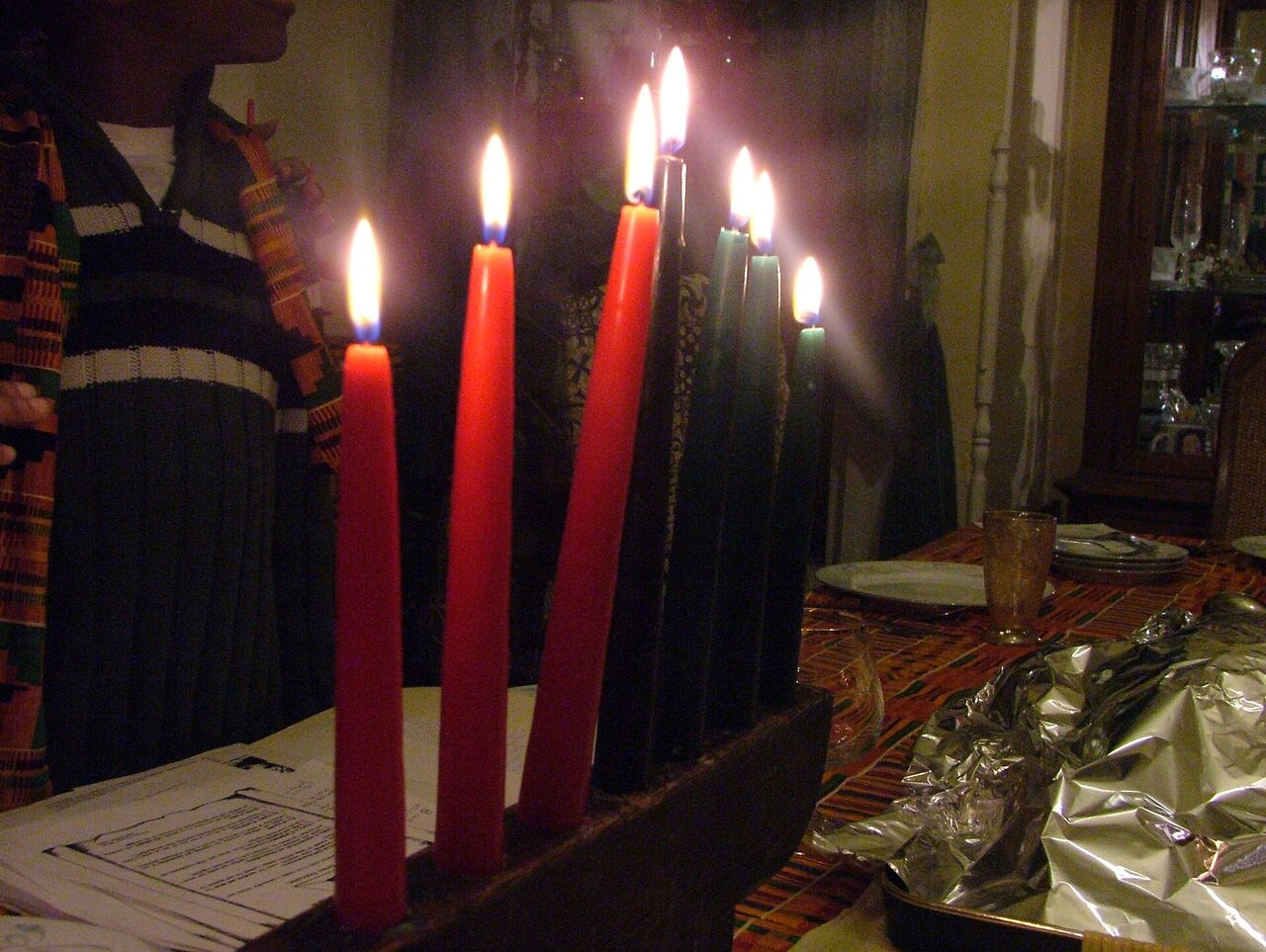
The official site describes the candle order: the black candle sits in the center of the kinara with the three red candles to its left and the three green candles to its right. The black candle is lit first on the first day, and the remaining candles are lit from left to right on the following days. Seven candles burning by the last night is a lot of open flame in a house you don't know, so treat it with care.
Our Hanukkah guide has the full set of questions to ask a host about candles and the fire safety basics for a holiday candle holder in a rental, and they apply to a kinara too. In short: ask first, keep the reply, use a metal or glass tray, keep the kinara away from curtains and decorations, keep it out of small children's and pets' reach, and put the candles out before the room empties. If the home doesn't allow open flames, an electric kinara keeps the nightly moment.
At JekkyStay, our published house rules don't cover candles, so ask us before you book and we will tell you what the home allows. Our rules also say there are no parties or events unless we approve them in writing and only the booked number of guests may stay, so if local relatives will join you for the Karamu, tell us ahead of time. See vacation rental house rules for groups for how visitor rules usually work.
The Karamu: a feast for the whole table
The Karamu is the feast of the week, and in a rental it works best when the menu is planned around the kitchen and the cooking is shared.
The official site lists feasts (karamu), music, dance, poetry and narratives as part of the celebration. For a family group, that usually means one evening with the biggest meal, a short program and everyone at the table. Pick the evening when you book, because it decides how big a table and kitchen you need. Check the official Kwanzaa site for the traditional Karamu date and program before you settle on yours.
A simple program for a group of 15 to 20:
- Welcome. An elder or the host family opens and names the day's principle.
- Remembrance. A moment for family members who have passed, with names said aloud.
- The unity cup. The official site calls the Kikombe cha Umoja "symbolic of the foundational principle and practice of unity which makes all else possible." If your set has one, share it at the Karamu.
- The meal. Family dishes from every branch of the family.
- Program. Poetry, music, a story from the oldest generation, and something the children prepared.
- Recommitment. Each person names one thing they will carry into the new year.
The cooking is a good place to live out Ujima. Give each household one dish, and let the home's kitchen do the rest: check the oven count, the size of the largest pots and the number of place settings before you plan the menu. Our Christmas dinner guide covers a cooking schedule, ordering ahead and seating 15 or more at one table, and our group meal plan covers the shopping for the rest of the week.
The symbols to pack
Pack the Kwanzaa set in one bag so the table can be set on the first night.
The official site lists seven basic symbols. Most can travel; a few are easy to put together on arrival.
| Symbol | Meaning, per the official site | Pack it or find it there |
|---|---|---|
| Mkeka (the mat) | Tradition and history, the foundation | Pack; it is light |
| Kinara (the candle holder) | Roots, continental Africans | Pack, wrapped; or an electric one |
| Mishumaa Saba (the seven candles) | The Seven Principles | Pack, plus spares |
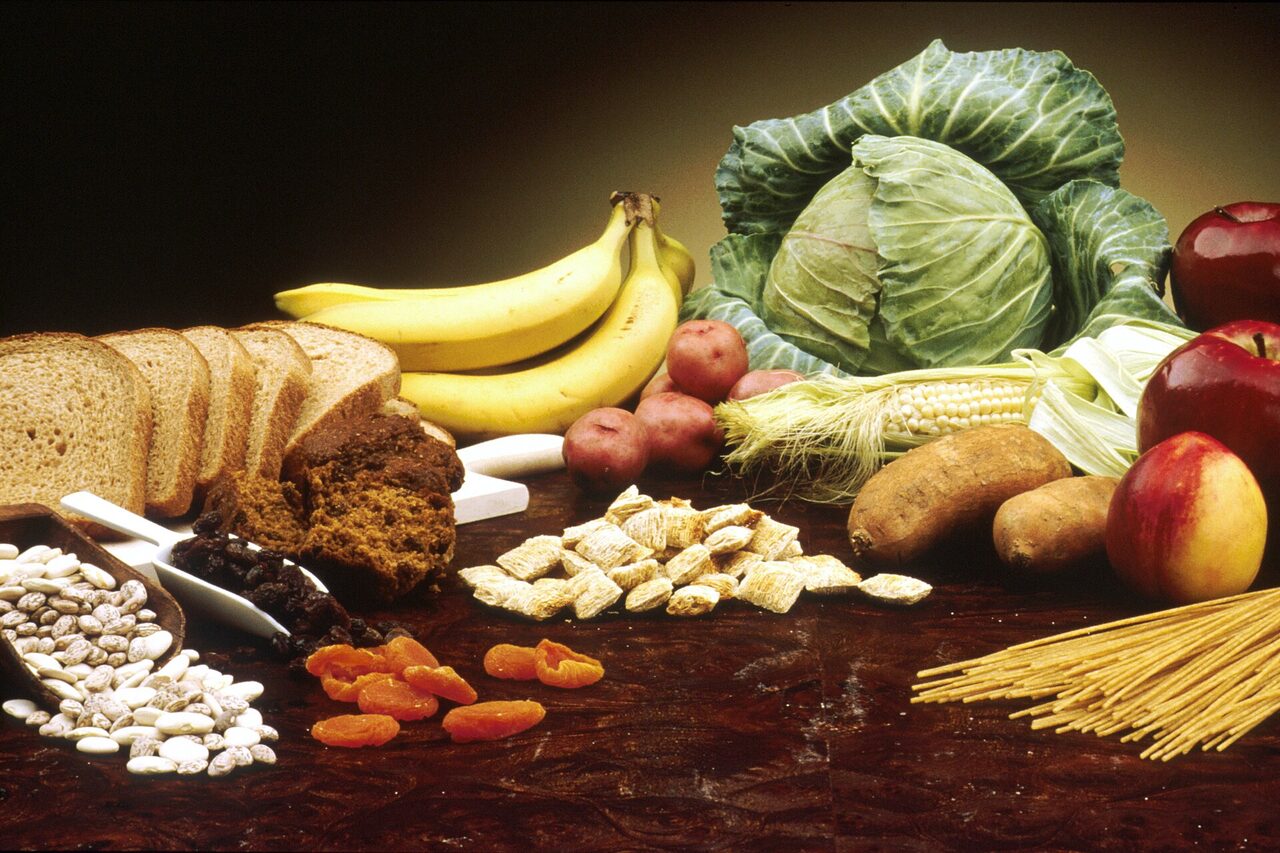
| Mazao (the crops) | Harvest and collective labor | Buy fruit and vegetables on arrival |
| Muhindi (the corn) | Children and the future | Buy on arrival |
| Kikombe cha Umoja (the unity cup) | Unity | Pack, wrapped |
| Zawadi (the gifts) | The love of parents and the commitments of children | Make them during the week |
The site also names the bendera, the flag in black, red and green, and a written copy of the Nguzo Saba, the Seven Principles, as part of a complete set. A printed poster of the principles on the fridge helps guests who are new to Kwanzaa follow along.
Activities for the children
Give children jobs and projects through the week, not only gifts at the end.
The official site's page for children warns that reducing children to "mere recipients of gifts" repeats one of the most negative aspects of some holiday celebrations. It suggests arts, crafts and decorations, African and African American song and dance, and cultural games and storytelling, with Kuumba (Creativity) as the guide. A house with a big table and a backyard is a good setting for all of it.
Ideas that work in a rental:
- A daily greeting job. One child asks "Habari gani?" at breakfast and explains the principle.
- Candle helpers. An older child helps an adult light the kinara each night and says the principle aloud.
- A craft table. Set one corner aside for paper, glue, beads and fabric scraps for handmade zawadi. Use a cloth on the table to protect the host's wood.
- A family story recording. Children interview grandparents on Nia day and play the clips at the Karamu.
- Music and movement. A shared playlist and a little floor space in the living room.
For days when the weather keeps everyone inside, our guide to keeping kids busy at a vacation rental has more ideas, and planning a multigenerational family trip covers rooms for grandparents and quiet space.
Community celebrations near our homes
For public Kwanzaa celebrations, check local listings for this year's dates rather than relying on last year's.
We did not find an official city or organizer page that lists a 2026 Kwanzaa event in our markets as of this writing, so we don't list one here. Good places to look during the week:
- Your city's parks and recreation calendar and the public library's events page.
- Museums and cultural centers focused on African American history and art.
- Local Black-owned businesses and churches, which often post events on their own pages.
- Our What's on pages for Sacramento, Houston and our other markets, which list events we have confirmed on official pages.
Confirm the date, time and any ticket price on the organizer's own page before you plan a day around it, and call ahead for a group of more than ten.
Choosing a home for the week
Pick a home for the Karamu table first and the bedrooms second.
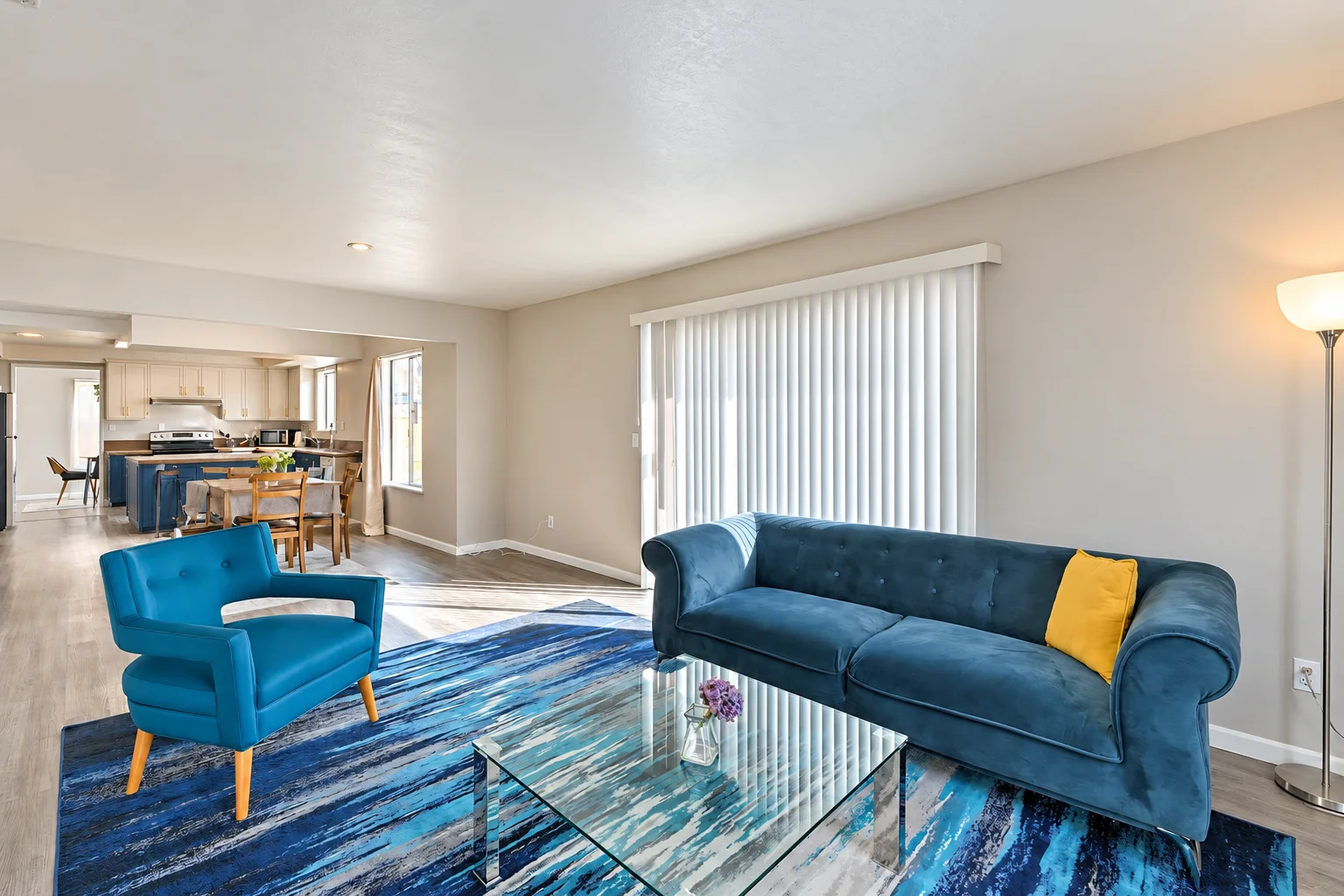
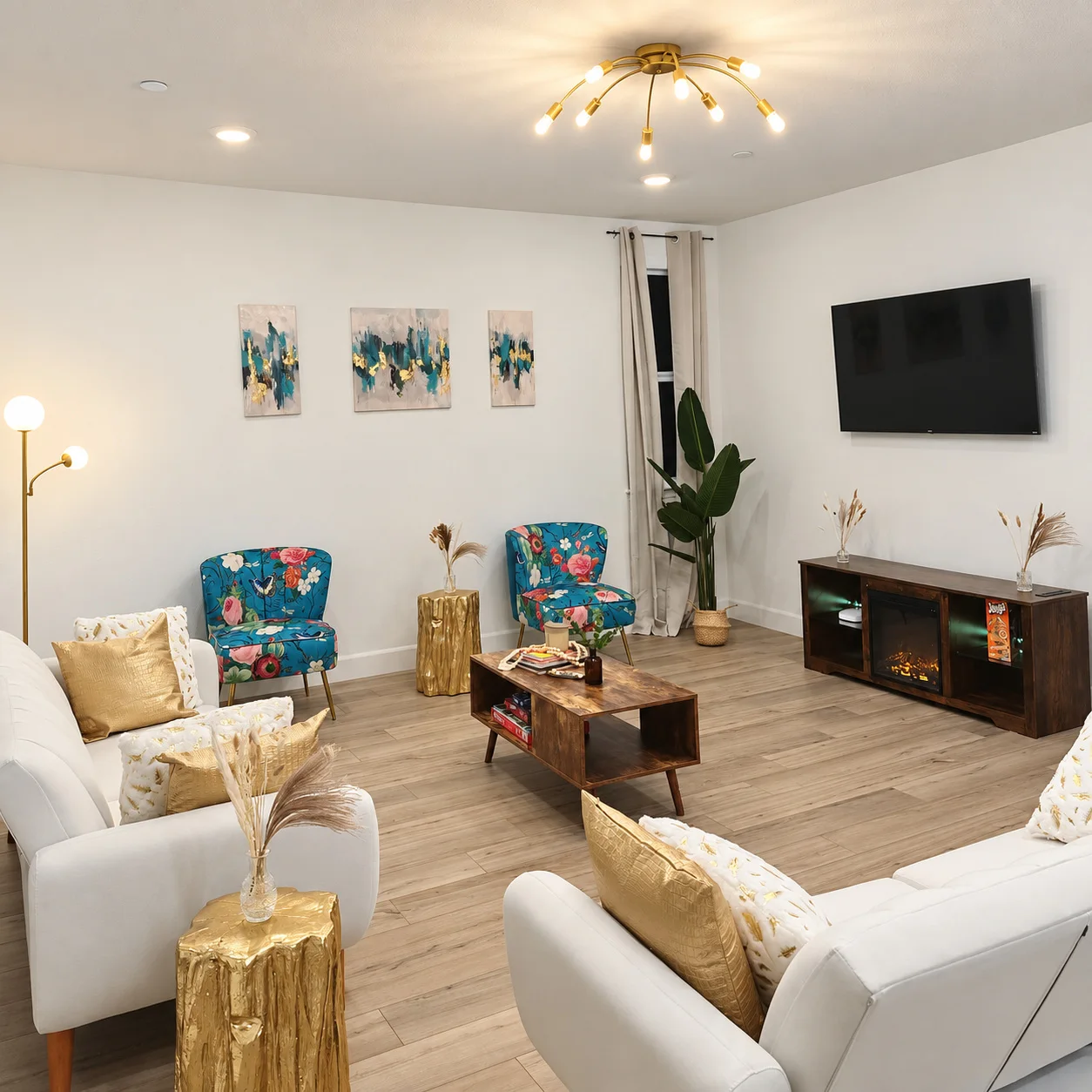
Count the people at the feast, not only the people sleeping over, and check that the dining table, or the dining table plus the kitchen island, seats them. Look for a ground-floor bedroom for older relatives, a backyard or a covered outdoor room for children, and parking for every household's car.
Browse our homes for groups in six destinations, and see our family reunions page for larger gatherings. The seven-bedroom Sacramento home is our largest. Our homes allow up to three pets per stay with a $100 pet fee, and service animals stay free. Direct bookings come with our Check-in Promise: "If your group can't get into the home at check-in and we can't get you in within one hour of your call, we refund your first night." Read the cancellation policy before you book, since the holiday week fills early.
The bottom line
Kwanzaa's seven days, December 26 to January 1, suit a family week in one house. Ask about candles before you book, choose the Karamu evening and the table first, and give every day a small activity tied to its principle. Let the children make, lead and speak, not only receive. For community events, check local listings that week and confirm on the organizer's own page.
Frequently asked questions
When is Kwanzaa in 2026?
Kwanzaa is celebrated from December 26 to January 1. In 2026 it starts on Saturday, December 26, and ends on Friday, January 1, 2027.
Who created Kwanzaa, and is it a religious holiday?
Dr. Maulana Karenga created Kwanzaa in 1966. The official Kwanzaa website describes it as a cultural holiday, not a religious one, with an inherent spiritual quality.
What is the Karamu?
Karamu is the Swahili word for feast. The official Kwanzaa website lists feasts (karamu), music, dance, poetry and narratives as part of the celebration. For a family group, it is usually the evening with the biggest meal and the fullest program.
Can we light a kinara in a vacation rental?
Only if the host allows lit candles. Ask in writing before you book. If candles are not allowed, an electric kinara keeps the nightly ritual. Where candles are allowed, set the kinara on a tray on a stable surface and keep an adult in the room until they are out.
What can children do during Kwanzaa at a rental house?
The official site suggests arts, crafts and decorations, song and dance, cultural games and storytelling. Give children roles in the candle lighting and the Karamu program, and let them make handmade gifts in the spirit of Kuumba (Creativity).
Are there Kwanzaa events near JekkyStay homes?
Public celebrations, where they are held, change dates and places from year to year. Check local listings, your city's parks and library calendars and our What's on pages that week, and confirm on the organizer's own page.
Can we bring the family dog?
Yes. Our homes allow up to three pets per stay with a $100 pet fee, and service animals stay free. Keep pets out of the room while candles are lit.
Sources
- Dr. Maulana Karenga: Kwanzaa
- Official Kwanzaa Website: home and the Seven Principles
- Official Kwanzaa Website: the symbols
- Official Kwanzaa Website: the celebration (candle lighting)
- Official Kwanzaa Website: the greetings
- Official Kwanzaa Website: the meditation
- Official Kwanzaa Website: frequently asked questions
- Official Kwanzaa Website: for children