
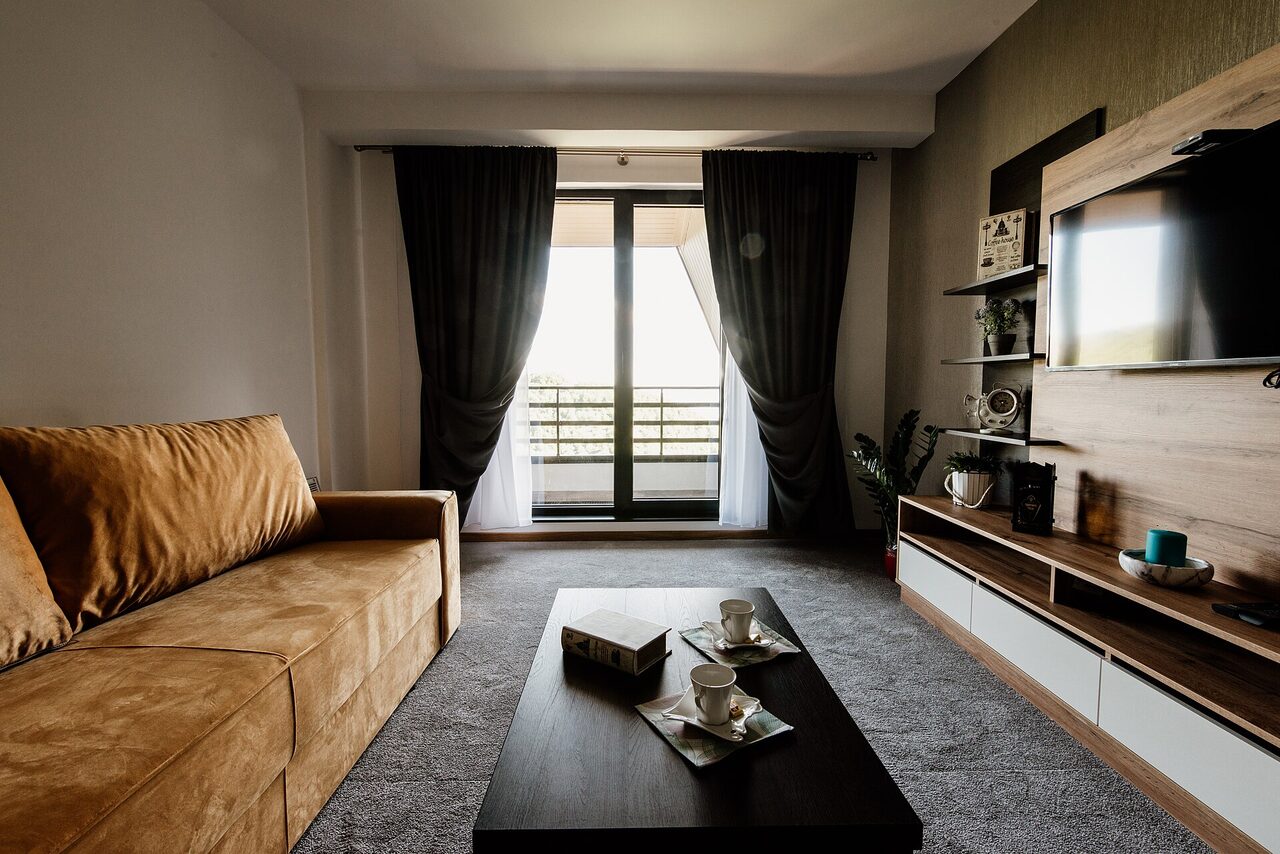
Quick answer
Buying a turnkey short-term rental means buying a furnished house that a seller has already run as a rental, and the job is to verify what actually transfers. Check the seller's numbers against your own costs, read the booking history for quality, inspect the furniture's real condition, and confirm you can get the permit in your own name.
The records to request are in our due diligence checklist for a short-term rental purchase. This guide is about how to judge what you get. This is general information, not tax, legal or investment advice.
Key takeaways
- Turnkey usually means the furniture comes with the house. The listing, reviews, bookings and often the permit do not.
- Rebuild the seller's numbers as your own business: add management, the seller's unpaid labor and a year of ramp-up.
- Read booking history for its quality, not only its total: rate, lead time, repeat guests and one-off events.
- Furniture wears out on a short clock; the IRS puts furniture and appliances used in a residential rental in the 5-year class.
- Airbnb says accounts and reservations can't be transferred, and some cities say permits don't transfer either, so plan to start fresh.
In this guide
What "turnkey" usually includes, and what it doesn't
Turnkey usually covers the contents of the house, not the business around it. The word has no legal meaning, so the contract decides what you get.
| Item | Usually included | Usually not included | What to do |
|---|---|---|---|
| Furniture, beds, linens, kitchenware | Yes | Attach a written inventory to the contract | |
| Smart lock, thermostat, cameras outside, noise monitor | The hardware | The accounts and app logins | Reset and re-register in your name at closing |
| Platform listing and reviews | Yes | Plan a new listing and a ramp-up | |
| Future bookings | Yes, as a rule | Agree in writing who honors or refunds each one | |
| Permit or registration | Often | Confirm with the city that you can apply | |
| Direct booking website, domain, guest list | Sometimes | Often | List them in the contract if they are part of the price |
| Listing photos | Sometimes | Often | Get a written license to use them, or shoot new ones |
| Cleaners and vendors | Contracts are personal | Interview them; nothing obliges them to stay |
The rule of thumb: you pay for what you keep. A seller may price the house on its earnings, but most of what produced those earnings, the reviews, the ranking and the booked calendar, stays with the seller.
Rebuild the seller's numbers as your own
The seller's income statement describes the seller's business, so rewrite it with your costs before you trust the total. Most of the gap between a seller's numbers and a buyer's first year comes from a few lines.
- Management. A seller who self-manages may show no management fee. If you will hire a manager, add the fee. Our guide to vacation rental management fees covers how fees are quoted.
- Unpaid labor. A seller who cleans, restocks, answers messages and fixes small things is working for free. Price those hours, or the cost to pay someone for them.
- Owner use. Nights the seller used the home are nights not sold. Ask how many, and decide whether you plan the same.
- One-off years. A single event, a nearby construction crew or a strong season can lift one year. Ask for two or three years if the home has them, and compare.
- Ramp-up. Because the listing and reviews don't transfer, your first months start with no reviews. Our guide to the ramp-up year for a new short-term rental shows what to plan for.
- Replacement costs. A seller selling soon has little reason to replace worn items. You will.
Run both versions in the free deal analyzer, and check revenue against comparable homes with the vacation rental income calculator. Every result comes only from what you enter.
Read the booking history for quality, not only totals
Two homes with the same revenue can have very different futures, and the booking history shows which one you are buying. Ask for a reservation-level export, not a summary, and look at five things.
- Rate against occupancy. High occupancy at a low rate may mean the seller underpriced. A high rate on few nights may depend on a handful of peak weekends.
- Lead time. Bookings made months ahead are steadier than last-minute ones, which can fall away when supply grows.
- Repeat and direct guests. Repeat guests booked through a platform are tied to the seller's listing. Direct guests are tied to the seller's list. Neither transfers unless you agree on it, and guest contact data may carry privacy limits. See own your guest list.
- Concentration. If a few large bookings, such as one corporate crew or one annual event, make up a big share of revenue, ask whether they will return and to whom.
- Cancellations and refunds. A pattern of refunds points to a recurring problem: noise, the pool, parking or a feature that broke often.
Inspect the furniture like a buyer, not a guest
Turnkey furniture looks fine in listing photos and wears out quickly in real use, so walk the house with a list and a camera. Group homes take more wear than a family home, with more people per bed and per sofa every week.
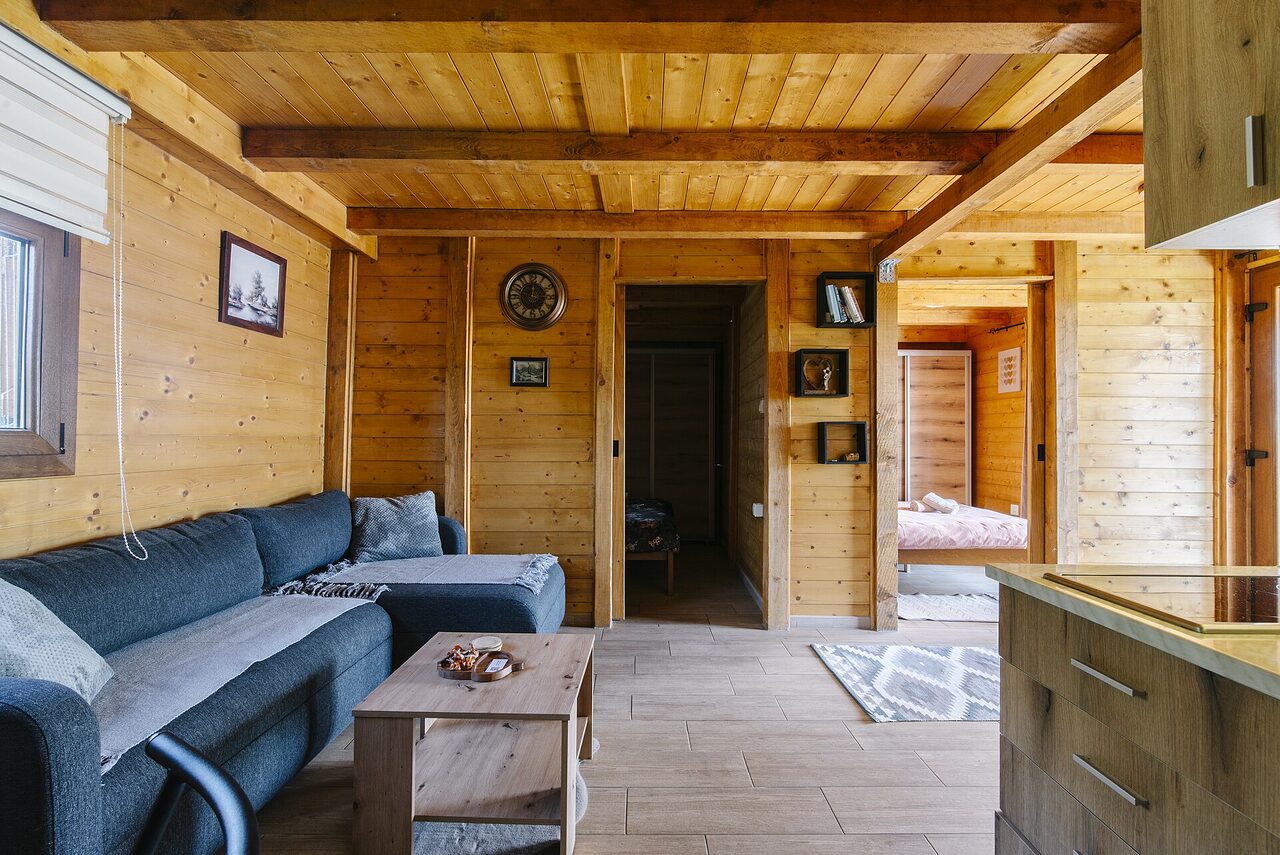
What to check in each room:
- Mattresses and bed frames. Look for sagging, stains, broken slats and protectors. Mattresses are often the first large replacement.
- Sofas and chairs. Sit on them. Check cushions, frames and fabric at the arms and seats.
- Dining table and chairs. Make sure the table seats the full guest count, and look for loose joints.
- Kitchen. Count place settings against the guest count, and check pans, knives and small appliances.
- Linens and towels. Count full sets per bed and per guest, plus spares. Stained sets mean replacement on day one.
- Outdoor furniture and grills. Sun and weather shorten their life.
- Electronics. TVs, routers and smart locks need resets and new accounts in your name.
Furniture also matters for taxes. IRS Publication 527 places "appliances, carpeting, and furniture used in a residential rental real estate activity" in the 5-year property class, and it explains that when you buy a building and land together, "you must divide the cost between the land and the buildings." Ask your CPA how to allocate the price among land, building and contents, and keep the written inventory with your closing papers. For a refresh plan, see how to furnish a vacation rental for groups.
Confirm the permit and the platforms will let you start
You may be buying a house with a permit you cannot keep and a listing you cannot use, so confirm both before you remove contingencies.
Permits. Some cities tie the permit to the holder. Nashville's permit types page says new not owner-occupied permits are not permitted in AR2A, R, RS or RM zoned properties, that existing permit holders in those zones may be eligible to renew, and that "those permits are not transferable if the property is sold or transferred." New Orleans says "Short-Term Rental licenses are non-transferable." In places like these, a buyer may not be able to get a new permit at all. Ask the permit office, in writing, whether you can apply in your own name at this address. Our regulation risk after you buy guide covers what grandfathering protects.
Platforms. Airbnb's help page on merging accounts or transferring ownership says there isn't a way to transfer ownership of an account to a different host, and that "reservations can't be transferred to a new host or account." Vrbo's help page on transferring a listing tells sellers to "refer to our Property Sale and Host Transition Policy," which it says explains "how to notify guests, manage existing reservations and how to work with a new property owner or property manager." In practice, you start a new listing, and the seller handles existing guests under the platform's rules.
Future bookings. Agree in the contract who honors each booking after closing, how the money is split, and who notifies guests. The platform's rules decide what the seller can do, so read them with the seller before you sign.
Price the premium
A turnkey premium is fair only for things you keep and can verify. Here is a simple way to sort them.
| Pay for | Be careful paying for | Don't pay for |
|---|---|---|
| Furniture and contents in good condition, on an inventory | A direct booking site, domain and guest list, if they transfer in writing | The seller's reviews and ranking |
| Systems that work: HVAC, water heaters, pool equipment | Listing photos, if licensed to you | Future bookings that stay with the seller |
| A permit you can obtain in your name | A trained cleaner or vendor team, since they can leave | Revenue from owner-run labor you will pay for |
If the seller prices the home on revenue you cannot keep, offer on the house and the contents, then treat the rest as a possible bonus.
The bottom line
A turnkey short-term rental saves setup time, but most of what made the seller's numbers, the listing, reviews, bookings and sometimes the permit, does not come with the house. Rebuild the income with your own costs and a ramp-up year, read the booking history for quality, inspect the furniture as a buyer, and get written confirmation that you can obtain a permit. Pay only for what you keep. Run your version of the numbers with our free investor tools, and have a local real estate attorney and a CPA review the deal. This is general information, not tax, legal or investment advice.
Frequently asked questions
What does turnkey mean when buying a short-term rental?
It usually means the home is sold furnished and set up to rent, with linens, kitchenware and sometimes supplies included. It rarely means the platform listing, its reviews, future bookings or the permit pass to you. Get a written list of exactly what is included.
Can I take over the seller's Airbnb listing and reviews?
Airbnb's help page says there isn't a way to transfer ownership of an account to a different host, and that reservations can't be transferred to a new host or account. Plan to start a new listing. Vrbo's help page points sellers to its Property Sale and Host Transition Policy for notifying guests and handling reservations.
Does the short-term rental permit come with the house?
Often not. Nashville says existing non-owner-occupied permits in residential zones are not transferable if the property is sold, and New Orleans says its short-term rental licenses are non-transferable. Ask the city whether you can get a permit in your own name before you remove contingencies.
Should I pay extra for a turnkey rental?
Only for what you can verify and keep: furniture in good condition, working systems and a permit you can obtain. The seller's reviews, bookings and ranking don't transfer, so they are worth little to you as a buyer.
How should furniture be handled in the purchase?
List it in a written inventory attached to the contract, note its condition, and ask your CPA how to allocate part of the price to it. IRS Publication 527 puts furniture and appliances used in a residential rental in the 5-year property class.
Is this investment advice?
No. This is general information, not tax, legal or investment advice. Have a local real estate attorney and a CPA review the purchase.
Sources
- Airbnb Help Center: merging accounts or transferring ownership
- Vrbo Help: Can I transfer my listing to another person
- Vrbo Help: policy on a property that is sold
- IRS Publication 527: Residential Rental Property
- Metro Nashville Codes: Short Term Rental permit types
- City of New Orleans: Short-Term Rentals