Quick answer
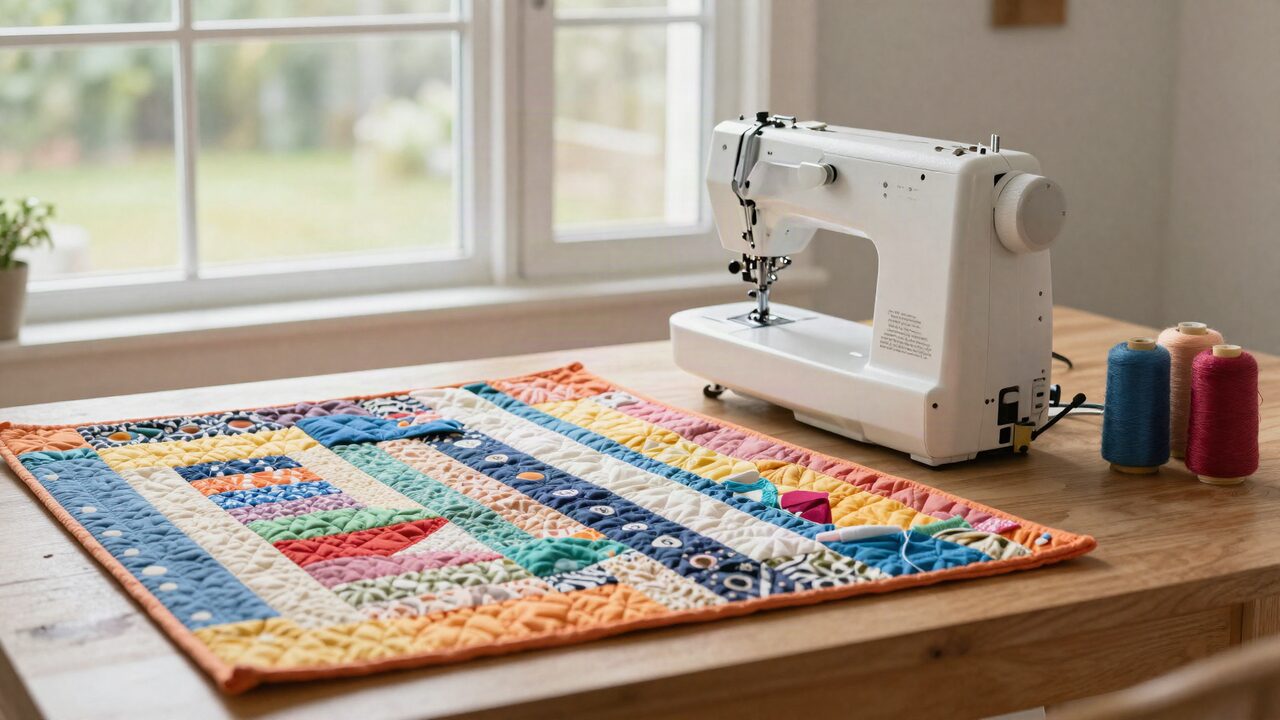
A vacation rental makes a good base for a quilting, scrapbooking or painting retreat of 8 to 16 people. Pick a home with a big dining table, extra tables and a workspace, then bring folding tables, lamps and power strips. Protect the furniture, keep food off the work tables and rotate meal duty.
Key takeaways
- A large vacation rental works well for a quilting, scrapbooking or painting retreat of 8 to 16 people who want to craft, eat and sleep under one roof.
- Table space is the limit, not bedrooms: count dining tables, kitchen counters and outdoor tables, and bring folding tables for the rest.
- Bring your own task lighting and heavy-duty power strips, and ask the host which rooms have the most outlets before you set up machines.
- Protect the home: drop cloths under paint and glue, a cutting mat under every rotary cutter, and irons only on proper boards.
- Rotate meal teams and keep food off the work tables, so supplies stay clean and nobody loses a sewing day to the kitchen.
In this guide
Why a house beats a hotel ballroom
A rental home lets a craft group work late, leave projects out overnight and eat together without packing up. That is the whole appeal.
Crafters have gathered to work side by side for a long time. Quilting bees combined sewing with conversation and a shared meal, and scrapbooking "crops" range from informal get-togethers at homes or churches to multi-day hotel events with large numbers of people. A hotel event has its place, but you share the room, tear down each night and pay for every meal out.
A house gives you:
- A workroom that stays set up. Leave the machines threaded and the layouts spread out at midnight.
- Your own schedule. Sew at 6am or paint until 1am; nobody is clearing the hall.
- A kitchen. Cook breakfast in pajamas and eat lunch without leaving.
- Bedrooms down the hall. Rest when you want, then come back to the table.
It works best for a guild's small group, a circle of friends, a family that quilts together, or a painting group that wants a weekend away. Our listed homes sleep 15 or 16 guests, so a guild of 40 needs a retreat center instead.
Table space comes first
Count work surfaces before you count beds, because table space is the real limit on a craft retreat.
As a rough plan, give each quilter with a sewing machine half a standard folding table. A scrapbooker needs room for a 12-inch layout, a trimmer and supplies, which is about the same. Painters need space for paper, water and drying. Add a cutting station and an ironing station that the whole group shares.
Where to find that space in a rental:
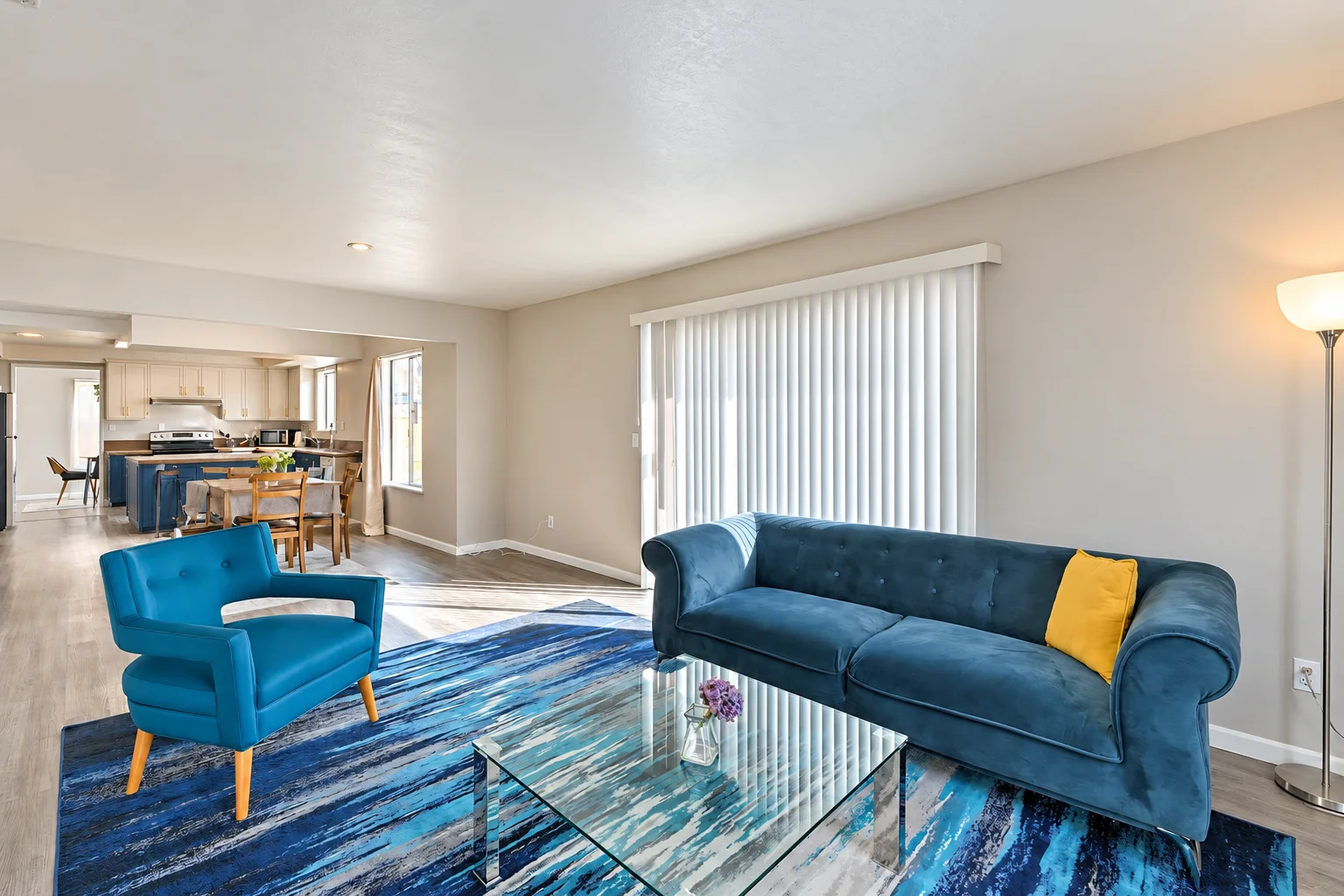
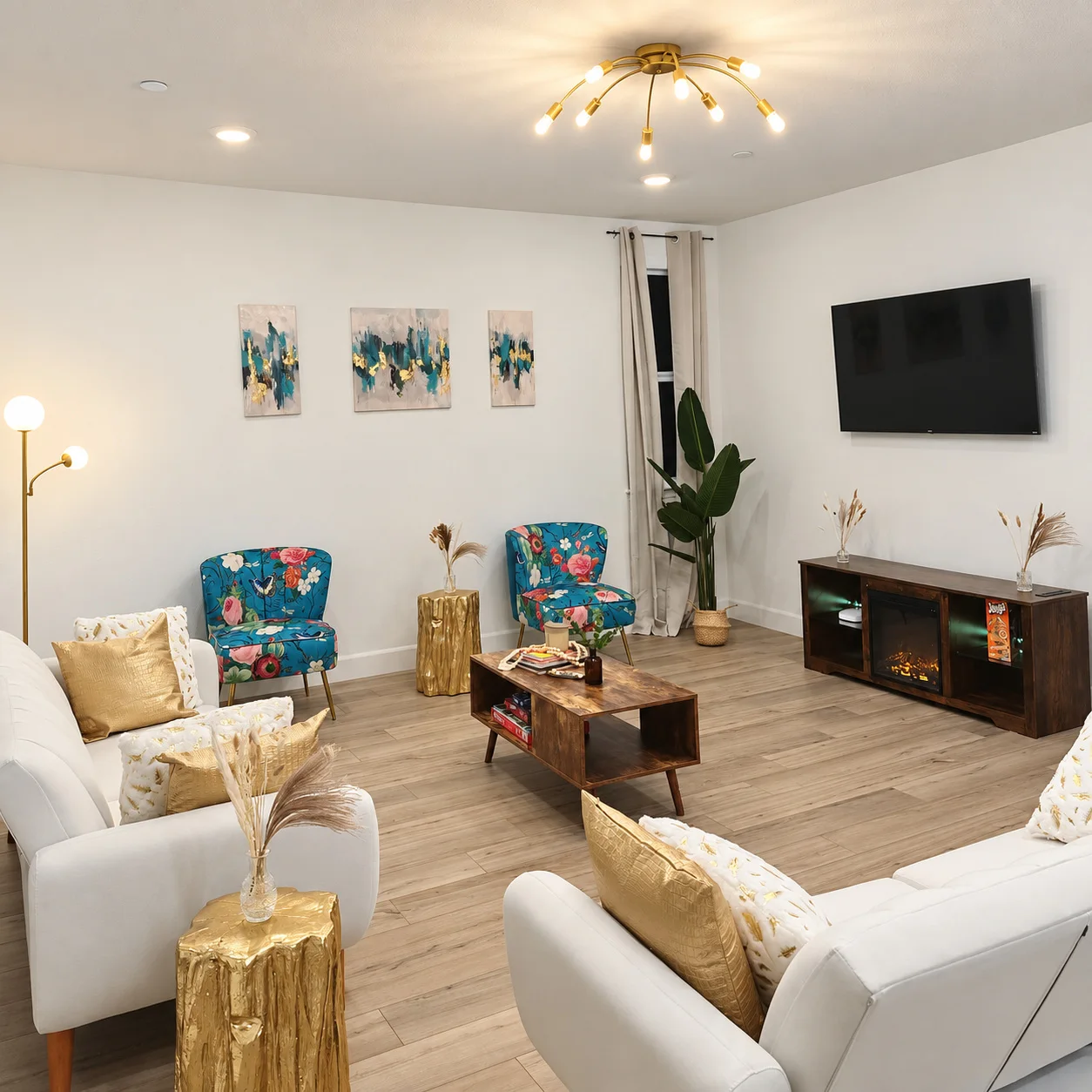
- The dining table, usually the biggest flat surface in the house
- A breakfast nook or bar for a cutting station or snacks
- A dedicated workspace or desk for one crafter or a die-cutting machine
- Covered outdoor tables for painting, spray basting or glue work in good weather
Then bring folding tables to fill the gaps. Ask the host where they can go and where to store any furniture you need to move, and put everything back before you leave. The Lake Anna home, for example, asks guests to leave furniture in its original position.
| Home | Sleeps | Work surfaces and spaces listed | Iron listed | Laundry |
|---|---|---|---|---|
| Sacramento | 16 | Dining table, dedicated workspace, outdoor dining area, two lounges | Yes | Washer, no dryer |
| Roseville | 16 | Dining area, dedicated workspace, covered California room, outdoor dining | Yes | Washer and dryer |
| Antioch | 15 | Dining table seats six, work desk, outdoor seating | Not listed | Washer and dryer |
| Houston | 16 | Dining room, workspace, covered patio with dining seating | Yes | Washer and dryer |
| Lake Anna | 16 | Dining room, breakfast nook, workspace, screened porch, outdoor table | Yes | Washer and dryer |
| Kissimmee | 16 | Dining room, breakfast nook, breakfast bar, outdoor dining under the screened enclosure | Yes | Washer and dryer |
Lighting, outlets and power
Bring your own task lighting and power strips, and plan where machines plug in before you set up.
Lighting. Home lighting is set for relaxing, not for matching thread or seeing true paint color. Bring a lamp for each crafter, or one for every two. LED lamps are a good fit: they direct light in one direction instead of all around, and they run much cooler than incandescent bulbs, which release about 90% of their energy as heat. A cooler lamp is more comfortable over a long day and safer near fabric and paper. Set tables near windows for daylight, then switch to lamps in the evening.
Outlets. No listing tells you how many outlets each room has or how the circuits are laid out, so ask. Tell the host how many machines, irons and lamps you plan to run and ask which rooms to use.
A few habits keep the power on:
- Give each iron its own outlet, and do not put two irons on one circuit.
- Spread sewing machines across rooms instead of lining them all up on one wall.
- Use heavy-duty power strips rather than light household extension cords, and tape cords down where people walk.
- Turn irons and heated tools off at every break and at night.
Storage and protecting the home
Plan where supplies live, and protect every surface you work on, because fabric dye, glue, paint and rotary cutters can mark furniture quickly.
Storage. Bring supplies in labeled bins, one per person, and stack them under the tables. Keep a shared bin for the group's tools. Use bedroom closets and clothing storage for personal bags so the workroom stays clear. Most homes list clothing storage and hangers, which helps with finished quilt tops too.
Protection. These steps prevent most damage:
- A cutting mat under every rotary cutter, and never on a bare table
- Drop cloths or plastic tablecloths under paint, glue, ink and spray basting
- An ironing board or a pressing mat for every iron; never iron straight on furniture
- Brush water in a bucket, emptied outside or in the kitchen sink, not the bathroom
- Water-based paints only; leave solvents and strong fumes at home
- A pin magnet at each station and a sweep of the floor each night for pins and needles
If pets are coming (up to 3, with a $100 flat fee per stay; service animals are free and do not count toward the limit), keep them out of the workroom. Pins, thread and wet paint are hazards for animals.
Meals without mess
Rotate meal duty and keep food on its own surface, so the work tables stay clean and nobody gives up a craft day to cook.
Split the group into pairs or threes, each taking one meal. Plan food that is easy to eat in shifts, because crafters tend to stop at different times. For a fuller menu, see our group meal plan for a vacation rental weekend.
| Meal | Simple plan | Why it works |
|---|---|---|
| Breakfast | Coffee, yogurt, fruit, a breakfast casserole made the night before | Ready when each person wakes |
| Lunch | Soup and sandwiches, or a salad bar | Eat when you reach a stopping point |
| Afternoon | Snacks at a separate table, away from fabric and paper | No sticky fingers on projects |
| Dinner | One sit-down meal together, with a show-and-tell after | The social part of the day |
Keep drinks with lids at work stations, and set the snack table away from the work. If the dining table is the workroom, eat in the kitchen, the breakfast nook or outside.
A weekend plan and bedrooms
A Friday to Sunday weekend gives a group one full day of crafting plus two evenings, which is enough to finish a project or make real progress.
Friday: arrive at check-in time, set up stations, grocery run, simple dinner, evening crafting and a tour of everyone's planned project.
Saturday: the long day. Crafting all morning, a lunch break, an optional class or demo from a member in the afternoon, dinner together, and open crafting into the evening.
Sunday: a final session, show-and-tell, pack-up, a sweep for pins and scraps, and departure before check-out time.
Bedrooms. Night owls who sew until 1am and early risers who start at 6am should not share a room. Settle the room list before you book. Our guide on how to assign bedrooms on a group trip has a simple method, and how many bedrooms you need for a group helps you choose the size.
House rules. Every home has a maximum number of overnight guests, and only the booked number of guests may stay. No parties or events unless JekkyStay approves them in writing, so a class that brings in outside members, or a sale with vendors, needs written approval first. The primary guest must be at least 21 on the check-in date.
The bottom line
A vacation rental gives a craft or hobby retreat what a hotel can't: a workroom that stays set up, a kitchen and bedrooms down the hall. Choose by table space, bring lamps, folding tables and heavy-duty power strips, ask the host about outlets, protect every surface and keep food apart from the work. Browse our homes for groups to find one that fits your circle.
Frequently asked questions
Can we hold a quilting or craft retreat at a vacation rental?
Yes. A group that fits the home's maximum overnight guest count can use the dining room, living areas and outdoor tables as a workroom. Bring your own folding tables and lamps, protect the furniture, and keep the event to the people on the booking.
How many people fit at a craft retreat in a rental home?
Bedrooms set the overnight limit, but table space sets the crafting limit. Our listed homes sleep 15 or 16. A good rule of thumb is one folding table for every two crafters beyond what the dining table seats.
Will sewing machines and irons trip the power at a rental?
They can if too many run on one circuit, especially irons. Spread machines across rooms, give irons their own outlets, and ask the host before you arrive which rooms and outlets to use.
What should we bring for lighting?
A clip-on or desk lamp for each crafter, or one for every two. Home lighting is set for living, not close work. LED lamps are a good choice because they direct light where you aim it and run cooler than incandescent bulbs.
Can we paint at a vacation rental?
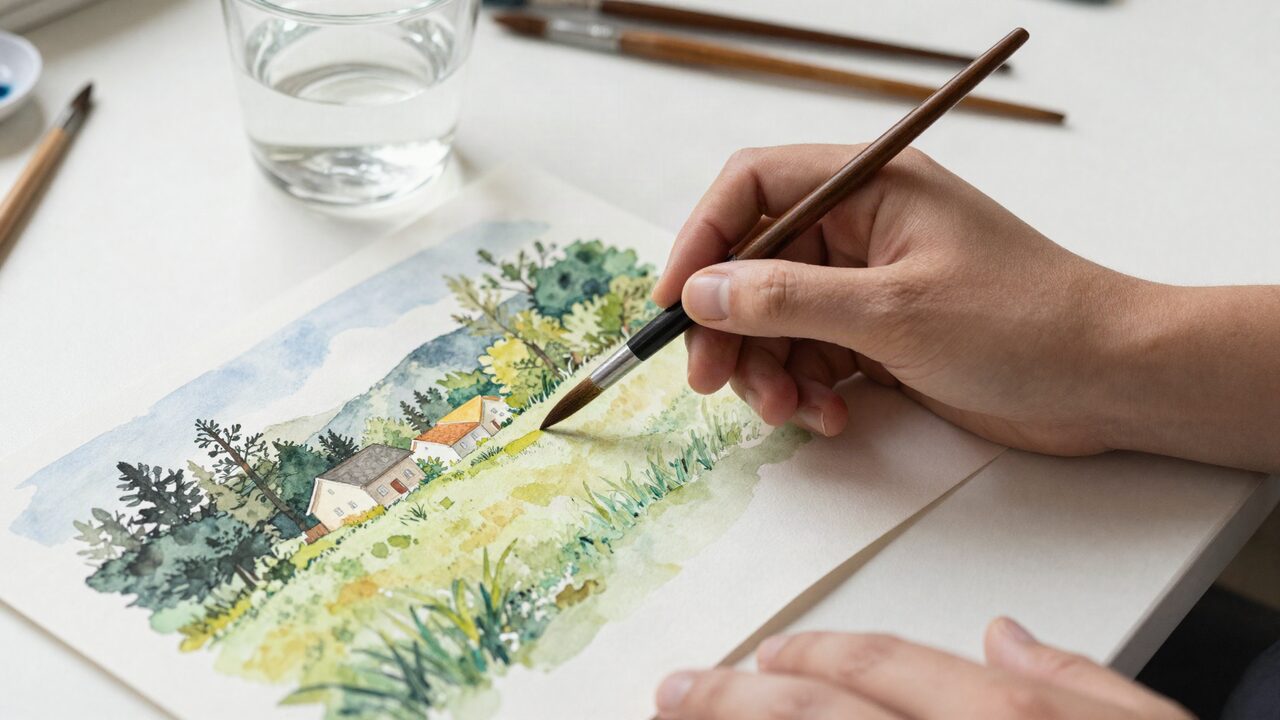
Watercolor, acrylic and other water-based work at a covered table is usually fine. Use drop cloths, rinse brushes in a bucket rather than the bathroom sink, and leave solvent-based paints at home.
Can we bring a pet?
Up to 3 pets are allowed, with a $100 flat fee per stay. Service animals are always welcome at no charge and do not count toward the pet limit. Keep pets out of the workroom, away from pins, thread and wet paint.