
Quick answer
Cap rate measures what a rental property earns before any loan: net operating income divided by the price. Cash-on-cash return measures what your cash earns after the mortgage: yearly pre-tax cash flow divided by the cash you put in. Use cap rate to compare properties and cash-on-cash return to judge a specific financed deal.
You can run both with our free cap rate calculator and cash-on-cash return calculator. This guide explains the formulas, works through an Example and shows when each number misleads.
Key takeaways
- Cap rate is net operating income divided by the property price. It ignores the loan and describes the property.
- Cash-on-cash return is yearly pre-tax cash flow after the mortgage divided by the cash you put in. It includes the loan and describes your money.
- Use cap rate to compare similar homes in the same market; use cash-on-cash return to compare deals with their actual financing.
- Borrowing raises cash-on-cash return only when the property earns more on its total cost than the loan costs each year, principal included.
- For a short-term rental, count furnishing and closing in the cash invested, and use real running costs, or both numbers look better than they are.
In this guide
The two formulas side by side
Both measures start from net operating income, but they divide by different things and treat the loan differently.
| Cap rate | Cash-on-cash return | |
|---|---|---|
| Formula | Net operating income ÷ purchase price | Yearly pre-tax cash flow ÷ total cash invested |
| Includes the mortgage? | No | Yes |
| Top of the fraction | Net operating income | Net operating income minus yearly mortgage payments |
| Bottom of the fraction | The price of the property | Down payment, closing costs, furnishing and setup |
| Describes | The property | Your money in this deal |
| Best for | Comparing similar homes in one market | Comparing deals with their real financing |
Finance writers describe cap rate as unlevered, meaning financing does not change it, and cash-on-cash return as levered, meaning the amount of debt does change it.
Step one for both: net operating income
Net operating income is the rent and fees you collect in a year minus the costs of running the property, with the mortgage, depreciation and income tax left out.
For a short-term rental, running costs are heavier than for a long-term lease. Our cap rate calculator lists the ones to include: property taxes, insurance, utilities and internet, cleaning, supplies, repairs and maintenance, management and platform fees, HOA dues and licenses. The calculator works it out in three lines:
- Effective gross income = gross income × (1 − vacancy).
- Net operating income = effective gross income − operating costs.
- Cap rate = net operating income ÷ purchase price.
If your gross income figure already reflects real occupancy, set vacancy to zero so you don't count empty nights twice.
A worked Example
The clearest way to see the difference is to run one invented property through both formulas.
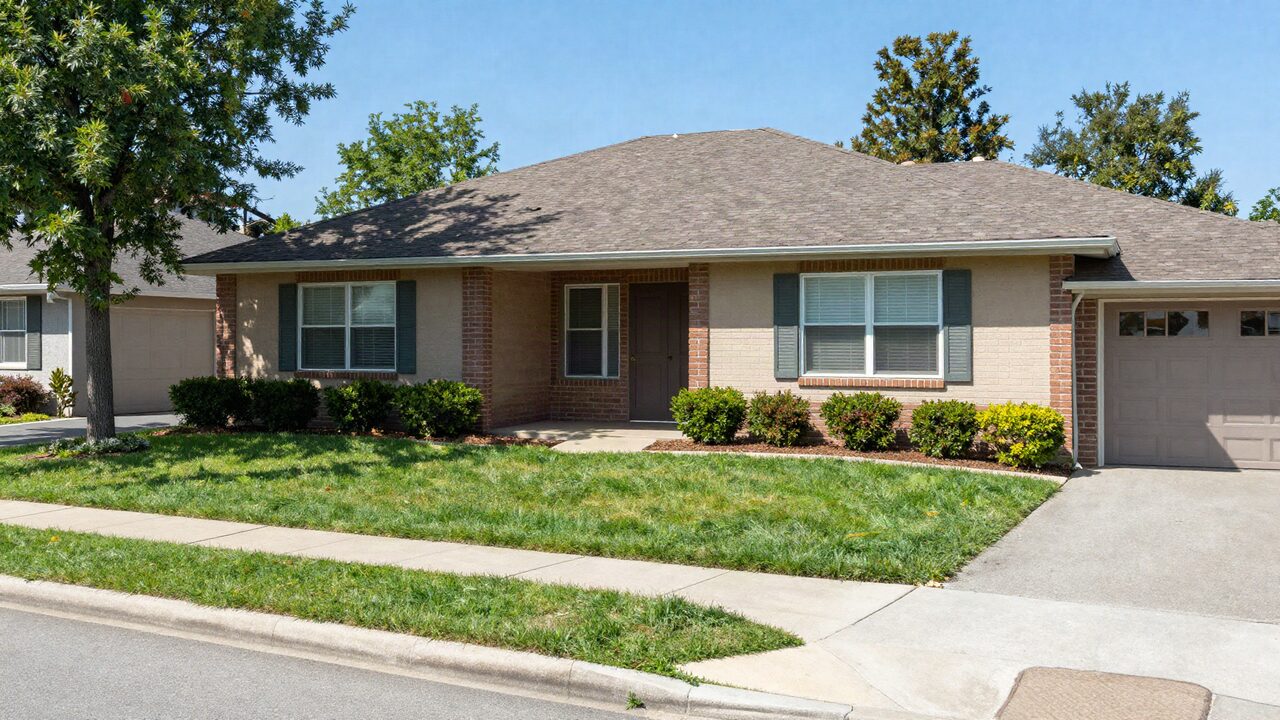
Now change only the financing and watch what moves.
| Example financing | Cash invested | Yearly mortgage | Cash flow | Cash-on-cash | Cap rate |
|---|---|---|---|---|---|
| All cash | $655,000 | $0 | $51,000 | about 7.8% | 8.50% |
| 25% down at 7% | $205,000 | about $35,900 | about $15,100 | about 7.4% | 8.50% |
| 20% down at 7% | $175,000 | about $38,300 | about $12,700 | about 7.2% | 8.50% |
| 25% down at 8.5% | $205,000 | about $41,500 | about $9,500 | about 4.6% | 8.50% |
The cap rate never changes, because the property is the same. Cash-on-cash return moves with every change to the loan.
When borrowing helps and when it hurts
Borrowing raises cash-on-cash return only when the property earns more on its total cost than the loan costs each year, principal included.
In the Example, cash-on-cash return is lower with the loan than buying with cash, even though the 8.50% cap rate is above the 7% interest rate. Two things explain it:
- Total cost, not price. Closing and furnishing add $55,000, so net operating income on the full $655,000 is about 7.8%, not 8.5%.
- The yearly payment includes principal. On a 30-year loan at 7%, a year of payments is about 8% of the loan amount, above the interest rate itself.
When the property earns less on its total cost than that yearly payment rate, every extra dollar borrowed lowers your cash return. When it earns more, borrowing lifts it. Paying down principal does build equity, which cash-on-cash return doesn't count, but the cash in your pocket each year is lower.
Common mistakes with both ratios
Most errors come from the inputs, not the math, so check these before you compare two deals.
- Using the list price for one home and the offer price for another. Compare like with like, and rerun the numbers at the price you actually expect to pay.
- Mixing gross and net income. Cap rate uses net operating income. Dividing gross rent by price gives a much larger number that means something else.
- Counting the mortgage in net operating income. The loan belongs in cash-on-cash return, not in the cap rate. Put it in both and the property looks worse than it is.
- Leaving out reserves and repairs. Roofs, water heaters, decks and furniture wear out faster with frequent guests. Set aside a share of revenue every year.
- Comparing across markets on cap rate alone. A higher cap rate in one city can reflect higher risk, a weaker season or tighter local rules. Cap rate works best for similar homes in the same market.
- Ignoring the property tax reset. In many counties the tax bill changes after a sale. Use the bill a new owner will pay, not the seller's.
Why short-term rentals need extra care with both numbers
Short-term rentals have more moving parts than long-term leases, so small input mistakes move both ratios a lot.
- Turnover costs. Every stay brings cleaning, laundry and supplies. Large group homes earn more per night but cost more per turnover.
- Furnishing. Beds and linens for every room, a stocked kitchen, outdoor furniture and smart locks are cash you put in. Leave them out and cash-on-cash return is overstated.
- Seasons. An annual cap rate can hide months when the home loses money. A yearly average says nothing about cash in February.
- Management. Our deal analyzer notes that full-service managers often charge 15% to 30% of booking revenue. If you self-manage, your time is a real cost even if it isn't in the formula.
For a seasonal home, run the whole deal in the deal analyzer, which shows cap rate, cash-on-cash return and DSCR together with a month-by-month view and a stress test. Our step-by-step guide on how to analyze a short-term rental deal walks through it.
What neither number tells you
Neither ratio covers taxes, appreciation, risk or whether a lender will make the loan, so use them with other checks.
| Question | Measure to use |
|---|---|
| Does the income cover the loan? | DSCR, net operating income ÷ yearly mortgage payments |
| Can I get through the slow months? | Month-by-month cash flow and a cash reserve |
| What if bookings fall short? | A stress test at lower occupancy |
| What happens to my taxes? | A CPA, using rules such as those in IRS Publication 527 |
| Is the market allowing short stays? | Local permit and zoning rules |
For lender ratios, see our DSCR calculator and the guide to DSCR loans for short-term rentals. For local rules, see what owners should check on short-term rental permits.
This is general information, not tax, legal or investment advice. Talk to a CPA, lender or attorney about your own situation. If you want to learn about investing in large group homes with JekkyStay, see our investor page.
The bottom line
Cap rate tells you what a property earns before the loan, so it is the fair way to compare similar homes. Cash-on-cash return tells you what your own cash earns with the financing you will actually use. Calculate both from real net operating income, count furnishing and closing in the cash you put in, and remember that borrowing helps only when the property earns more on its total cost than the loan costs each year.
Frequently asked questions
What is the difference between cap rate and cash-on-cash return?
Cap rate divides net operating income by the property price and leaves out the mortgage. Cash-on-cash return divides the yearly cash flow after the mortgage by the cash you invested. Cap rate describes the property; cash-on-cash return describes your money in a specific financed deal.
Which is better, cap rate or cash-on-cash return?
Neither is better; they answer different questions. Use cap rate to compare properties on equal terms and cash-on-cash return to see what your cash earns with the loan you will actually get. Look at both, along with DSCR and the slow months.
Does cap rate include the mortgage?
No. The mortgage, depreciation and income tax are left out of net operating income, so cap rate compares properties regardless of how they are financed.
Can cash-on-cash return be higher than the cap rate?
Yes, when the property earns more on its total cost than the yearly cost of the loan. Then borrowing lifts the return on your cash. When the loan costs more, borrowing pulls cash-on-cash return below what you would earn buying with cash.
What is a good cap rate or cash-on-cash return for a vacation rental?
There is no single good number. It depends on the market, the property's risk, interest rates and your goals. Compare similar homes in the same market and check that the income behind each figure is real, not projected.
Should furnishing costs be included in cash-on-cash return?
For a short-term rental, yes. Furniture, linens, kitchen gear and setup are cash you must put in before the first guest, and a large group home can need tens of thousands of dollars of it.