Quick answer
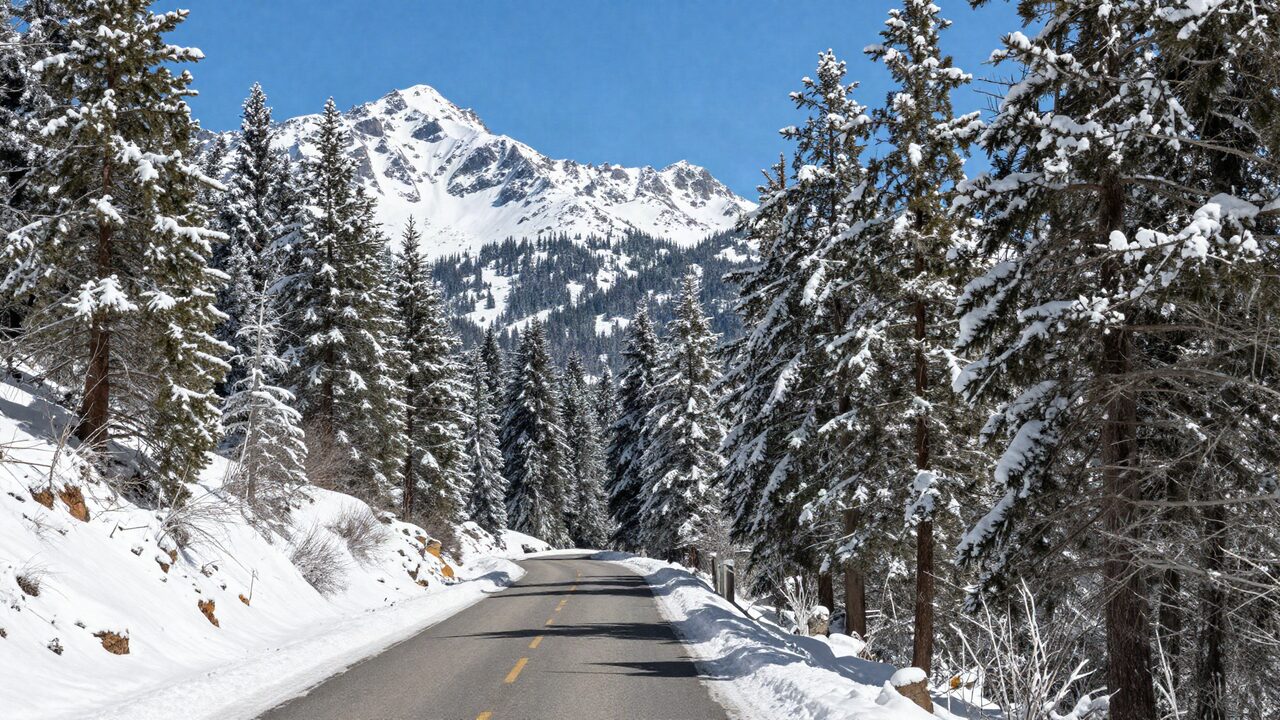
For snow play near Roseville, drive up Interstate 80 or Highway 50 into the Sierra Nevada and park at a California SNO-Park lot with a $15 day permit for each car. Pick a lot that suits sledding, check Caltrans chain controls that morning, and leave early with dry clothes for every child.
This guide covers the snow day itself: permits, picking a spot, chains, gear and timing. For skiing and the lake, see our Lake Tahoe trip from Roseville. For the rest of a winter week in town, see Roseville in winter.
Key takeaways
- Snow play from Roseville means a day trip up Interstate 80 or Highway 50 into the Sierra Nevada, not snow in town.
- Every car parked at a California SNO-Park lot needs its own permit from November 1 to May 30: $15 a day or $40 a season, with a $94.50 minimum fine without one.
- Not every SNO-Park suits sledding: the Donner Summit lot lists snow play but says there are no hills for sledding there.
- Caltrans chain controls run from R-1 to R-3; under R-3 every vehicle needs chains or traction devices, four-wheel drive included.
- Leave early with a full tank, dry clothes for every child and a set time to start home before dark.
In this guide
Why a snow day works for a mixed group
A snow play day gives a big group real snow without the cost and skill a ski day asks for.
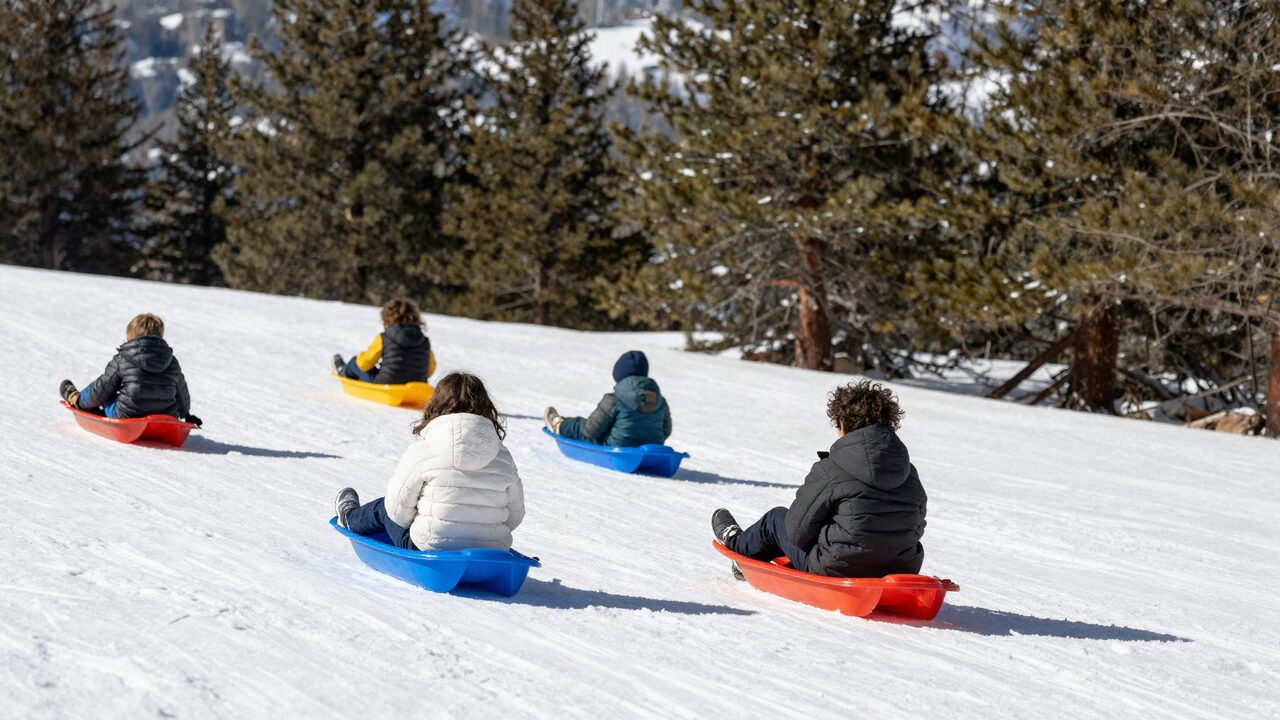
In a group of 10 to 16, a few people ski, a few have never seen snow and a few would rather watch from the car with a hot drink. Lift tickets and rentals for everyone add up fast, and a ski day splits the group across runs and lessons. A snow play day keeps everyone in one place: kids sled, teenagers build forts, adults take photos and the grandparents come too.
It is also short. You can drive up in the morning, play for a few hours, and be back at the house for an early dinner. That makes it easy to swap with a valley day if a storm comes in.
SNO-Park permits: what the state requires
Every vehicle parked at a California SNO-Park lot needs its own permit from November 1 to May 30.
California State Parks runs the SNO-Park program, which plows winter parking lots in the Sierra for non-motorized winter play, including cross-country skiing, dog sledding and snow play. The rules that matter for a group:
| Rule | What the state says | What it means for a group |
|---|---|---|
| Price | $15 per day or $40 per season | Two cars for one day is $30 |
| Per vehicle | A permit is required for each vehicle parked | Every car in your convoy needs one |
| Where it works | Valid at all SNO-Park lots | If one lot is full, drive to the next |
| Display | Left side of the dashboard, visible from outside | Put it out before you start unloading |
| No permit | $94.50 minimum fine | More than six day permits |
| Buying online | Visa, Mastercard, American Express, Discover or e-check, plus a $1.95 service fee per permit | Buy the night before |
| Parking | First come, first serve; no refunds if a lot is full | Arrive early on weekends |
The state also sells permits through vendors. For the Donner Summit lot, its page lists the Placer County Visitor Center in Auburn for drivers coming from Sacramento, which sits on your way up I-80 from Roseville.
A few more rules from the state's SNO-Park pages: it is against the law to park on highway interchanges, campfires are not allowed on paved areas, trash cans may not be provided so you pack out your own, and lots may close for Caltrans avalanche control. The state notes that some lots may not be cleared until the highway is, so right after a big storm a lot may not be open yet.
Picking a spot that suits sledding
Choose your lot by what the group wants to do, because not every SNO-Park has a sledding hill.
The state lists 18 SNO-Parks. The ones closest to a Roseville group are in what the state calls North Tahoe (Blackwood Canyon, Donner Summit and Yuba Pass) and South Tahoe (Echo Lake and Taylor Creek). Here is what the official pages say about the three you are most likely to use:
| SNO-Park | Road | Activities the state lists | Note for a group |
|---|---|---|---|
| Donner Summit | South side of I-80 at the Castle Peak exit | Cross-country skiing, dog sledding, snow play | Both official pages say there are no hills for sledding here |
| Echo Lake | North side of Highway 50 at Echo Lake Road | Cross-country skiing, dog sledding, snow play; no snowmobiles | No parking on the entry road |
| Yuba Pass | South side of Highway 49 at Yuba Pass | Cross-country skiing, dog sledding, snow play, snowmobiling | Snowmobile trails on both sides of the highway |
Donner Summit is the easiest to reach from Roseville, since it sits on I-80. Go knowing it is a snow play lot, not a sledding hill. Small children are often just as happy making snow angels, building a snowman and pulling each other on a sled on flat ground. The Donner Summit page also says the land next to the lot is private property with no recreational use allowed, so keep the group on the SNO-Park side.
If sledding runs are the point of the day, look at a commercial snow play or tubing area at a ski resort. These usually sell timed sessions, include a groomed slope and sometimes rent tubes. Check the current price and whether you need to book ahead on their site, because weekend sessions can sell out.
Chains and the drive: what Caltrans requires
Check Caltrans chain controls the morning you leave, and carry chains that fit your tires even if you drive a four-wheel drive car.
Caltrans uses three levels of chain control:
| Level | What Caltrans requires |
|---|---|
| R-1 | Chains on all vehicles except passenger vehicles and light trucks under 6,000 pounds gross weight. Cars with snow tires on at least two drive wheels are exempt but must carry chains. |
| R-2 | Chains or traction devices on all vehicles except four-wheel and all-wheel drive vehicles, which must still carry traction devices. |
| R-3 | Chains or traction devices on all vehicles, no exceptions. |
The speed limit under chain control is 25 or 30 miles an hour. When signs say chains are required, stop and fit them; the California Highway Patrol can cite and fine drivers who don't. Pull completely off the road to the right to fit them, never in a traffic lane, and after the "End of Chain Control" sign, keep going to a safe pull-off before you take them off.
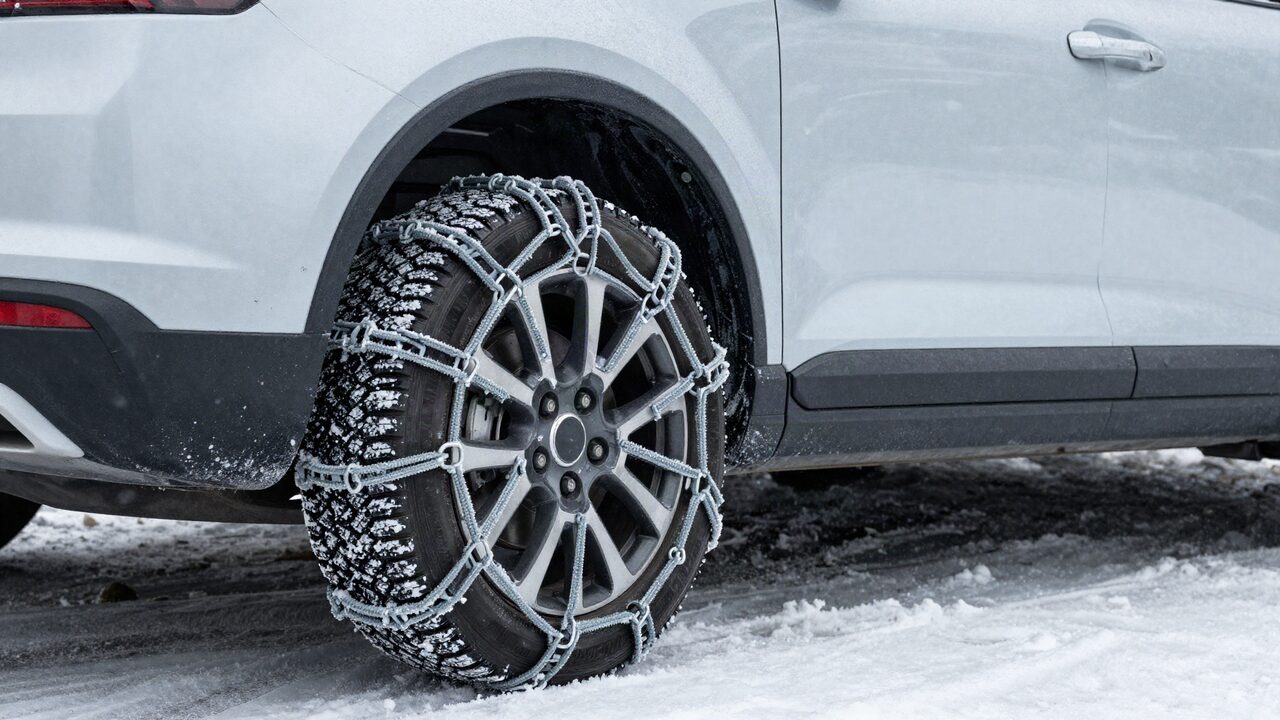
Chain installers work along the main routes in storms. Caltrans says they are independent businesses, not Caltrans staff, that they are not allowed to sell or rent chains, and that you should get a receipt with the installer's badge number. So buy chains before you leave Roseville.
Caltrans also suggests carrying an ice scraper, a broom for snow on the car, a shovel, sand or burlap for traction, and water, food and blankets in case of a long delay. Keep the gas tank full. For conditions, use Caltrans QuickMap online or call the Caltrans Highway Information Network at 800-427-7623.
Gear for kids and grandparents
Wet hands and cold feet end more snow days than bad weather, so pack for the coldest person in the group.
California State Parks gives three winter safety tips: dress in layers and avoid cotton, protect yourself from the sun, and bring extra supplies. Snow and altitude make sunlight stronger, so sunscreen, lip balm and sunglasses or goggles matter even on a cold day. The state also suggests extra water and food, a spare phone charger, matches or a lighter and a flashlight.
For a group, a simple checklist helps:
- Waterproof gloves and boots for every child, with a spare pair of gloves.
- Snow pants or rain pants over warm layers. Jeans soak through fast.
- A full change of dry clothes for each child, in a labeled bag in the car.
- Sleds or saucers, one for every two or three kids. Plastic sleds are cheap in the valley and can sell out in the mountains on a busy weekend.
- Hot drinks in thermoses, snacks and a packed lunch, since there may be no food at the lot.
- Towels and a tarp for the car floor and for kneeling to fit chains.
- A camp chair or two for anyone who wants to watch.
Our packing list for a winter group trip has the full list for the week.
Timing the day
Leave early, play at midday, and start home well before dark.
Weekend lots fill on a first come, first serve basis, and the state gives no refunds if your lot is full. An early start gets you a parking space, more time in the snow and a drive home in daylight. A day that works for most groups:
| Time | Plan |
|---|---|
| Night before | Buy permits, check the forecast, load chains, pack the dry-clothes bags |
| Early morning | Check Caltrans QuickMap, fill the tanks, leave Roseville |
| Mid-morning | Arrive, display permits, unload, play |
| Midday | Lunch in the warm car or at a table you brought |
| Early afternoon | One last run, change into dry clothes, pack up |
| Mid-afternoon | Start down the mountain ahead of the evening return traffic |
| Evening | Hot showers and dinner at the house |
If a big storm is forecast, pick a different day. The day after a storm, once the highway and lots are plowed, often has the best fresh snow and clearer roads. Our guide to winter storm travel delays covers what to do if the group gets held up.
Where to stay for a snow day trip
A large home in Roseville gives a group a warm, dry base after the snow, at valley prices.
The Roseville House has five bedrooms for up to 16 guests, with a movie theater, a pool table, a ping pong table and a private backyard, which keeps the evening easy after a long day outside. It also has free parking on the premises for the cars that went up the mountain. See the Roseville destination page for the area, or browse all our homes. Up to three pets can come, with a $100 pet fee per stay, and service animals stay free.
The bottom line
A snow play day from Roseville is a mountain day trip with a few rules. Buy a $15 SNO-Park permit for each car, pick a lot that matches what the group wants (Donner Summit is for snow play, not sledding runs), check Caltrans chain controls that morning, carry chains in every car, pack dry clothes for every child, and start home before dark.
Frequently asked questions
Where can we go sledding near Roseville?
The nearest snow is in the Sierra Nevada, up Interstate 80 toward Donner Summit or up Highway 50 toward Echo Summit. California's SNO-Park lots give winter parking for snow play, but not every lot has a sledding hill, so read the lot's page before you pick one.
How much is a SNO-Park permit?
California State Parks lists $15 for a day permit and $40 for a season permit, required from November 1 to May 30. Each parked vehicle needs its own permit, displayed on the left side of the dashboard. Buying online adds a $1.95 service fee per permit.
Is there sledding at the Donner Summit SNO-Park?
The lot lists snow play as a recommended activity, but both the California State Parks page and the Tahoe National Forest page for the site say there are no hills for sledding there. It suits building snowmen and playing in fresh snow more than sledding runs.
Do we need chains if our car has four-wheel drive?
You need to carry them. Under Caltrans R-2 controls, four-wheel and all-wheel drive vehicles can drive without chains on but must carry traction devices. Under R-3, chains or traction devices are required on every vehicle, with no exceptions.
Can we stop on the side of the highway to play in the snow?
No. Stopping on the roadside is dangerous for your group and for other drivers. Caltrans says to pull completely off the road to fit chains, and California State Parks says it is against the law to park on highway interchanges. Use a SNO-Park or another proper lot.
What should kids wear for a snow day?
Layers that are not cotton, waterproof gloves and boots, a warm hat, sunglasses and sunscreen. California State Parks notes that snow and altitude make the sun stronger. Pack a full change of dry clothes for every child in the car.
Sources
- California State Parks OHV: SNO-Park program
- California State Parks OHV: SNO-Parks overview and rules
- California State Parks OHV: SNO-Park permits
- California State Parks OHV: Donner Summit SNO-Park
- California State Parks OHV: Echo Lake SNO-Park
- California State Parks OHV: winter safety
- Tahoe National Forest: Donner Summit Snowpark
- Caltrans: chain controls
- Caltrans: winter driving tips