Quick answer
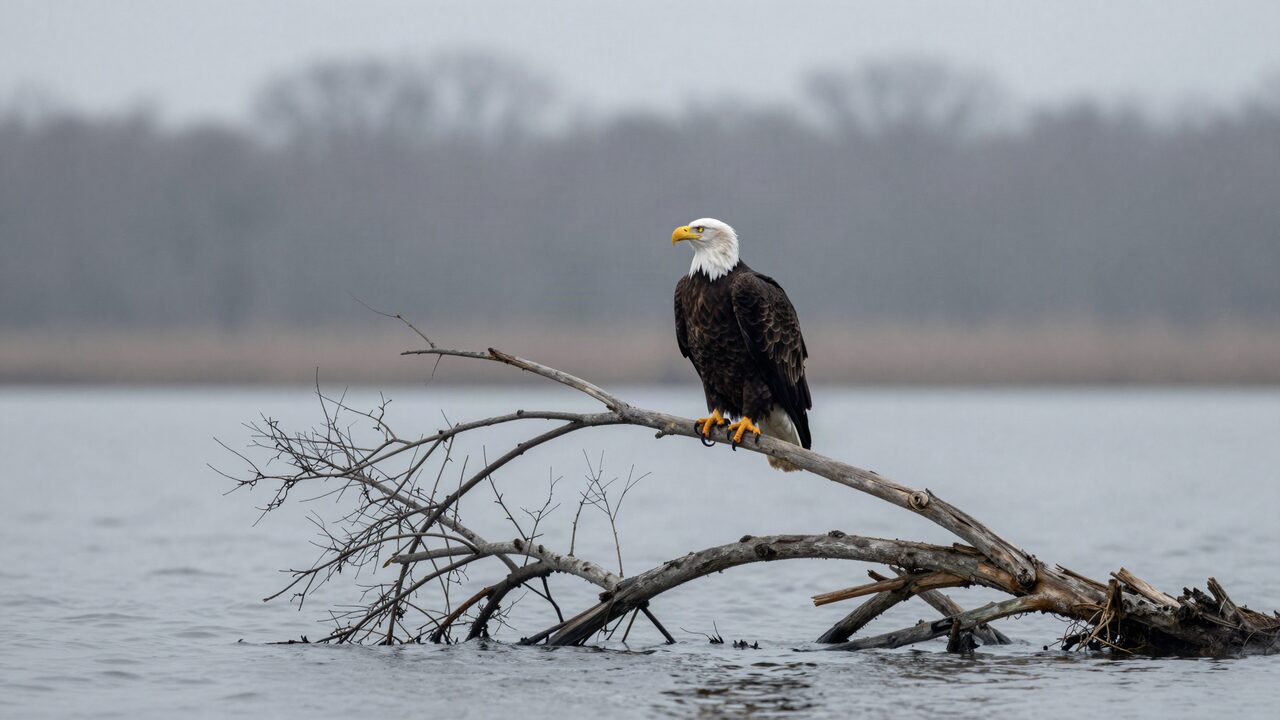
Yes, Lake Anna is a good place to watch birds in winter. Bald eagles hunt along its quieter shores all year, and from late fall to early spring the open water fills with ducks, loons and sometimes tundra swans. Start at Lake Anna State Park on a calm morning with binoculars, warm layers and a thermos, and expect the best views in the first few hours of light.
Key takeaways
- Bald eagles live around Lake Anna all year, and winter adds rafts of ducks, common loons and sometimes tundra swans out on the open water.
- Lake Anna State Park is the easiest place to start: open dawn to dusk all year, with shoreline, woods and fields, and 179 species reported on eBird.
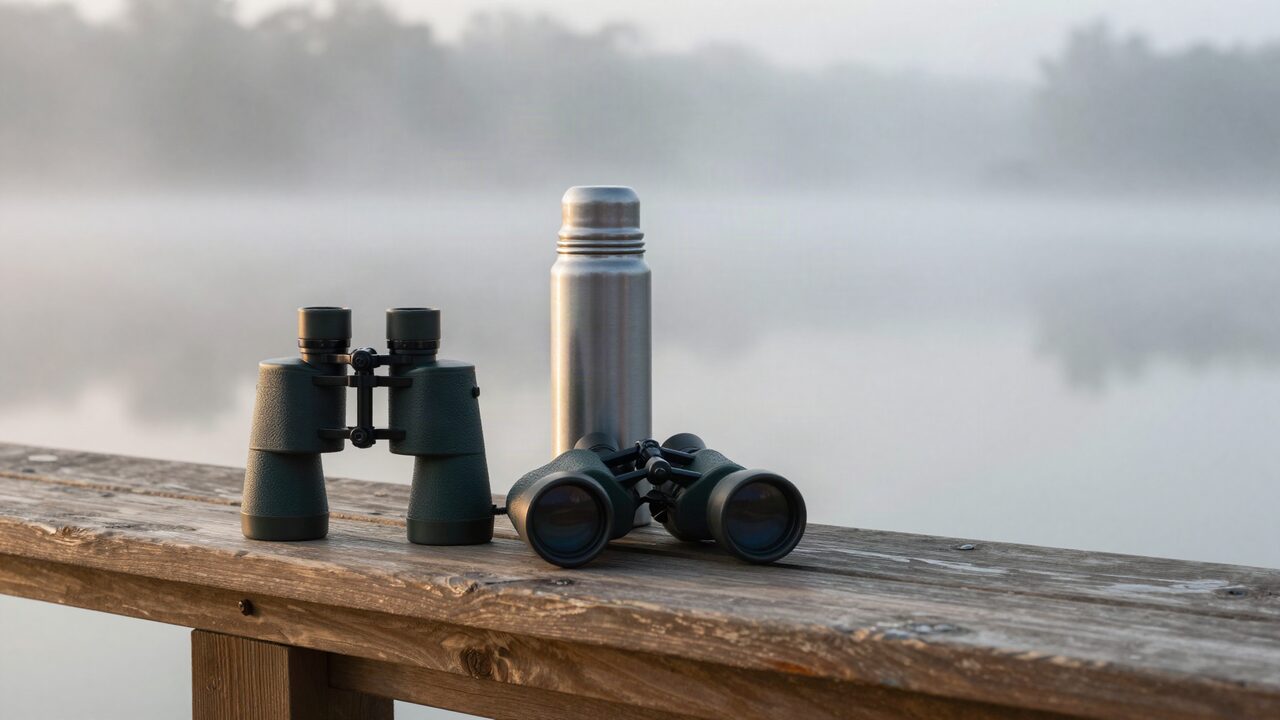
- Binoculars matter more than anything else, because winter waterbirds tend to sit far offshore. A spotting scope helps if someone in the group has one.
- Go on a calm, bright morning, dress in drab layers, and give waterfowl hunters and resting birds plenty of room.
- Check the park's events calendar for ranger programs; when we checked, nothing was listed for December to February.
In this guide
Why winter is a good season for birds at Lake Anna
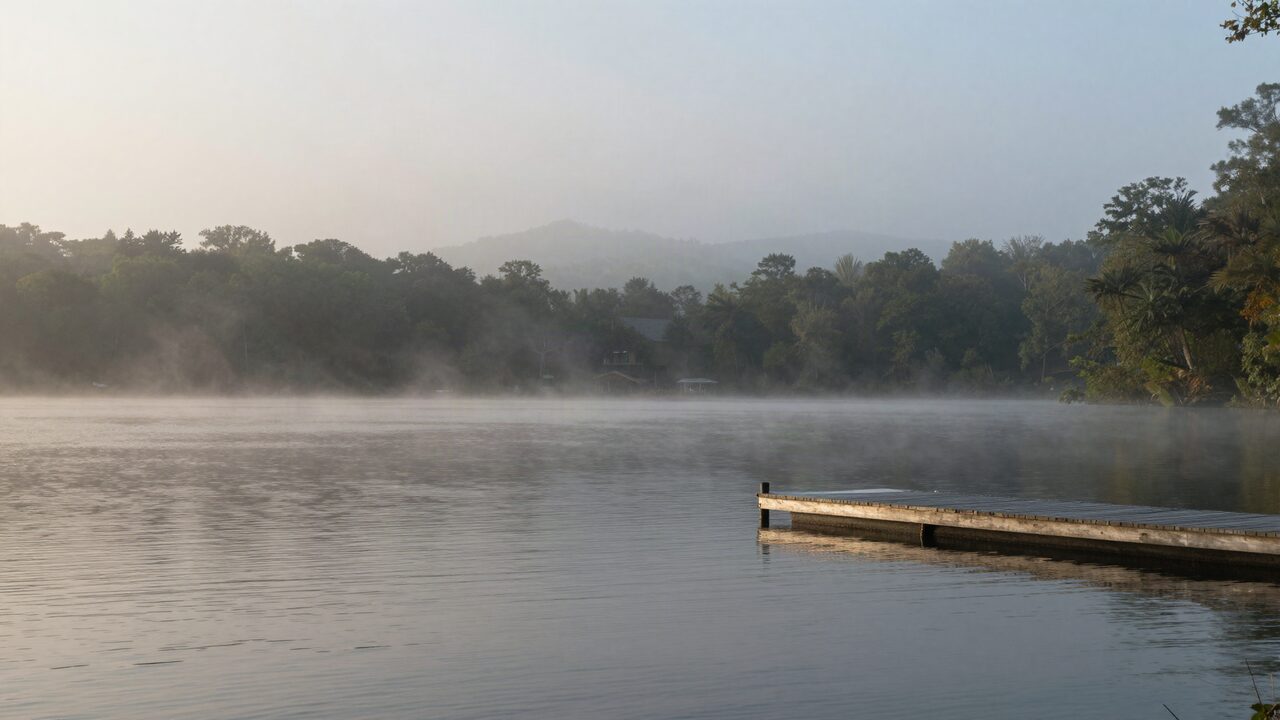
Winter brings more birds to the open water and fewer people to the shore, which makes it one of the best times to watch.
This guide sticks to the birds. For the rest of a winter trip, see Lake Anna in winter, and for trails, picnic areas and the beach, see our Lake Anna State Park guide for groups.
Virginia DWR describes the state's winter visitors as migratory ducks, geese, swans and some songbirds that breed farther north, joining the birds that live here all year. Most of them gather on the coast, but DWR also names central Virginia lakes and reservoirs as winter stops, and Lake Anna State Park is on its list.
Two other things help. The leaves are down, so a perched eagle or a woodpecker on a trunk stands out against bare branches. And the summer crowds are gone. DWR's Virginia Bird and Wildlife Trail page notes that the park often reaches capacity on weekends and holidays in the busy season. On a weekday in January you may have a stretch of shoreline to yourselves.
The trade-off is weather. Short days, wind and cold limit how long people want to stand still, so a winter birding outing works best as a morning with a warm house to go back to.
What you might see
Lake Anna has eagles all year and a different mix of waterbirds and songbirds in winter.
The Virginia Bird and Wildlife Trail page for Lake Anna State Park lists these, and says 179 species have been reported in the park on eBird:
| Where | What to look for | Tips |
|---|---|---|
| Open water offshore | Ring-necked ducks, redheads, greater and lesser scaup, common loons, occasionally tundra swans | Scan slowly with binoculars; they often sit far out |
| Shoreline and quiet coves | Bald eagles | Check the tops of tall trees along the water |
| Woodland edges | Wild turkeys | Early morning, at the edge of fields |
| Open fields and fence posts | Eastern bluebirds, eastern phoebes | Watch fence lines and low perches |
| Woods | Tufted titmice, chickadees, northern flickers, hermit thrushes | Listen first, then look |
DWR's statewide winter article adds species that turn up on Virginia's inland waters and woods in the cold months, including hooded mergansers, buffleheads, American coots, ruby-crowned kinglets and dark-eyed juncos. Juncos often feed on seed dropped under bird feeders, so keep an eye on the ground near any feeder you pass.
Bald eagles: how to find and identify them
Look for eagles high in trees at the water's edge, or flying low over quiet coves, where they hunt for fish.
DWR's trail page says bald eagles patrol the banks of Lake Anna and hunt in the quieter, less accessible parts of the lake. Audubon's field guide describes how they feed: an eagle watches from a high perch, then swoops down to take a fish in its talons. It also cruises low over the water, and it will steal food from ospreys and other eagles. Fish make up most of its diet when they are available.
Some identification notes from Audubon that help a group:
- Size. Adults have a wingspan of about 6 feet 8 inches, and females are larger than males. In flight, an eagle looks like a flying plank compared with a gull.
- Adults. White head and white tail on a dark brown body.
- Young eagles. Dark brown with some whitish mottling on the wings and tail. Older juveniles can look whiter on the body. Audubon says the full white head and tail come in at about 5.5 years, so a big dark bird near the water may still be an eagle.
Where to look at Lake Anna State Park
The state park is the easiest place for a group to start, because it combines shoreline, woods and open fields in one place with parking and restrooms.
DWR describes the park as about 2,300 acres on the upper north shore of the lake, with Pigeon Run along its eastern edge. Virginia DCR lists these basics, checked today:
- Hours. The park is open dawn to dusk all year. After Labor Day the gate opens at 5am for anglers and waterfowl hunters.
- Park office. Daily from 9am to 4pm. It may close when staff are not available.
- Visitor center. Saturdays and Sundays from 10am to 4pm off-season, with wildlife and history exhibits. It may also close when staff are not available, so confirm before you plan around it.
- Trails. 11 trails with more than 15 miles in all. Big Woods, Pigeon Run and Gold Hill are rated more difficult; the rest are rated easy.
- Parking. A daily parking fee applies. Check the current price on their site.
For birding, think in habitats rather than named spots. Walk an easy trail through the woods for songbirds, stop where the trail meets the shoreline to scan the water and the tall trees, and check field edges on the way back to the car. You do not need to cover much ground; standing still at a good view of the water often shows you more than walking.
Ranger programs and the Christmas Bird Count
The park runs ranger programs through the year, but check the official calendar for winter dates rather than counting on a bird walk.
When we checked the Virginia State Parks events page today, the upcoming Lake Anna programs were in late November and none were bird programs. Nothing was listed yet for December to February. Calendars fill in closer to the season, so look again a few weeks before your trip, or call the park office. If a winter bird hike appears, build your morning around it; a ranger knows where the birds have been that week.
The other winter option is the Christmas Bird Count. Audubon describes it as the longest-running bird count, started in 1900, with volunteers counting birds inside set circles. Each circle's leader picks one day between December 14 and January 5. You need to arrange it in advance with the local leader through Audubon's Circle Finder, and no expertise is needed: first-timers are often paired with experienced counters. Check the Circle Finder for counts near Lake Anna and their dates.
For a family group over the holidays, joining a count gives the morning a purpose and puts the kids alongside people who know the birds.
What to bring
Good optics and warm clothes make the difference between a 20-minute outing and a full morning.
DWR's winter birding advice is to dress in layers, wear drab colors so you blend in, and bring binoculars or a spotting scope, because waterbirds are often far away. Its waterfowl article suggests picking a relatively warm, sunny day with calm winds.
| Item | Why it helps | Group tip |
|---|---|---|
| Binoculars | Ducks and loons often sit far offshore | One pair for every two or three people |
| Spotting scope | Turns a distant dot into a scaup or a loon | One per group is plenty |
| Muted, warm layers | Cold mornings by the water; birds notice bright colors | Add a hat, gloves and a warm base layer |
| Thermos and snacks | Standing still gets cold fast | A hot drink keeps kids interested |
| Bird ID app or field guide | Helps put names to sightings | Let the kids keep the list |
| Small notebook | Record what you saw and where | Compare notes over breakfast |
If you are going out on the water instead, DWR's advice is to wear a life jacket at all times in winter and to check the weather first. Cold water is dangerous even on a sunny day.
A quiet morning plan for a group
The best plan is short: be at the water early, walk slowly for two or three hours, and be back at the house for a late breakfast.
Example: a group of ten on a Saturday in January, with grandparents, parents and three kids.
| Time | Plan |
|---|---|
| Before dawn | Coffee at the house; pack binoculars, thermoses and snacks |
| Shortly after sunrise | Arrive at the park; pay the parking fee |
| First hour | Short easy trail through the woods, listening for songbirds |
| Second hour | Stop at the shoreline to scan the water and tall trees for eagles, ducks and loons |
| Mid-morning | Visitor center if it is open; restrooms and warm-up |
| Late morning | Back at the house for a big breakfast and the bird list |
A few things that keep a group birding together:
- Split into small pods of three or four, each with binoculars, and agree on a meeting time.
- Give the slowest walkers the best view of the water and let the restless ones scout ahead.
- Keep voices low near the shore; DWR asks visitors not to scare or disturb birds that are resting, feeding or sleeping.
- Bring the bird list home. Kids enjoy checking off what they saw against an app or book over breakfast.
Where to stay for a winter bird trip
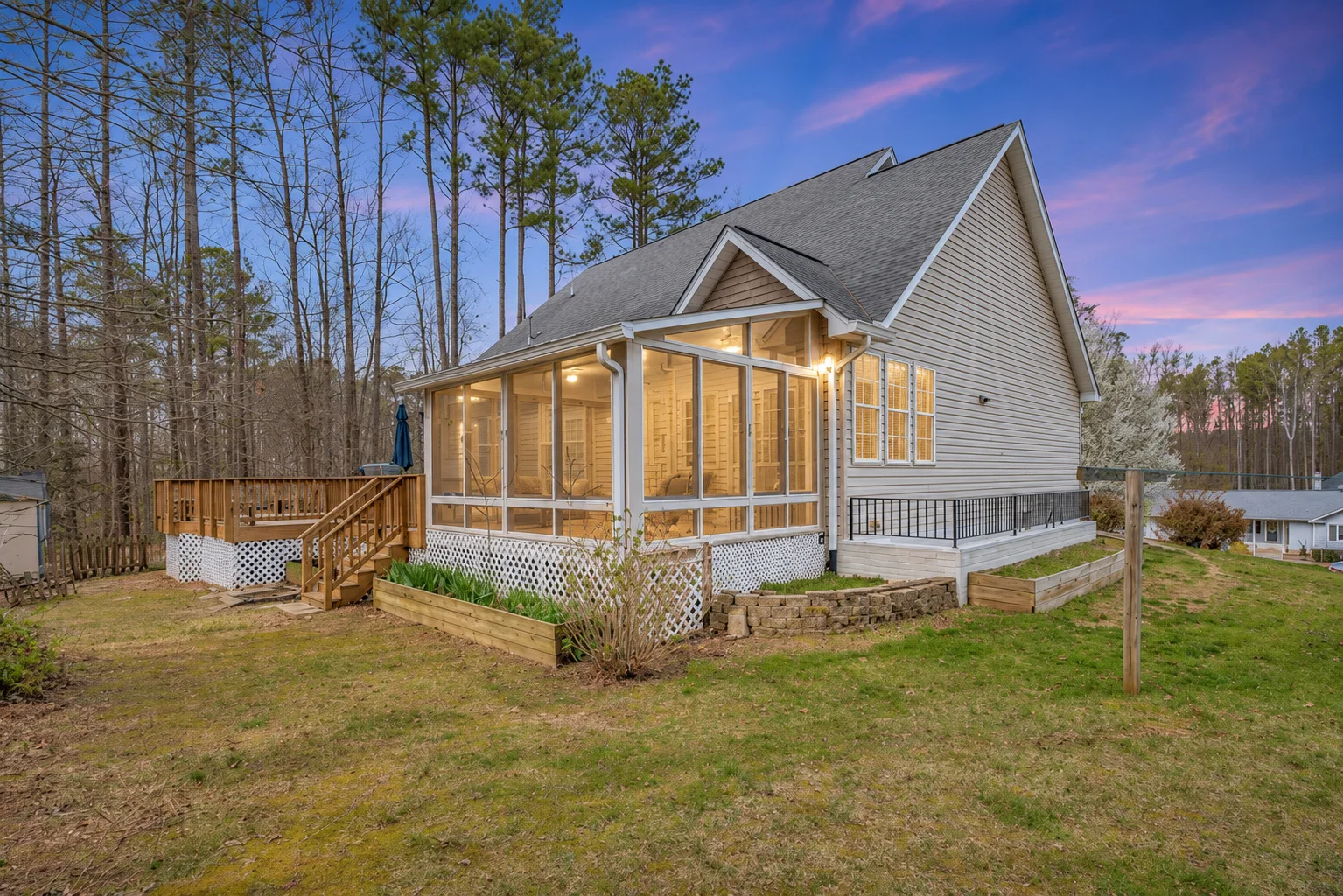
A lake house gives the group a warm base before and after early mornings, and room to spread out on the days the weather keeps everyone in.
Our Lake Anna House has a fully equipped kitchen for the post-birding breakfast, a screened porch, and a movie lounge and game room for the afternoons. Pets are welcome: up to 3, with a $100 pet fee per stay, and service animals stay free. Stays booked directly come with our Stay Promise: "If the home isn't as described, or something important stops working, such as the air conditioning or heat, hot water, Wi-Fi or the pool, tell us. If we can't fix it within 24 hours, we refund the nights affected or move your group to a similar home."
See our Lake Anna destination page for the area, what's on at Lake Anna for upcoming events, and our group getaways page if you are planning a friends' weekend or a reunion.
The bottom line
Winter is a good time to watch birds at Lake Anna: eagles along the shore, ducks and loons on the open water, and quiet trails. Go to the state park on a calm, bright morning, bring binoculars and warm drab layers, check the DCR calendar for ranger programs and the Audubon Circle Finder for a Christmas Bird Count, and plan to be back at the house for breakfast.
Frequently asked questions
Can you see bald eagles at Lake Anna in winter?
Yes. The Virginia Bird and Wildlife Trail page for Lake Anna State Park says bald eagles patrol the banks of the lake and hunt in its quieter, less accessible parts. They are around all year, and bare winter trees make them easier to spot.
What birds are at Lake Anna in winter?
Virginia DWR lists ring-necked ducks, redheads, greater and lesser scaup, common loons and occasionally tundra swans offshore in winter, along with eagles. In the woods and fields, look for bluebirds, flickers, titmice, chickadees and hermit thrushes.
Is Lake Anna State Park open in winter?
Yes. The park is open dawn to dusk every day of the year. The park office is open daily from 9am to 4pm and the visitor center on Saturdays and Sundays from 10am to 4pm, though either may close when staff are not available. A daily parking fee applies; check the current price on their site.
Does Lake Anna State Park run bird walks?
The park has offered winter bird hikes and other ranger programs in past seasons, but when we checked, its events calendar listed nothing for December to February. Check the Virginia State Parks events page closer to your dates or call the park office.
What should we bring for winter bird watching?
One pair of binoculars for every two or three people, a spotting scope if you have one, warm layers in muted colors, gloves, a hat, a thermos and snacks. A phone app or field guide helps the group put names to what it sees.
Can beginners or kids join a Christmas Bird Count?
Yes. Audubon says no expertise is needed and first-timers are often paired with experienced counters. Each count happens on one day between December 14 and January 5, and you sign up in advance with the local count leader through Audubon's Circle Finder.
Sources
- Virginia DCR: Lake Anna State Park
- Virginia DCR: Virginia State Parks events
- Virginia DWR: Virginia Bird and Wildlife Trail, Lake Anna State Park
- Virginia DWR: Get outdoors this winter to see Virginia's winter birds
- Virginia DWR: Watching winter waterfowl by water
- National Audubon Society: Bald Eagle field guide
- National Audubon Society: Christmas Bird Count