Quick answer
To feed a group with allergies and dietary needs, survey every guest before you shop, label allergy-safe food and keep it on its own shelf, prep it separately and first, and plan every dinner so one main and one side work for everyone. For meals out, call the restaurant ahead and talk to a manager.
Key takeaways
- Survey every guest about allergies and diets at least three weeks before the trip, and ask how severe each one is.
- The FDA recognizes nine major food allergens: milk, eggs, fish, crustacean shellfish, tree nuts, peanuts, wheat, soybeans and sesame.
- Give allergy-safe food its own shelf, its own labels and its own board and knife, and cook it first.
- FARE says soap and water remove food protein from surfaces; plain water and hand sanitizer do not.
- When eating out, call ahead, ask for a manager, go early in the service and bring a chef card.
In this guide
Start with a survey, three weeks out
Ask about food needs before anyone writes a shopping list, because a single allergy can change half the menu.
This guide covers what a normal meal plan skips: keeping a guest with a peanut allergy, celiac disease or a vegan diet fed and safe in a shared kitchen. For who cooks which night and a full shopping list, see our group meal plan for a vacation rental weekend.
Send the survey at least three weeks before the trip, to every adult or to one contact per household. Keep it short enough that people answer it the same day. These are the questions that matter:
- Allergies. Which foods, and how severe? Is it a reaction to eating the food, or also to traces on a shared surface?
- Emergency medicine. Who carries epinephrine or other medicine, and where will they keep it in the house?
- Medical diets. Celiac disease, diabetes, a low-sodium or kidney diet, anything a doctor has set.
- Chosen diets. Vegetarian, vegan, halal, kosher, dairy-free by choice, no pork, no alcohol in food.
- Strong dislikes. Not a safety issue, but worth knowing for a group dinner.
- Who cooks for them. Do they want to cook their own food, check labels themselves, or trust the group?
The last question saves a lot of worry. Many people with serious allergies or celiac disease have years of practice and prefer to handle their own food. Others are happy to hand over a list of safe brands. Ask, rather than guess.
Know the nine major allergens
Most allergy planning comes down to nine foods, and U.S. labels are built around them.
The FDA recognizes nine major food allergens: milk, eggs, fish, crustacean shellfish, tree nuts, peanuts, wheat, soybeans and sesame. Sesame became the ninth on January 1, 2023, under the FASTER Act. FARE notes that nearly any food can trigger a reaction, but these nine cause the majority of them.
The CDC describes a food allergy as the immune system mistakenly responding to food as if it were harmful, and says there is no cure: strict avoidance of the allergen is the only way to prevent a reaction. It also describes anaphylaxis as a sudden and severe allergic reaction that may cause death. That is why the survey asks about severity and medicine, not just the food.
| Allergen | Where it hides in group cooking | Common swap |
|---|---|---|
| Milk | Butter, cheese, cream sauces, some breads | Olive oil, dairy-free spreads |
| Eggs | Baked goods, mayonnaise, breaded foods | Recipes written without egg |
| Peanuts | Sauces, trail mix, baked goods, granola | Sunflower seed butter, if safe for them |
| Tree nuts | Pesto, desserts, granola, salads | Seeds, if safe for them |
| Wheat | Pasta, bread, flour gravy, soy sauce | Certified gluten-free products |
| Soybeans | Soy sauce, tofu, many packaged foods | Check labels case by case |
| Sesame | Buns, hummus, dressings, Asian sauces | Check labels; buns often carry seeds |
| Fish | Caesar dressing, Worcestershire sauce | Fish-free dressings |
| Crustacean shellfish | Seafood boils, some broths and sauces | Cook a separate main |
FARE adds two details that matter for a group menu. Peanuts are legumes, not tree nuts, so a peanut allergy is not the same as a tree nut allergy. And crustaceans (shrimp, crab, lobster) and mollusks (clams, mussels, oysters, scallops) are separate groups, so ask which one a guest reacts to.
Read labels the way the law writes them
Labels tell you a lot, but only if you know what they are and are not required to say.
The FDA requires a packaged food to name a major allergen's source at least once, in one of two ways: in parentheses after the ingredient, such as "whey (milk)", or in a "Contains" statement next to the ingredient list, such as "Contains wheat, milk, and soy."
Two things catch groups out:
- "May contain" is voluntary. The FDA says advisory statements such as "may contain" or "made in a facility with" are not required by law. A package without one is not a promise that it is free of traces.
- Old stock can miss sesame. Products already on shelves before 2023 did not have to be relabeled, and FARE notes they may still contain unlabeled sesame. This matters most for pantry items that sit in a cupboard for a long time.
The practical rule: the person with the allergy, or the person they trust, approves the brands. Write the exact product names on the shopping list, and tell whoever shops not to substitute without asking. A different brand of the same sauce can have a different label.
Set up the kitchen: shelves, labels and colors
The simplest way to keep safe food safe in a shared kitchen is to give it its own place and make it easy to spot.
FARE's advice for allergy-safe homes translates well to a rental. It suggests assigning specific pantry and fridge shelves to safe and unsafe foods, storing food in sealed containers, and labeling either the problem foods or the safe foods, whichever is easier. Color-coded stickers help.
How to do it on arrival day:
- Claim a shelf. Top shelf of the fridge and one cupboard shelf for allergy-safe food. Top is better, because nothing drips onto it.
- Label everything open. A roll of masking tape and a marker do the job. Write the name of the person it is safe for, not just "GF", so a teenager raiding the fridge understands.
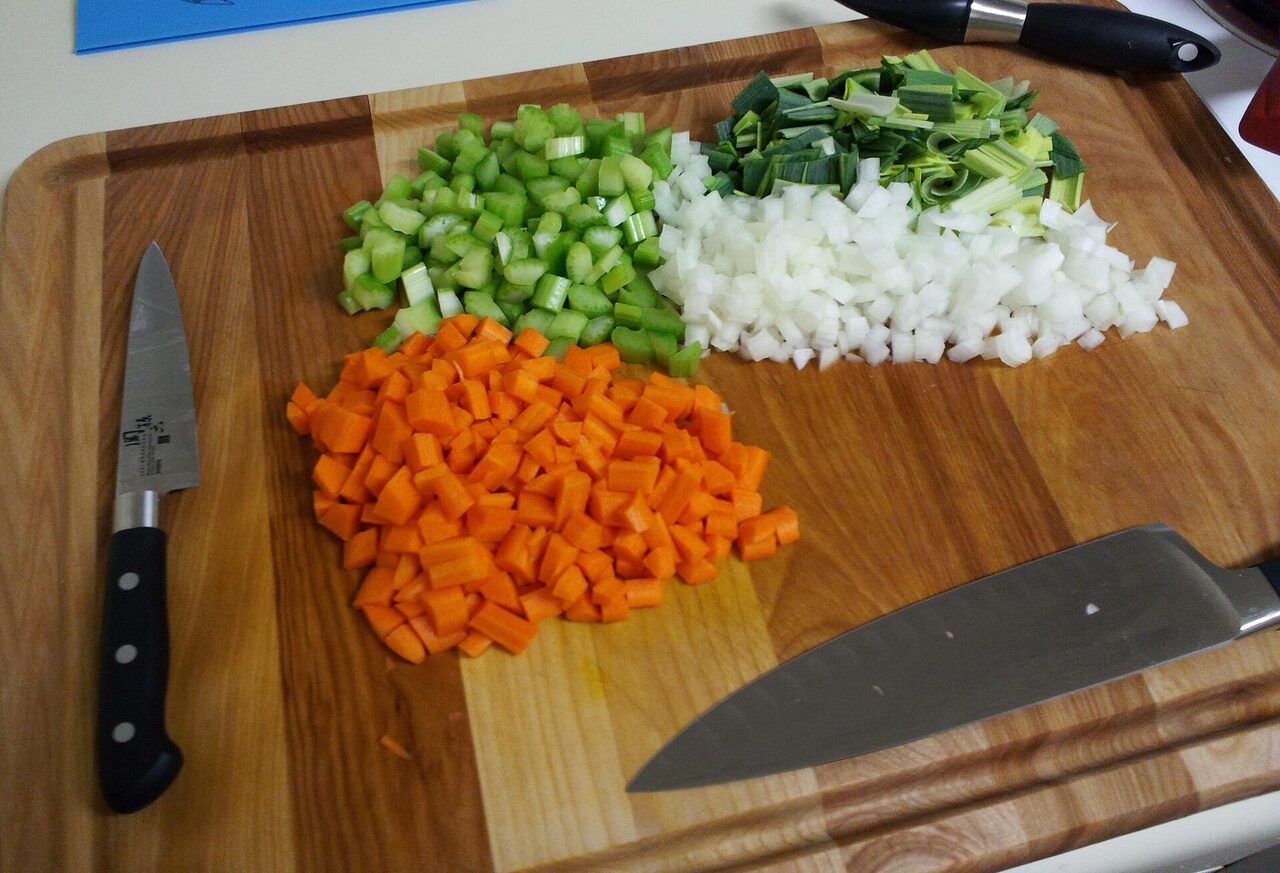
- Bring a colored set. One cutting board, one knife, one set of serving spoons and one colander in a color no one else uses. FARE suggests separate utensils, and some families use separate dishes in a different color.
- Keep leftovers apart. Safe leftovers go back on the safe shelf in sealed, labeled containers.
Prep separately, and cook safe food first
Cross-contact happens most at the counter and the stove, so order and cleaning matter more than recipes.
Cook the allergy-safe dish first, on clean tools, then cover it and set it aside before the rest of the meal starts. A pan that has just browned butter or toasted nuts is not safe until it has been washed.
Clean with soap and water. FARE says that to remove food protein from surfaces you should wash them with soap and water, and that plain water and hand sanitizer are not effective at removing food allergens. Clean counters, boards, knives, spoons, measuring cups and bowls between foods, and ask everyone to wash their hands before and after meals.
Mind the air. FARE notes that some cooking puts allergens in the air, such as boiling milk, frying fish or eggs, or using powdered milk or wheat flour, and that a person with an allergy may need to stay at a distance while that happens.
Serve the safe dish first, with its own spoon. At a buffet-style dinner, shared spoons travel between dishes. Plate the allergy-safe portion before the rest of the table helps themselves, or keep it in the kitchen with a label.
Build a menu everyone can eat
The easiest menus are built from a safe base with add-ons on the side, so nobody gets a separate, sadder plate.
Plan each dinner so at least one main and one side work for everyone, and let people add the things others cannot eat. Build-your-own meals do this well:
| Meal | Safe base | Add-ons on the side |
|---|---|---|
| Taco or burrito bar | Corn tortillas, rice, beans, grilled chicken or vegetables | Cheese, sour cream, flour tortillas |
| Grill night | Plain grilled meat, fish or vegetables, salt and oil only | Sauces, buns, butter |
| Rice bowls | Rice, roasted vegetables, plain protein | Soy sauce, sesame, nuts, eggs |
| Baked potato bar | Potatoes, vegetables, beans | Butter, cheese, bacon |
| Breakfast | Fruit, plain oats, eggs if safe | Granola, milk, pastries |
A few habits help:
- Keep sauces and toppings in separate bowls, each with its own spoon, rather than mixed into the main dish.
- Cook one vegetarian main whenever the group has a vegetarian, and make it good enough that others want some. Make a bit more than you think.
- Check dessert last. FARE notes that restaurant desserts often come from outside suppliers, and the same caution applies at home. A store-bought cake for a birthday dinner needs the same label check as everything else, or a safe one bought separately.
Eating out as a group
Restaurants can work for a group with allergies, but the planning happens before you sit down.
FARE's dining-out advice fits a group dinner well:
- Pick carefully. Review the menu online. FARE flags buffets, bakeries, restaurants that serve pre-made food and restaurants that use your allergen often as higher risk.
- Call ahead and ask for a manager. Tell them the size of the group and the allergies. A big party plus a serious allergy is easier for a kitchen to handle with notice.
- Go early. FARE suggests eating during the first hour of service, when staff are more attentive and the kitchen is cleaner.
- Bring a chef card. It is a wallet-sized card that lists the allergies; give it to the server and ask that it goes to the chef. FARE offers a template.
- Carry the medicine. FARE says to always carry an epinephrine auto-injector and any other prescribed medicine.
- Keep the order simple. FARE suggests avoiding fried foods, because shared fryer oil and grills carry cross-contact risk.
If staff seem unsure, FARE's advice is to trust your instincts and ask for another staff member or a manager, and sometimes to eat elsewhere. For a group, have a backup plan: a safe meal in the freezer at the house means the person with the allergy is never stuck. For choosing restaurants that seat big parties, see our guides to eating out in Sacramento with a large group and restaurants in Kissimmee for big groups.
Pick a house that makes this easier
A full kitchen is the biggest single help for a group with dietary needs, because you control every ingredient.
A large rental gives you the fridge space for a separate shelf, enough counter to prep two things at once and a dining table where everyone eats the same meal. Our group homes have full kitchens with cooking basics, and you can bring your own colored boards and tools. If you are planning a reunion, our family reunions page covers the rest of the trip, and for a stock-up list, see our guide to Lake Anna groceries and supplies.
The bottom line
Feeding a group with allergies and dietary needs is mostly planning: a survey three weeks out, a shopping list with exact brands, a labeled shelf, a colored board and knife, and safe food cooked first. Build meals from a base everyone can eat, keep toppings on the side, and call restaurants before you go. Ask the person with the allergy what they want, and let them decide what is safe.
Frequently asked questions
How do I find out about dietary needs before a group trip?
Send a short survey to every guest, or to one contact per household, at least three weeks before the trip. Ask about allergies and how severe they are, medical diets such as celiac disease, chosen diets such as vegetarian or halal, and strong dislikes. Ask who carries epinephrine, if anyone does.
What are the major food allergens in the United States?
The FDA lists nine: milk, eggs, fish, crustacean shellfish, tree nuts, peanuts, wheat, soybeans and sesame. Sesame became the ninth on January 1, 2023, under the FASTER Act. Packaged foods must name these allergens on the label.
Are "may contain" labels required by law?
No. The FDA says advisory statements such as "may contain" are not required by law. A product without one is not proof that it is free of cross-contact, so a guest with a severe allergy should decide which products are safe for them.
How do you stop cross-contact in a shared vacation rental kitchen?
Keep allergy-safe food on its own labeled shelf, give it its own cutting board, knife and serving spoons, cook it before anything else, and clean counters and tools with soap and water between foods. FARE notes that plain water and hand sanitizer do not remove food allergens.
Can a group with food allergies eat out at restaurants?
Yes, with planning. FARE suggests reviewing the menu online, calling ahead to speak with a manager, eating during the first hour of service, bringing a chef card that lists the allergies, and carrying epinephrine and any prescribed medicine. Buffets and bakeries carry more risk of cross-contact.
Who should cook for the guest with the allergy?
Ask them. Many people with serious allergies or celiac disease prefer to cook their own food or check every label themselves. Offer the choice, buy what they ask for, and never swap a product they picked without asking.