Quick answer
Winter whale watching from Antioch means gray whales, which pass the Bay Area coast from December through May. For a boat, ride BART to San Francisco for a tour from Pier 39 or drive to Monterey. For free viewing from shore, go to the Point Reyes Lighthouse or Chimney Rock on a calm day.
Key takeaways
- Gray whales pass Point Reyes from December through May, and the National Park Service says December or January is the time for the southbound migration.
- From Antioch, the closest boat tours leave from Pier 39 in San Francisco, and Monterey Bay Whale Watch runs year-round tours from Monterey's Fisherman's Wharf.
- San Francisco Whale Tours lists its winter Golden Gate Whale Watch and Beyond at $150 for adults, with a sale price of $80.25 when we checked.
- For free whale watching from shore, the Point Reyes Lighthouse and Chimney Rock areas are the park's top spots, but pets are not allowed there.
- Take a seasickness preventative before you board, dress in warm waterproof layers, and pick a calm day with little wind.
In this guide
When the gray whales pass
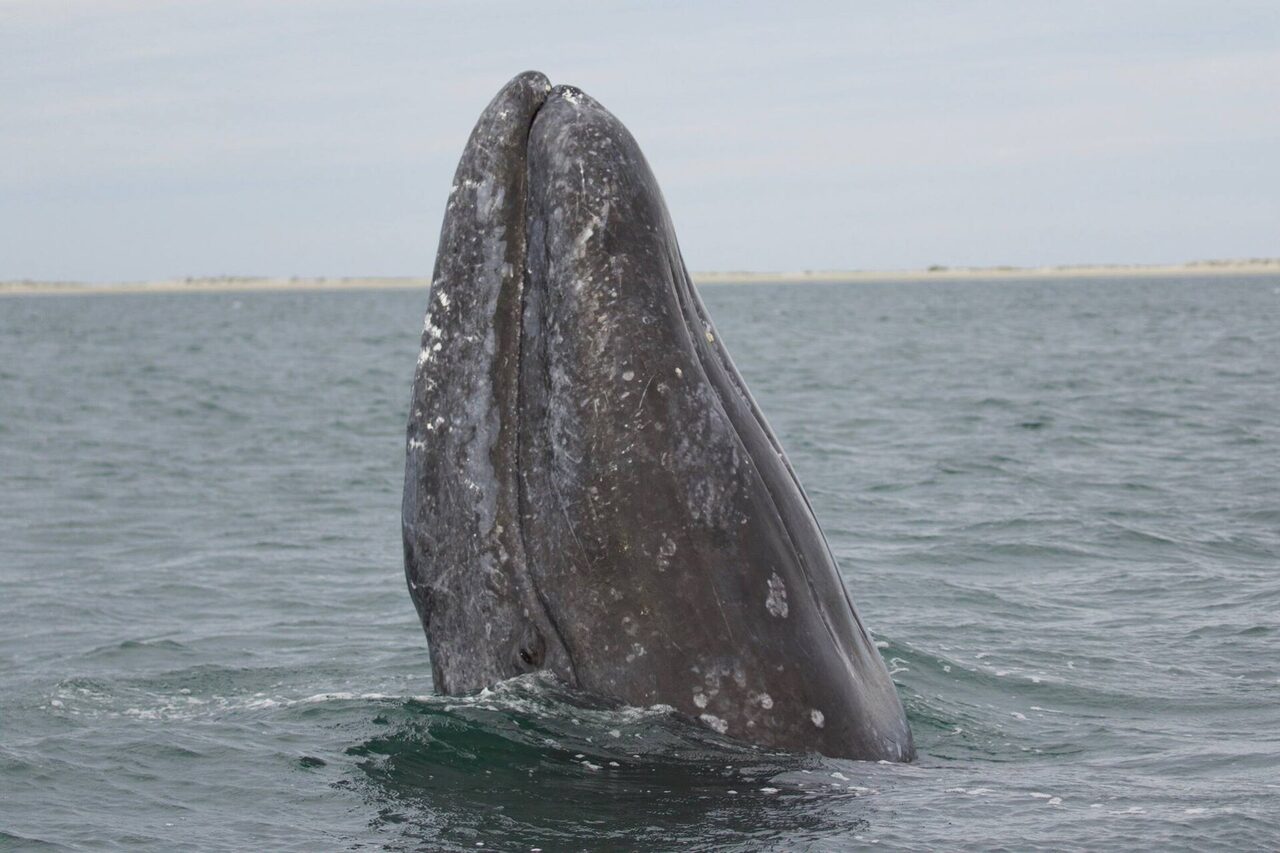
Gray whales pass the Bay Area coast twice a year, heading south in early winter and north in spring, and the National Park Service says they can be seen off Point Reyes from December through May.
NOAA Fisheries says most of this population spends the summer feeding in the northern Bering and Chukchi seas, then travels south along the coast of North America to winter in Mexico. Calves are born during the migration or in the shallow lagoons and bays of Mexico from early January to mid-February. The round trip is about 10,000 miles, and in some cases more than 14,000. An adult can grow to about 49 feet long and weigh about 90,000 pounds.
The park's own advice on timing:
| When | What you may see | Source |
|---|---|---|
| December and January | Gray whales heading south | National Park Service |
| January through April | The best of the migration overall | National Park Service |
| Mid-February to May | Gray whales heading north along the West Coast | NOAA Fisheries |
| Late April to early May | Mothers and calves heading north | National Park Service |
So a December trip catches the southbound whales, and a spring break trip catches them coming back. Winter boat tours from San Francisco can also turn up humpback whales, porpoises, seals, sea lions and seabirds.
Boat tours that take groups
The two operators below run whale watching tours a group from Antioch can reach in a day. Every price here is from the operator's own site on November 27, 2026.
San Francisco Whale Tours leaves from Pier 39. In winter it runs Golden Gate Whale Watch and Beyond, listed for November to January. The tour page describes it as three to four hours and lists it at four hours, with possible sightings of humpback and gray whales, porpoises, seals, sea lions and seabird colonies. From February the company switches to its shorter Golden Gate Whale Watch, listed at two and a half hours and running February to October.
| Golden Gate Whale Watch and Beyond | Listed price | Sale price when we checked |
|---|---|---|
| Adult, 13 and up | $150 | $80.25 |
| Child, 3 to 12 | $120 | $64.20 |
| Senior, 60 and up | $130 | $69.55 |
| Student or military | $130 | $69.55 |
| Age 2 and under | Free | Free |
For a whole group on one boat, the company lists a Sunset Private Charter for groups of up to 80 guests on a 65-foot catamaran, two hours long, listed from $1,926 with a sale price of $1,284 when we checked. It is sold as a sunset charter, so ask the operator whether a winter charter can go out to look for whales.
Monterey Bay Whale Watch runs year-round tours from Fisherman's Wharf in Monterey. Its site lists the Daily Monterey Bay Whale Watch Tour from $76.32 and a three-hour Sunset Whale Watching Tour from $81.62, both open to all ages. Private charters for a family or group of friends are listed at $700 an hour and booked by phone. Monterey is a much longer drive than San Francisco, so it suits a group that wants to make a full day of the coast.
Before you book for a group, ask the operator about:
- Whether everyone can book together on one departure, and how many seats are left.
- What happens if the trip is cancelled for wind or high seas.
- Whether there is food on board or you should bring your own.
- Seating for anyone who needs to stay inside the cabin.
Getting there from Antioch
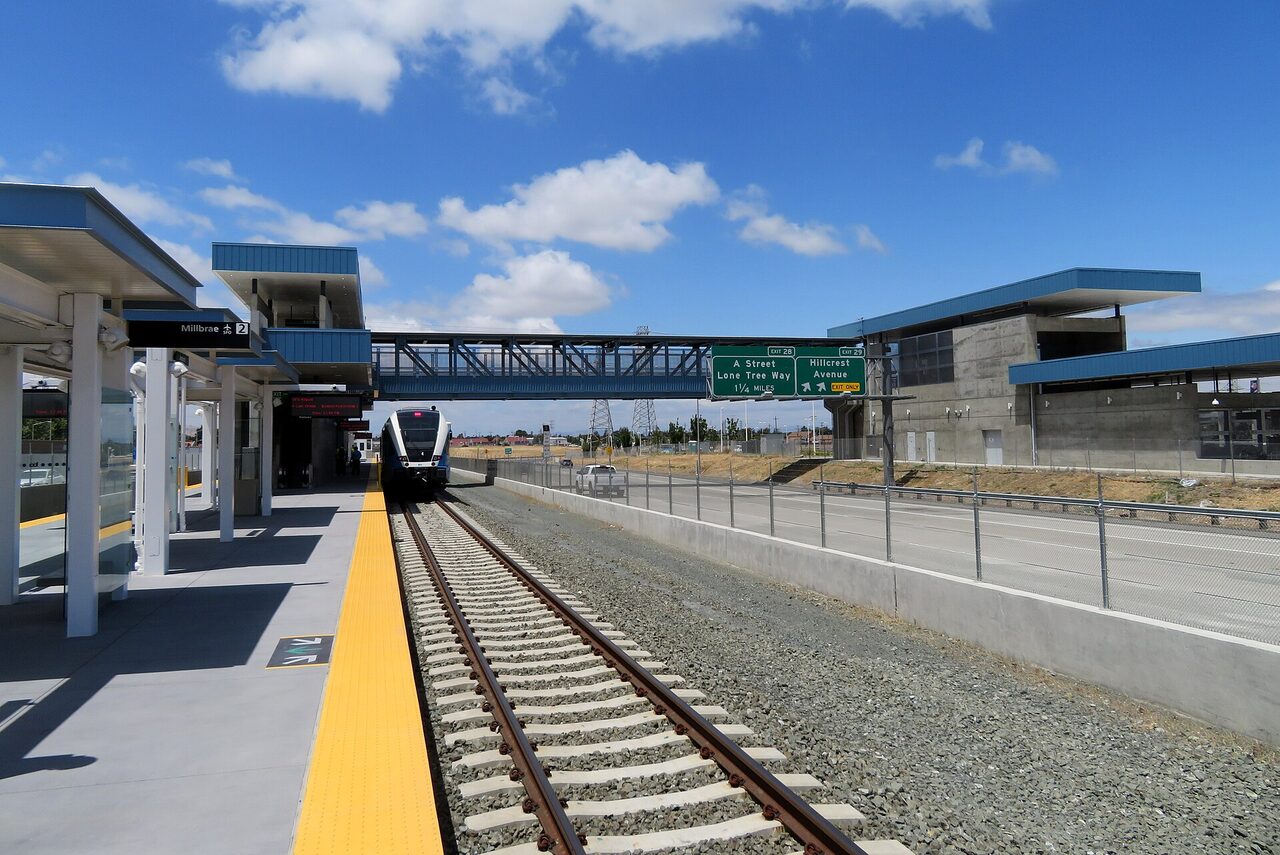
For San Francisco, the train is the easy choice: Antioch has a BART station, so the group can ride into the city together and skip downtown parking.
From BART's Embarcadero station, Pier 39 is along The Embarcadero, reached on foot, by the F-line streetcar or by rideshare. Leave more time than you think on a Saturday morning, and agree on a meeting point at the pier before the group splits up at the station.
For Point Reyes or Monterey, you need cars. Split the group across vehicles with the most comfortable seats for anyone who might feel seasick, and check traffic before you leave. Our guide to staying in Antioch to visit the Bay Area covers BART and driving in more detail.
Watching from shore at Point Reyes
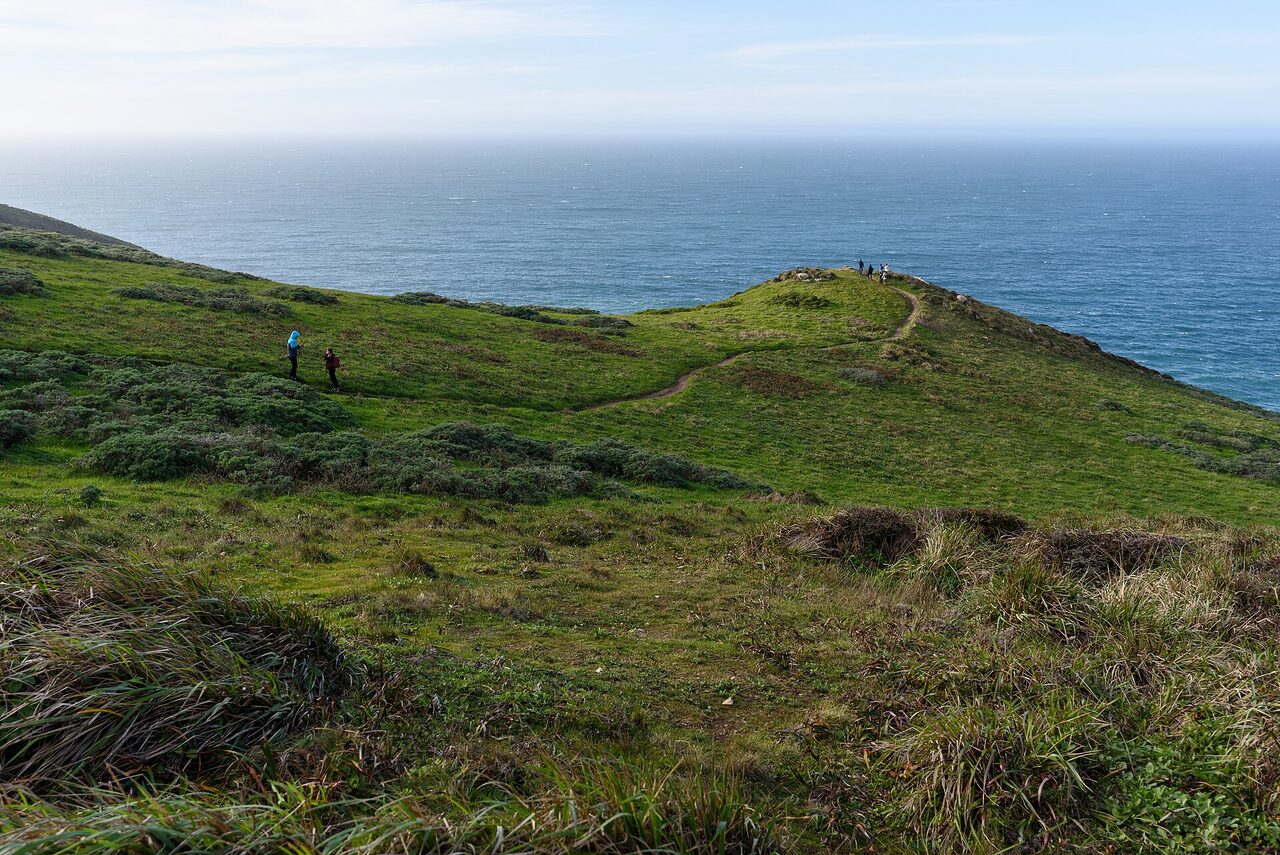
For free whale watching, the National Park Service points to the high ground at the far end of the Point Reyes peninsula, the Point Reyes Headlands.
The park names these spots:
- The Point Reyes Lighthouse. The lighthouse sits at the base of 313 stairs, so plan for the climb back up.
- The end of the Chimney Rock trail. The Elephant Seal Overlook is near Chimney Rock, and the park says hundreds of elephant seals return in winter to give birth and mate.
- The Tomales Point Trail, at the northern tip of the peninsula.
Height gives the best view of the water, and the park says conditions are best when there is little or no wind. On windy days whitecaps are hard to tell apart from spouts. Bring binoculars, and scan slowly for the puff of a spout rather than for the whale itself.
What to know before you go:
| Topic | What the park says |
|---|---|
| Pets | Prohibited at most of the best whale watching spots, including the lighthouse and Chimney Rock areas |
| Fees | Entrance fees may apply; check the park's fees page |
| Winter weather | Rain and drizzle can last for several days, with sunny, calm, cool stretches between storms |
| Spring weather | Expect wind and cool March temperatures |
Road access and visitor services on the headlands can change with weather and crowds in winter, so check the park's site for current conditions before you drive.
Seasickness and weather tips
Most of the comfort on a whale watching boat comes down to preparation: a preventative before you board, warm waterproof layers, and a calm day.
San Francisco Whale Tours highly recommends taking a seasickness preventative and asks anyone prone to seasickness to talk to a doctor about stronger medication. It also suggests warm, waterproof clothing, hats and gloves, food and water.
Practical habits that help on the water:
- Take the preventative early. Follow the label or your doctor's advice on timing, which usually means before you board, not once you feel unwell.
- Eat a light meal. A plain breakfast sits better than a heavy or greasy one.
- Stay outside and look at the horizon. Fresh air and a fixed point help many people.
- Sit low and near the middle of the boat, where the motion is smallest.
- Dress for wind and spray. It is colder on the water than on shore, so bring a hat, gloves and a waterproof outer layer.
- Check the forecast the night before. Trips can be cancelled for high winds or high seas, so have a backup plan for the day.
When you do see whales, give them room. NOAA Fisheries asks boaters to keep at least 100 yards away and to limit viewing to 30 minutes or less. The same advice applies to anyone in a private boat or kayak.
Make Antioch the base
A large home in Antioch gives a group one place to start early, dry off and eat together after a cold day on the coast.
Our Antioch 6-bedroom group home has room for the whole group, a kitchen for a warm dinner and parking for the cars. Pets are welcome, up to 3 with a $100 pet fee per stay, and service animals are always free. Since pets are not allowed at the park's best viewing spots, the house is the place for the dog on whale day.
For the rest of the week, see our Antioch in winter guide for sandhill cranes and regional parks, the Bay Area winter break with kids plan for museums and aquariums, and the San Francisco holiday day trip for the city in December. The Antioch destination page lists more.
When you book directly, our Check-in Promise applies: "If your group can't get into the home at check-in and we can't get you in within one hour of your call, we refund your first night."
The bottom line
Gray whales pass the Bay Area coast from December through May, and a group based in Antioch can see them two ways. Ride BART to Pier 39 for San Francisco Whale Tours' winter trip, or drive to Monterey for a year-round tour, with prices checked on the operator's site. For a free day, go to the Point Reyes Lighthouse or Chimney Rock on a calm morning with binoculars. Either way, take a seasickness preventative, dress warm and waterproof, and leave the dog at the house.
Frequently asked questions
When is gray whale season near the Bay Area?
The National Park Service says gray whales migrate past Point Reyes from December through May, with the migration best from January through April. It suggests December or January for the southbound migration and late April to early May for mothers and calves heading north.
Where is the closest whale watching boat to Antioch?
San Francisco Whale Tours departs from Pier 39 in San Francisco. Antioch has a BART station, so a group can ride to San Francisco without driving downtown.
How much is a whale watching tour from San Francisco in winter?
San Francisco Whale Tours lists Golden Gate Whale Watch and Beyond, its November to January tour, at $150 for adults 13 and up, $120 for children 3 to 12 and $130 for seniors, with sale prices of $80.25, $64.20 and $69.55 when we checked. Children 2 and under ride free. Check the current price when you book.
Can you see whales from shore near San Francisco?
Yes. The National Park Service names the Point Reyes Lighthouse, the end of the Chimney Rock trail and the Tomales Point Trail as the best spots, because height gives the best view of the water. Bring binoculars and pick a day with little wind.
Can we bring our dog whale watching at Point Reyes?
Not to the best spots. The park says pets are prohibited at most of the best whale watching locations, including the lighthouse and Chimney Rock areas. Leave the dog at the house for the day.
Will we definitely see a whale?
No. San Francisco Whale Tours says its route depends on where the wildlife is on the day, and neither operator in this guide posts a sighting guarantee on its tour page.
Sources
- NOAA Fisheries: gray whale
- National Park Service: things to do at Point Reyes
- National Park Service: whale watching at Point Reyes
- Point Reyes National Seashore: whale watching
- San Francisco Whale Tours: Golden Gate Whale Watch and Beyond
- San Francisco Whale Tours: tours
- Monterey Bay Whale Watch: tours and prices