
Quick answer
Choose a corporate retreat venue by starting from the goal and the headcount. For a team of about 6 to 15 working on strategy or team-building, a large private home keeps everyone together, with shared meals and quiet rooms. For 30 or more people, or a training-heavy agenda, a hotel or conference center has the meeting rooms and catering. Then check the room, Wi-Fi, beds and travel time before you sign.
Key takeaways
- Pick the venue from the goal: strategy and team-building suit a private house; training and big groups suit a hotel or conference center.
- For teams of about 6 to 15, a large rental home often costs less than hotel rooms plus a meeting room, and keeps everyone together.
- Check four things before you sign: a quiet room big enough for the whole team, reliable Wi-Fi, a bed for everyone and travel time from the airport.
- Plan no more than two working sessions a day, and leave time for meals and something unstructured.
- Keep itemized receipts. Business meals are generally 50% deductible, and lodging for a business trip is generally deductible; ask your accountant.
In this guide
Start with the goal, not the venue
A retreat exists to do something the office cannot: make a hard decision, reset how a team works, or build trust between people who rarely meet. Write the goal down in one sentence before you look at venues. It decides almost everything else.
| Retreat goal | What the venue needs | Good fit |
|---|---|---|
| Strategy or planning | Privacy, a quiet room, a whiteboard, long sessions | Private house or small retreat center |
| Team-building and trust | Shared meals, informal space, things to do together | Private house or resort |
| Training or workshops | Classroom setup, projector, breakout rooms | Hotel or conference center |
| Company-wide kickoff | Ballroom, stage, audio-visual crew | Hotel or conference center |
| Celebration or reward trip | Leisure, food, activities | Resort or a house in a destination |
Research on offsites published in Harvard Business Review points the same way: the retreats that pay off are planned around clear objectives, with participants prepared before they arrive and a follow-up to track what changed.
The four venue types compared
| Hotel or conference center | Resort | Retreat center | Private rental home | |
|---|---|---|---|---|
| Group size | Any, including 100+ | 20 to 200+ | 10 to 60 | About 6 to 15 |
| Meeting space | Rented by the room and day | Rented, often with packages | Included | The living and dining rooms |
| Privacy | Shared with other guests | Shared | Usually private | Fully private |
| Meals | Catering menus, minimums | Restaurants and catering | Often included | Cook together, hire a chef or cater |
| Evenings | Hotel bar | Resort activities | Quiet | Around the table or fire pit |
| Cost drivers | Room nights, food and beverage minimums | Resort fees, packages | Per-person packages | One price for the house |

Why a private house works for small teams
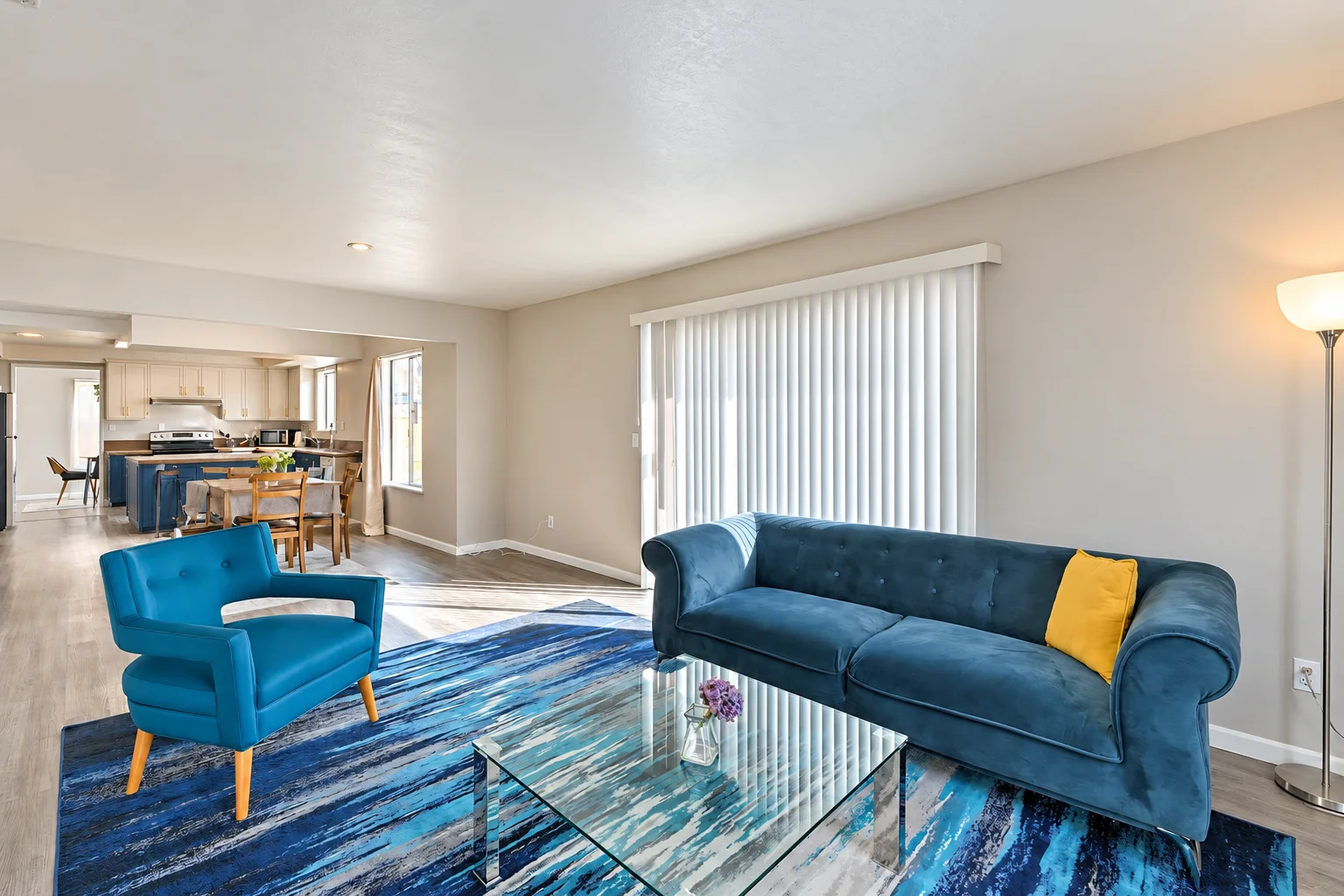
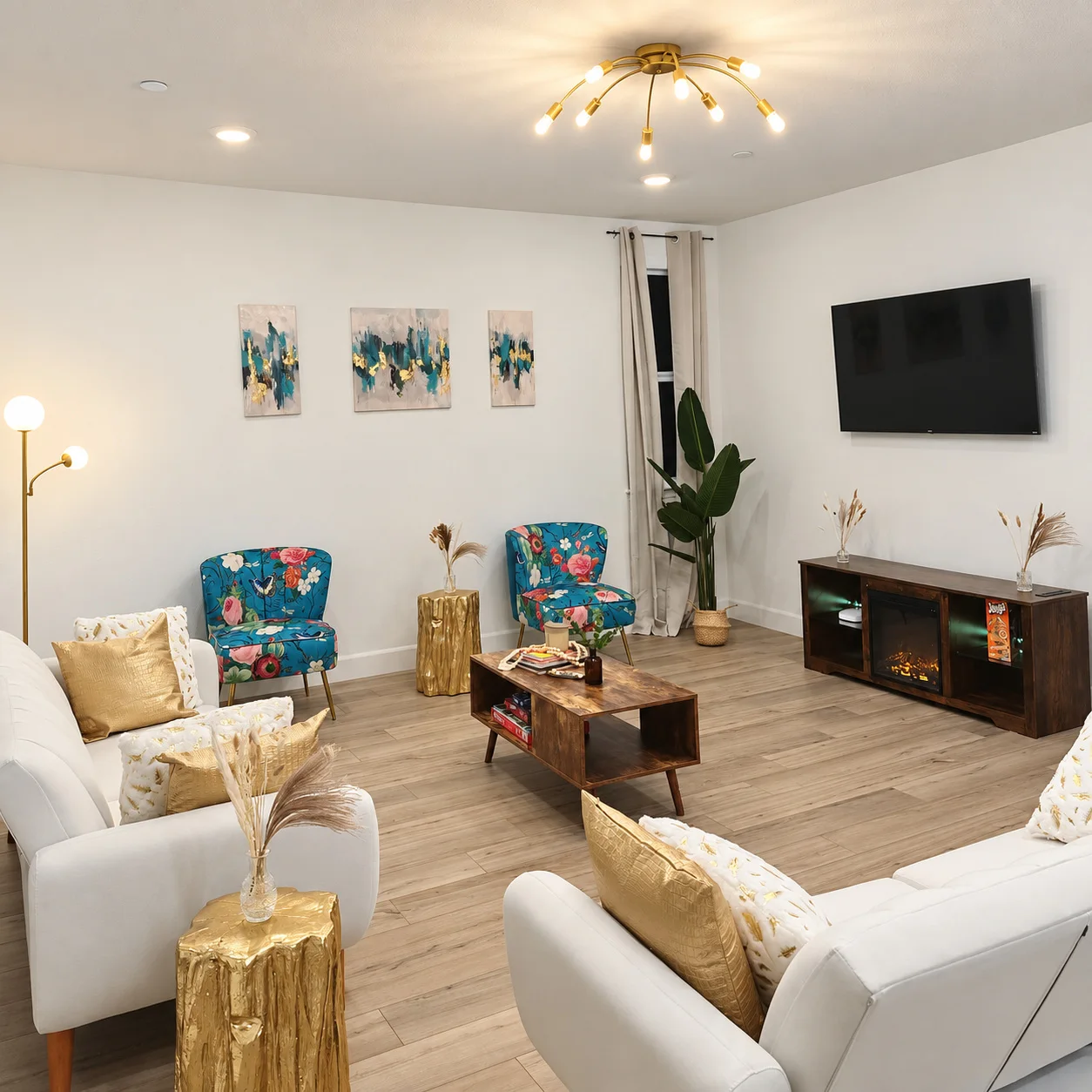
For a small team, most of a retreat's value happens outside the formal sessions: over breakfast, on a walk, at dinner. A house is built for that. Everyone stays under one roof, the kitchen and dining table become the meeting room between sessions, and there is no hotel lobby to lose people in.
The venue checklist
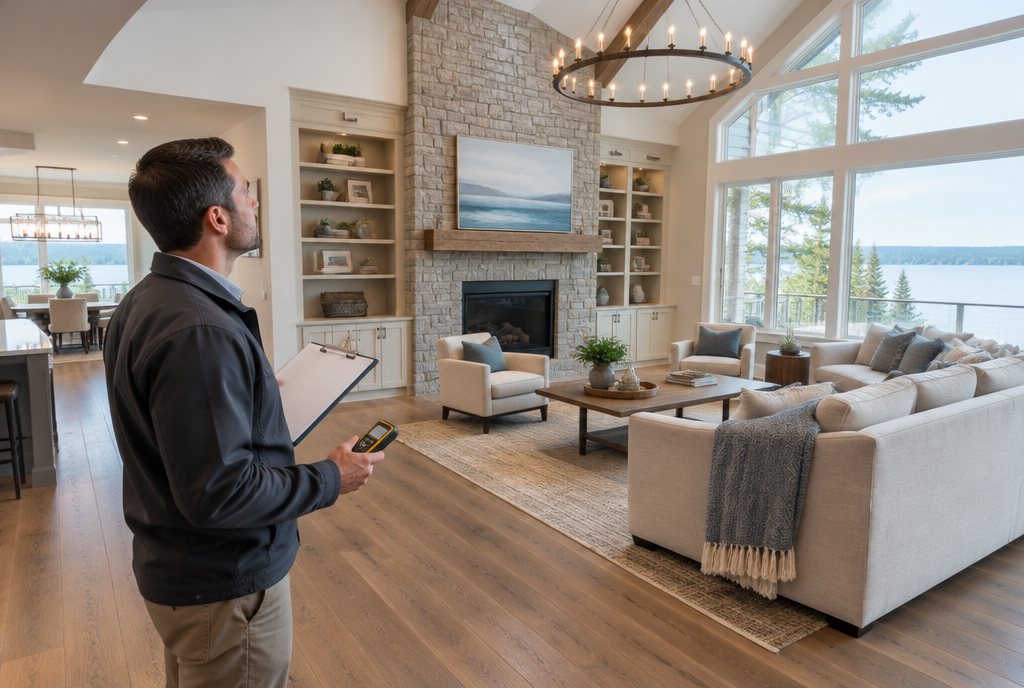
- A room that seats everyone facing each other. A living room or a long dining table for the whole group, plus one or two quieter corners for breakouts.
- Wi-Fi and power. Ask for the internet speed, and check there are outlets near the meeting area. Bring a power strip.
- A screen or wall. A TV with an HDMI input, or a blank wall for a portable projector, and an easel or whiteboard.
- A bed for everyone. Decide early who shares and who needs a private room. Senior leaders sharing a bathroom can change the mood.
- Travel time. Under about 45 minutes from the airport keeps the first and last days productive.
- Food. Can you bring in a caterer or private chef? Is the kitchen big enough for a team to cook one meal together?
- Accessibility. Check stairs, ground-floor bedrooms and bathrooms if anyone needs them.
- Rules. Confirm the home allows your group size and visitors, such as a facilitator who is not staying over.
Plan the agenda around the venue
| Time | Day 1 | Day 2 | Day 3 |
|---|---|---|---|
| Morning | Travel and arrive | Working session 1 | Working session 3: decisions and owners |
| Midday | Lunch together | Lunch together | Lunch and depart |
| Afternoon | Opening session: goals for the trip | Working session 2, then free time | |
| Evening | Team dinner at the house | Dinner out or a cooked meal |
Keep it to two working sessions a day. Teams that pack every hour leave tired, and the conversations that matter most often happen in the gaps. If the goal is hard decisions, consider an outside facilitator who can keep the room honest. Our guide on how to plan a team offsite in a vacation rental has a fuller agenda and packing list.
Budget and receipts
| Cost | Notes |
|---|---|
| Travel | Usually the largest cost for a distributed team. Choose a location near a major airport |
| Lodging | One price for a house, or room nights for a hotel |
| Meeting space | Included in a house; rented in a hotel |
| Food | Catering or a private chef for some meals, cooking or dining out for others |
| Facilitator | Optional; worth it for strategy or conflict |
| Activities | Keep one or two; the free time matters too |
Common mistakes
- Choosing the venue before the goal. A beautiful resort can still be the wrong place for a hard strategy conversation.
- Too many people for the room. If the team cannot sit facing each other, the discussion turns into a presentation.
- An agenda with no gaps. Leave time for walks, meals and rest.
- Remote venue, long travel. Two extra hours of driving each way eats a half day.
- No follow-up. Decide before you leave who owns each decision and when the team will check progress.
Retreat-ready homes
JekkyStay homes have five to seven bedrooms, big kitchens and dining tables that seat the whole group, near Houston, Sacramento, Orlando and Lake Anna. See our team retreats page, browse all stays, or read the Houston team offsite guide.
The bottom line
Pick a retreat venue by goal and headcount. Small teams working on strategy and trust get the most from a private house where they live, eat and work together; large groups and training agendas need a hotel or conference center. Check the meeting room, Wi-Fi, beds and travel time, keep the agenda light, and keep itemized receipts.
Frequently asked questions
What is the best type of venue for a corporate retreat?
It depends on the size and the goal. For a leadership or small-team retreat focused on strategy and trust, a private house gives privacy and shared space. For 30 or more people, or a training-heavy agenda, a hotel or conference center has the meeting rooms, audio-visual support and catering.
How far in advance should we book a retreat venue?
Three to six months is common for small teams, and longer for large groups or peak dates. Large rental homes and popular retreat centers book early for spring and fall weekdays.
Can a vacation rental work for a company offsite?
Yes, for small and mid-size teams. Look for a large dining table or living room that seats everyone, strong Wi-Fi, a bedroom for each person or pair, and enough parking. Confirm the home allows the group size and that you can have a caterer or chef in.
How much does a corporate retreat cost per person?
It varies widely with location, travel and food. The biggest costs are usually flights, lodging and meals. A house shared by the team often lowers the lodging cost per person compared with individual hotel rooms.
Are corporate retreat expenses tax deductible?
Generally, business travel and lodging for a primarily business retreat are deductible, and business meals are generally 50% deductible, with some exceptions for events open to all employees. Entertainment is generally not deductible. Keep itemized receipts and ask your tax adviser.